
Plant of the month June - Hydrangea
Hydrangeas are among the most beloved flowering shrubs in home gardens, admired for their large, colourful blooms and lush foliage. These versatile plants can brighten borders, foundation plantings, containers, and cottage gardens with flowers that bloom from spring through late summer. Available in shades of blue, pink, white, purple, and green, hydrangeas add elegance and long-lasting beauty to landscapes of all sizes.
What Is a Hydrangea?
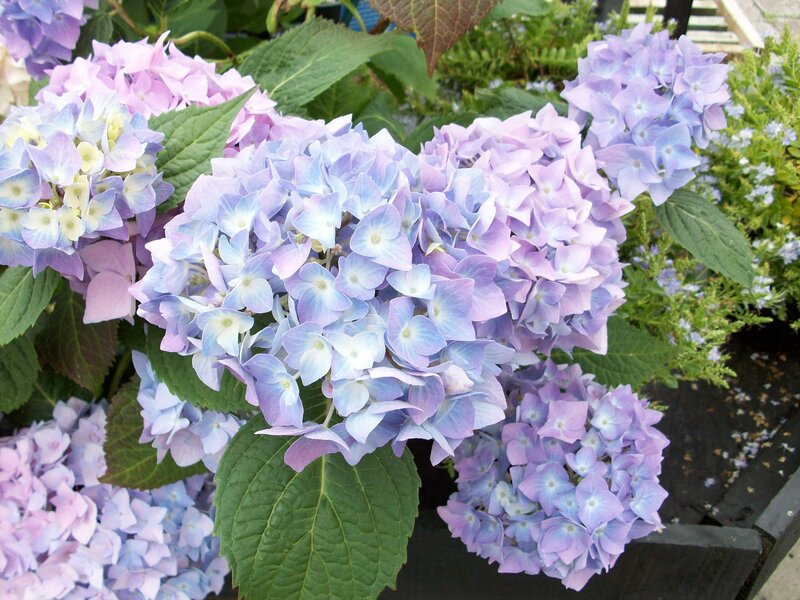
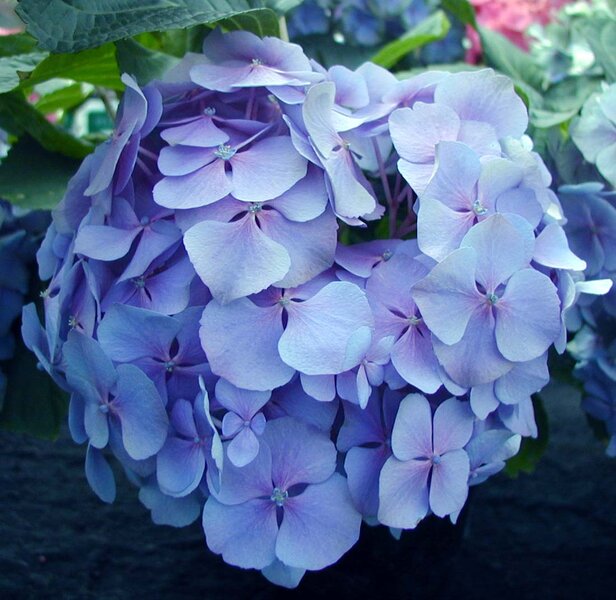
Hydrangea is a genus of flowering shrubs native to Asia and the Americas. Hydrangeas are best known for their large flower heads, which can be mophead, lacecap, panicle, or oakleaf in shape depending on the species. One of their most fascinating characteristics is the ability of some varieties to change flower colour based on soil pH. Acidic soil often produces blue flowers, while alkaline soil creates pink blooms.
Hydrangeas thrive in temperate climates and are popular for their low-maintenance nature and dramatic visual appeal. They can be grown as shrubs, climbing vines, or even small trees depending on the variety.
Popular Varieties of Hydrangea
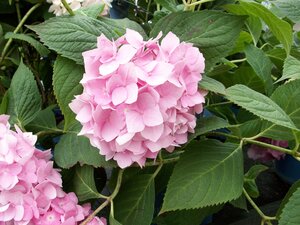
Big leaf Hydrangea- Hydrangea macrophylla is the classic hydrangea known for large mophead or lacecap blooms. It is famous for changing flower coluor based on soil acidity.
Best for: Cottage gardens, borders, containers
Bloom colors: Blue, pink, purple
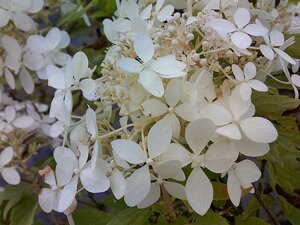
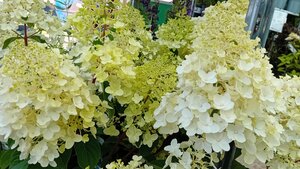
Panicle Hydrangea- Hydrangea paniculata produces cone-shaped flower clusters and is one of the hardiest hydrangea types.
Best for: Colder climates, hedges, full sun
Bloom colors: White aging to pink
Oakleaf Hydrangea- Hydrangea quercifolia features oak-shaped leaves with beautiful autumn colour and creamy white flower spikes.
Best for: Woodland gardens, shade gardens
Special feature: Stunning autumn foliage
Smooth Hydrangea - Hydrangea arborescens is known for its large white blooms and excellent cold tolerance.
Best for: Naturalized gardens, low-maintenance landscapes
Recommended Hydrangea Varieties
Teller’s Blue
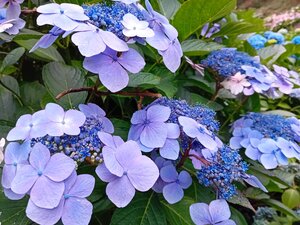
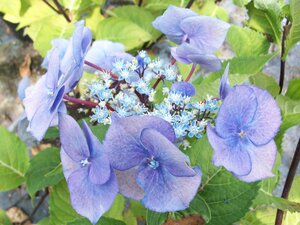
Teller's Blue Hydrangea is a striking lacecap hydrangea variety known for its vivid blue flower centres surrounded by delicate outer florets.
Highlights:
- Elegant lacecap blooms
- Thrives in partial shade
- Excellent for cottage gardens
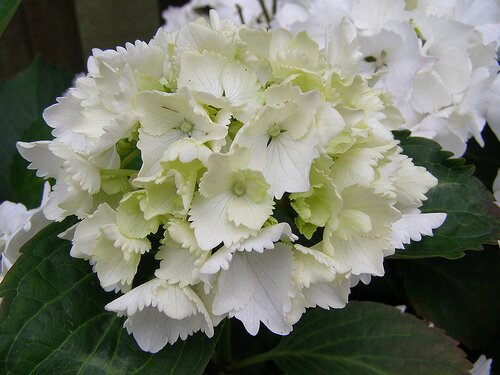
Emile Mouillere
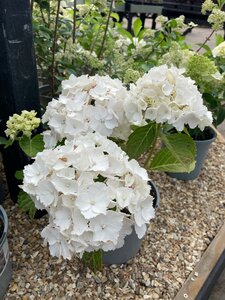
Emile Mouillere Hydrangea is a graceful variety featuring pure white lacecap flowers that can develop subtle pink or blue tints depending on soil conditions.
Highlights:
- Elegant white blooms
- Long flowering season
- Great for shaded garden areas
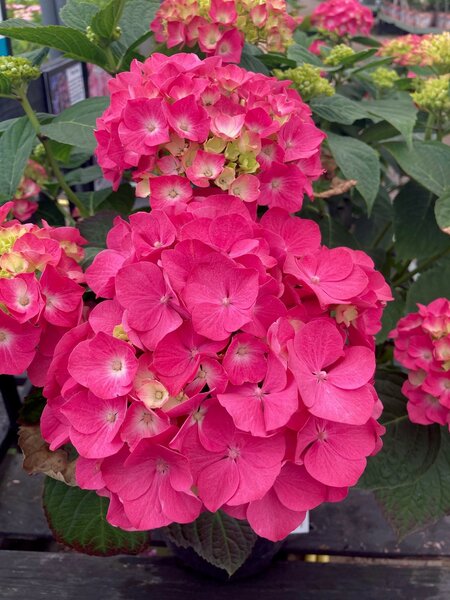
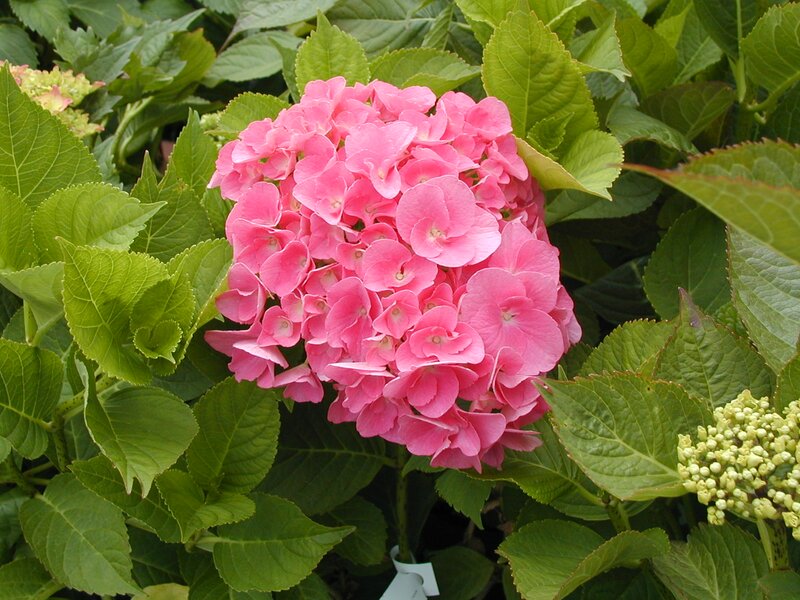
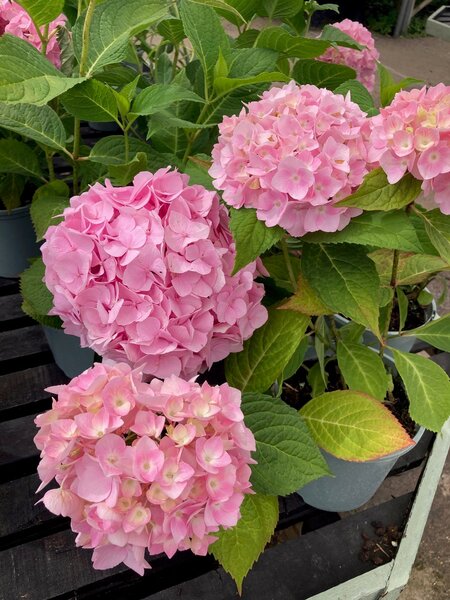
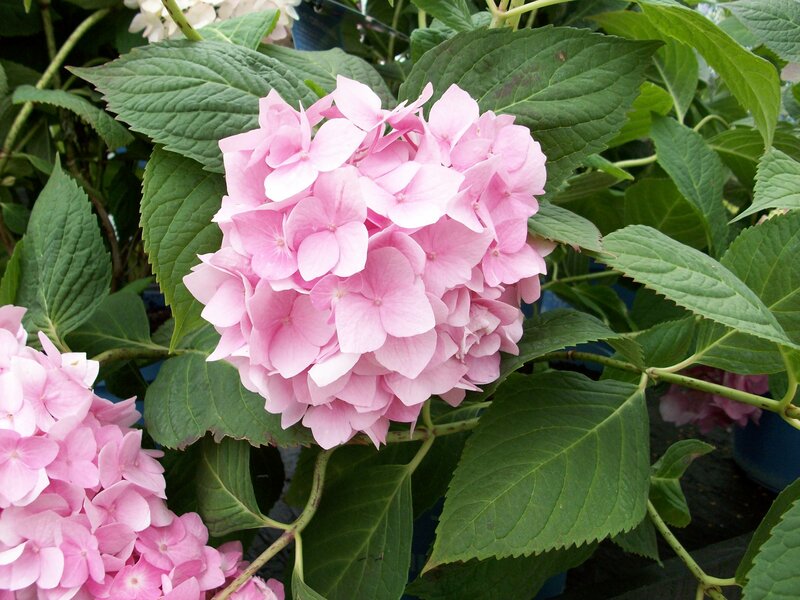
Summer Pink
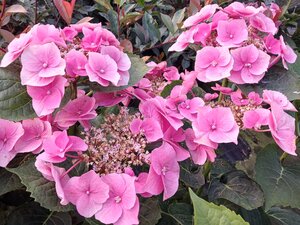
Summer Pink Hydrangea produces vibrant pink mophead flowers that brighten garden beds and borders throughout summer.
Highlights:
- Rich pink blooms
- Compact growth habit
- Ideal for borders and containers
Growing Tips for Hydrangea
1. Choose the Right Location
Most hydrangeas prefer morning sun with afternoon shade. Too much direct afternoon sunlight can scorch leaves and flowers, especially in warmer climates.
- Bigleaf hydrangeas: Partial shade
- Panicle hydrangeas: More sun tolerant
- Oakleaf hydrangeas: Thrive in filtered shade
2. Plant in Rich, Well-Draining Soil
Hydrangeas prefer moist, fertile soil rich in organic matter. Good drainage is essential to prevent root rot.
Soil pH and Flower Colour
For bigleaf hydrangeas:
- Acidic soil = blue flowers
- Alkaline soil = pink flowers
Adding aluminum sulfate can encourage blue blooms, while garden lime can encourage pink blooms.
3. Water Consistently
Hydrangeas require regular watering, especially during hot weather.
Watering tips:
- Water deeply 1–2 times per week
- Mulch around the base to retain moisture
- Avoid overhead watering to reduce disease
4. Fertilise Carefully
Use a balanced slow-release fertilizer in spring. Avoid over-fertilizing, which can produce excessive leaves with fewer flowers.
How to Care for Hydrangeas
Pruning
Pruning depends on the hydrangea type.
Hydrangeas That Bloom on Old Wood Examples:
- Bigleaf hydrangeas
- Oakleaf hydrangeas
Prune immediately after flowering because buds for next year form on old stems.
Hydrangeas That Bloom on New Wood Examples:
- Panicle hydrangeas
- Smooth hydrangeas
These can be pruned in late winter or early spring before new growth begins.
Winter Protection
In colder climates:
- Add mulch around the base
- Protect flower buds from freezing winds
- Cover sensitive varieties with burlap if necessary
Pest and Disease Prevention
Hydrangeas are relatively trouble-free but may occasionally experience:
- Powdery mildew
- Aphids
- Leaf spot
- Spider mites
Good air circulation and proper watering practices help prevent most issues.
Varieties Sold at Thompson's
Hydrangeas are rewarding shrubs that offer spectacular blooms, attractive foliage, and relatively easy care. With the right location, proper watering, and occasional pruning, these plants can thrive for many years. Whether you choose the elegant blue lacecaps of Teller's Blue Hydrangea or the soft white blooms of Emile Mouillere Hydrangea, hydrangeas bring timeless beauty and charm to any garden space.