
Best Houseplants for Bedrooms
Adding houseplants to your bedroom is an easy way to bring colour, texture and natural interest into your home. From tall, architectural plants to trailing varieties that look great on shelves, there are plenty of options to choose from.
The best houseplants for bedrooms are generally those that can cope with typical indoor conditions, including lower light levels and relatively stable temperatures. However, every bedroom is different, so it is important to choose a plant that suits the amount of natural light and space available.
Whether you are an experienced houseplant owner or are looking for your first indoor plant, here are some of our favourite plants for bedrooms.
What Are the Best Houseplants for Bedrooms?
Some of the best bedroom houseplants include Snake Plants, ZZ Plants, Peace Lilies, Spider Plants, Parlour Palms and Golden Pothos. These varieties offer a mixture of attractive foliage, different shapes and sizes, and relatively straightforward care requirements.
When choosing a plant for your bedroom, consider how much natural light the room receives, how much space you have and how frequently you are likely to water it.
Snake Plant
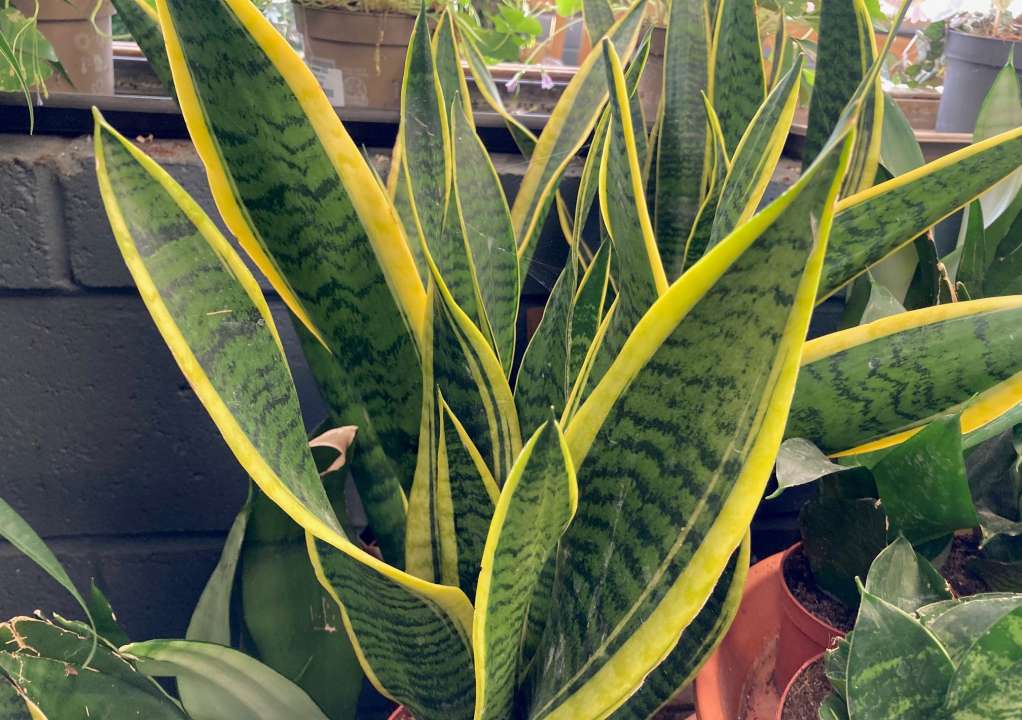
Also known as Mother-in-Law's Tongue, the Snake Plant is one of the most popular choices for bedrooms.
Its tall, upright leaves give it a striking architectural appearance, while different varieties feature green, yellow and patterned foliage. Snake Plants are also tolerant of lower light levels, although they will generally grow more strongly in brighter, indirect light.
Another advantage is that they do not require frequent watering. Their thick leaves help them retain water, so it is important to allow the compost to dry between waterings.
Care tip: Avoid overwatering your Snake Plant and make sure excess water can drain away freely.
Ideal for: Beginners, smaller bedrooms and rooms with lower light levels.
ZZ Plant
If you are looking for an easy-care bedroom plant, the ZZ Plants is well worth considering.
Its glossy green leaves grow from upright stems, giving it a neat and contemporary appearance. ZZ Plants are tolerant of lower light conditions and can cope with periods without watering, making them particularly useful for anyone who does not have a regular plant-care routine.
They store water in their thick underground rhizomes, so overwatering is a greater concern than underwatering.
Care tip: Allow the compost to dry out between waterings and never leave the plant sitting in excess water.
Ideal for: Beginners, busy households and darker bedrooms.
Peace Lily
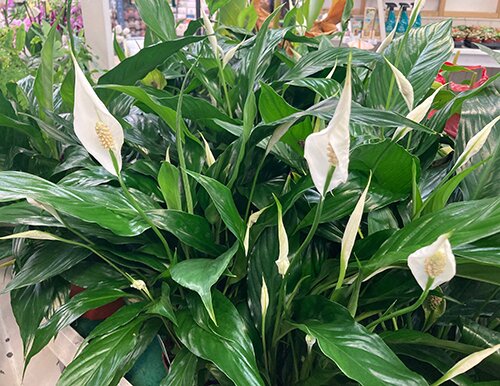
For a bedroom plant with attractive flowers as well as foliage, consider a Peace Lily.
Peace Lilies have glossy green leaves and distinctive white flowers, providing plenty of visual interest throughout the year. They can tolerate lower light levels, although brighter, indirect light will encourage better flowering.
They prefer their compost to remain lightly moist, so they generally need watering more frequently than drought-tolerant plants such as Snake Plants and ZZ Plants.
Care tip: Keep your Peace Lily away from cold draughts and hot radiators, and water when the surface of the compost begins to dry.
Ideal for: Adding flowers and lush foliage to bedrooms.
Spider Plant
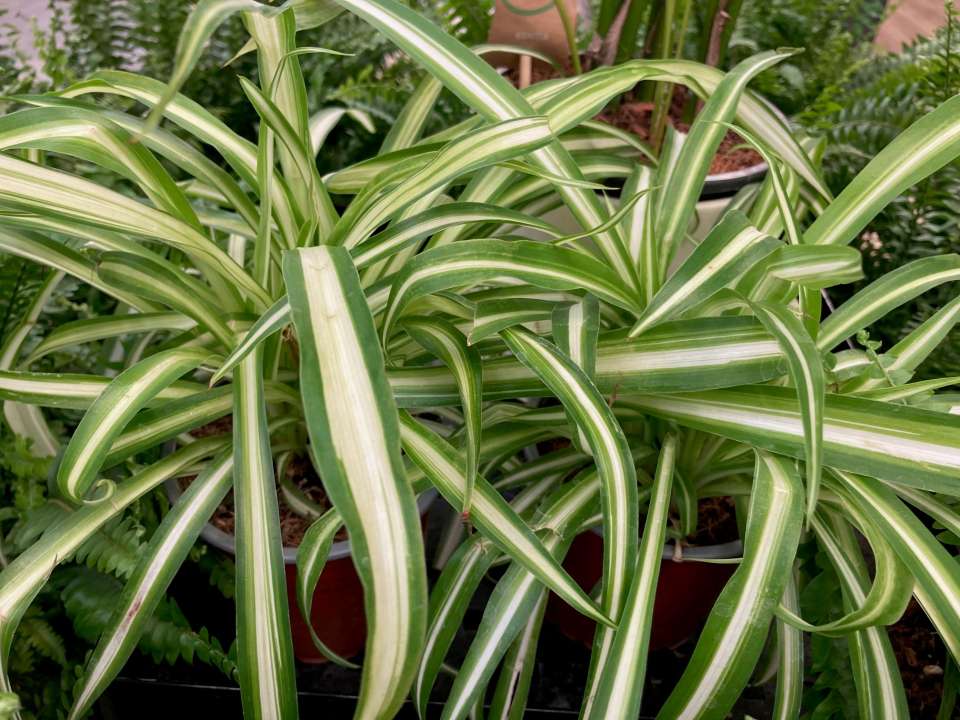
The Spider Plant is a classic houseplant and a particularly good choice if you are new to growing plants indoors.
Its long, arching leaves look attractive in pots on shelves, bedside tables or plant stands. Mature plants can also produce long stems carrying small plantlets, giving the plant its familiar 'spider' appearance.
Spider Plants are adaptable and can cope with a variety of indoor conditions. They prefer bright, indirect light but can tolerate lower light levels.
Care tip: Allow the surface of the compost to dry slightly before watering again.
Ideal for: Shelves, bedside tables and hanging planters.
Parlour Palm
The Parlour Palm is a lovely option if you want to create a softer, more tropical feel in your bedroom.
Its delicate, arching fronds provide plenty of texture without creating an overly bulky appearance. It is also relatively tolerant of lower light levels, making it suitable for bedrooms that do not receive strong sunlight.
As with many houseplants, avoid placing your Parlour Palm directly beside a radiator or other source of dry heat.
Care tip: Keep the compost reasonably moist but avoid waterlogging, and provide bright, indirect light where possible.
Ideal for: Adding height and a tropical feel to bedrooms.
Golden Pothos
For shelves, bookcases and hanging pots, Golden Pothos is an excellent trailing houseplant.
It produces attractive, heart-shaped leaves with golden-green variegation and can be allowed to trail naturally or trained around a support.
Golden Pothos is relatively tolerant of lower light, although brighter, indirect light will help it retain its variegated colouring.
Care tip: Allow the compost to dry slightly between waterings and avoid strong, direct sunlight.
Ideal for: Shelves, hanging planters and making use of vertical space.
How to Choose a Bedroom Plant
The best bedroom plant for you will depend largely on the conditions in your room. Before choosing a plant, consider the following.
How Much Natural Light Does Your Bedroom Get?
Light is one of the most important factors when choosing a houseplant. A bright bedroom with plenty of indirect sunlight will offer different growing conditions from a darker room with a north-facing window.
Plants described as tolerant of low light still need some natural light to grow. If your bedroom receives very little daylight, consider moving plants closer to the window or supplementing natural light with suitable grow lighting.
How Much Space Do You Have?
Think about where your new plant will live before choosing a variety.
Tall plants such as Snake Plants can make use of otherwise unused floor space, while trailing varieties such as Golden Pothos are ideal for shelves and hanging planters.
For smaller bedrooms, compact plants can add greenery without taking up valuable space.
How Often Do You Want to Water?
If you sometimes forget to water your plants, choose a more drought-tolerant variety such as a Snake Plant or ZZ Plant.
Plants with thinner leaves generally require more regular watering, although you should always check the moisture level of the compost before watering rather than following a rigid schedule.
For more advice, see our houseplant care guide.
Is Your Bedroom Near a Radiator?
Most houseplants prefer relatively stable conditions. Try not to position plants directly beside radiators, heaters or draughty windows, as extremes of temperature and dry air can cause problems.
Are Houseplants Good for Bedrooms?
Houseplants can make bedrooms feel more welcoming and bring natural colour and texture into the space. They can also be an enjoyable part of creating a relaxing indoor environment.
You may have heard that certain houseplants can dramatically improve bedroom air quality. While plants can interact with indoor air, research suggests that the number of plants and conditions required to produce significant air-cleaning effects in a typical home are much greater than many popular claims suggest.
It is therefore best to choose bedroom plants because you enjoy their appearance and the experience of caring for them, rather than relying on them as a replacement for good ventilation.
Caring for Your Bedroom Houseplants
Once you have chosen the right plant, a few simple care habits can help it stay healthy.
- Check the compost before watering. Avoid watering automatically if the soil is still moist.
- Make sure your pot has drainage holes. Excess water around the roots can lead to problems.
- Dust the leaves occasionally. Clean foliage can help keep your plants looking their best.
- Rotate your plants. Turning the pot occasionally can encourage more even growth.
- Check for pests. Look underneath leaves and around stems when watering or tending to your plants.
- Feed during the growing season. Many houseplants benefit from an appropriate houseplant fertiliser during spring and summer.
For more information, take a look at our houseplant care and maintenance advice.
Which Bedroom Plant Is Right for You?
There is no single best plant for every bedroom. The right choice depends on your room's light levels, available space and how much time you want to spend looking after your plants.
For an easy-care option, a Snake Plant or ZZ Plant could be a good place to start. If you want flowers, a Peace Lily can add extra interest, while Spider Plants and Golden Pothos are excellent choices for shelves and hanging planters. For a softer, more tropical look, consider a Parlour Palm.
With the right plant in the right position, you can add a little extra greenery to your bedroom and enjoy your houseplants throughout the year.
Best Houseplants for Bathrooms
Best Houseplants for Beginners