
Epipremnum

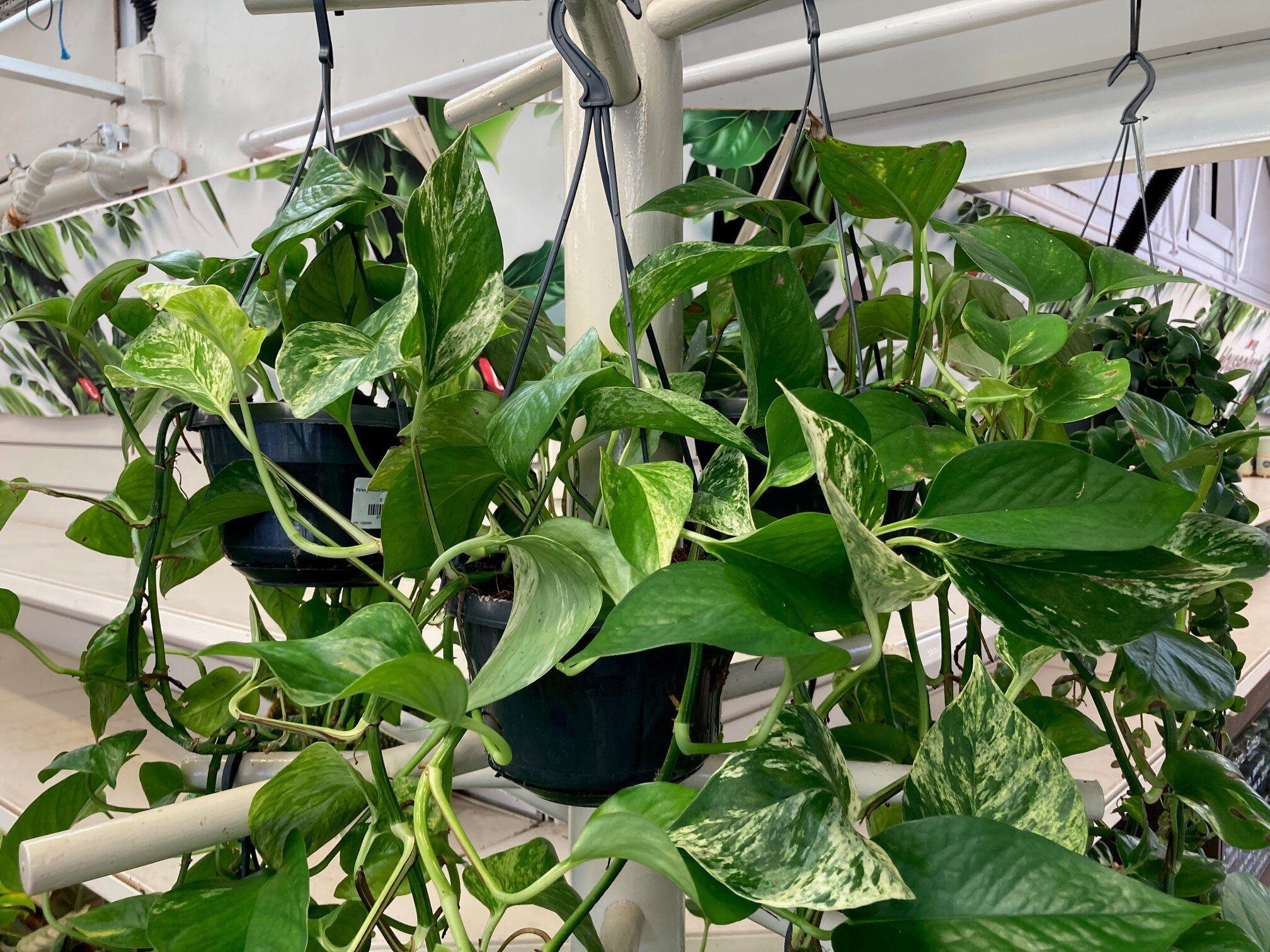
Short description
Commonly known as Devil's Ivy or Pothos, is a popular, easy-care houseplant with trailing or climbing stems and attractive heart-shaped leaves. It's a great choice for shelves, plant stands or allowing the stems to trail down.
- Weekday Collection from 4 different locations
- Order by 5 pm for next day collection
- Family-owned since 1977
- Locally grown plants from our very own nurseries
Epipremnum

Short description
Commonly known as Devil's Ivy or Pothos, is a popular, easy-care houseplant with trailing or climbing stems and attractive heart-shaped leaves. It's a great choice for shelves, plant stands or allowing the stems to trail down.
- Weekday Collection from 4 different locations
- Order by 5 pm for next day collection
- Family-owned since 1977
- Locally grown plants from our very own nurseries
Epipremnum (Devil's Ivy)
Epipremnum, commonly known as Devil's Ivy or Pothos, is a popular, easy-care houseplant with trailing or climbing stems and attractive heart-shaped leaves. It's a great choice for shelves, plant stands or allowing the stems to trail down.
Where to position
Choose a bright to medium-light position with indirect light. Epipremnum can tolerate lower light, although growth may be slower and variegated varieties can lose some of their markings.
Avoid strong, direct sunlight, which can scorch the leaves.
Watering
- Allow the top of the compost to dry out between waterings.
- Check the compost before watering.
- Water thoroughly and allow excess water to drain away.
- Don't leave the plant sitting in water.
- Reduce watering during the cooler, darker months.
Top watering tip: Epipremnum is fairly forgiving if you forget to water occasionally, but it won't appreciate being kept constantly wet.
Temperature & humidity
Epipremnum prefers warm indoor temperatures and moderate humidity.
Keep away from cold draughts and radiators. It generally copes well with normal household humidity but will appreciate some extra humidity in particularly dry conditions.
Feeding & repotting
Feed every few weeks during spring and summer with a balanced houseplant feed.
Repot when the roots become crowded, using a good-quality, free-draining houseplant compost. You can also trim back long stems to encourage fuller growth.
Common problems
Yellow leaves
Often caused by overwatering or poor drainage. Allow the compost to dry between waterings.
Brown or crispy leaf edges
Can be caused by underwatering, dry air or too much direct sunlight.
Loss of variegation
Variegated varieties may produce greener leaves when light levels are too low. Move to a brighter position with indirect light.
Long, sparse growth
Usually a sign of insufficient light. Move the plant somewhere brighter and trim back leggy stems if needed.
Top tips
- Bright, indirect light helps maintain healthy growth and variegated markings.
- Don't overwater: Let the compost dry between waterings.
- Trim regularly: Pruning encourages a fuller, bushier plant.
- Give it something to climb: A moss pole or support can encourage larger leaves and climbing growth.
- Rotate the pot occasionally for more even growth.
Pet & child safety
Epipremnum is toxic if chewed or eaten, particularly to cats and dogs. Keep it away from pets and children and discourage chewing on the leaves.
-
EAN code9000038560
- Brand
Collect your Order from one of our sites!
Order and pay online and select the day you would like to collect your order from one of our four sites.
Local deliveries available, please order and pay online for delivery within 5 working days. See our terms & conditions.