
Winter Gardening Tips
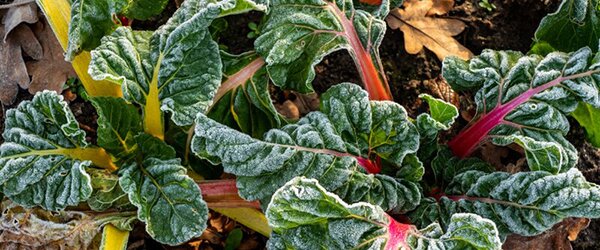
Winter may seem like a quiet time in the garden, but the colder months offer plenty of opportunities to care for your outdoor space and prepare for the year ahead. With a little attention and smart planning, you can protect vulnerable plants, encourage wildlife, and set yourself up for a thriving spring. Here are some practical winter gardening tips for.
1. Protect Tender Plants
Frost and icy winds can damage delicate plants. Use fleece, cloches, or mulch to insulate tender shrubs and perennials. Move pots of vulnerable plants—like citrus or pelargoniums—into a greenhouse, porch, or sheltered spot against a south-facing wall.
2. Make the Most of Winter Pruning
Many deciduous trees and shrubs are best pruned during their dormant period. Winter is ideal for shaping fruit trees (like apple and pear) and removing dead or crossing branches. Avoid pruning stone fruit such as cherries or plums in winter, as this can encourage disease. Read our pruning guides
3. Keep Paths and Lawns Safe
Wet, icy conditions make garden surfaces slippery. Clear leaves and debris from paths, and avoid walking on frozen or waterlogged lawns, as this can damage the grass and lead to compaction.
4. Look After Wildlife
Food is scarce in winter, so consider putting out bird feeders with seeds, suet, and fresh water. Avoid tidying every corner of the garden—leaf piles and hollow stems provide essential shelter for insects and hibernating creatures.
5. Prepare the Soil for Spring
Winter is a great time to enrich soil. Spread compost, well-rotted manure, or leaf mould over garden beds; it will slowly break down and improve soil structure by spring. There’s no need to dig—let the worms do the hard work for you.
6. Plan and Order Seeds
Dark winter evenings are perfect for planning next year’s planting. Decide which vegetables, annuals, or perennials you’d like to grow and order your seeds early. Many gardeners start sowing hardy plants like sweet peas or chillies in late winter.
7. Check on Stored Produce
If you’re storing crops such as potatoes, onions, or squash, check them regularly and remove anything showing signs of rot. Good airflow and cool, dark conditions will keep them fresher for longer.
8. Tidy—But Not Too Much
Cut back dead growth from perennials if needed, but leave seed heads on plants like teasels and echinacea; they provide food for birds and visual interest in the winter garden.
Winter may be the quietest season, but it plays a vital role in setting the stage for spring growth. With a few simple tasks and a little care, you can keep your garden healthy and full of life throughout December, January, and February.