
Autumn Gardening Tips
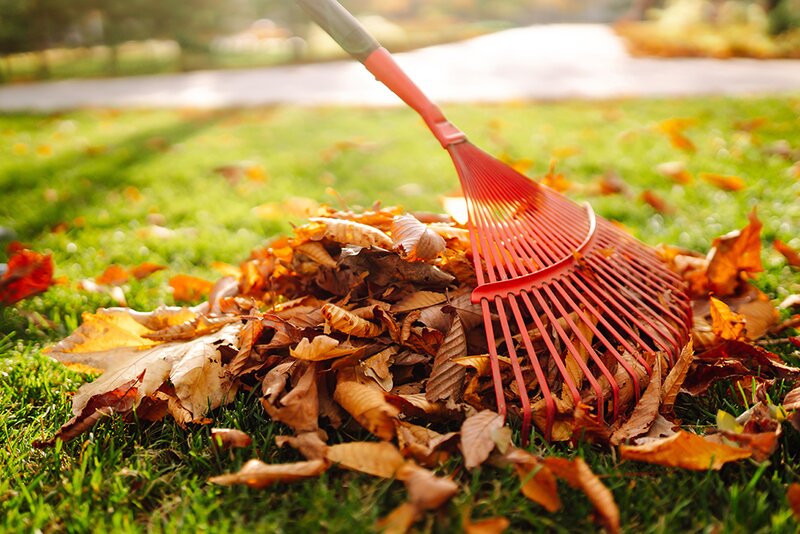
Autumn is a season of transition, when gardens shift from the bright energy of summer to the calmer, earthy tones of winter. It’s also one of the most important times of year for gardeners. The work you do now—clearing, planting, and preparing—will set the foundation for a healthy, vibrant garden next spring. Here are some essential autumn gardening tips.
1. Tidy Up — But Leave Some for Wildlife
Clear away spent annuals, fallen leaves on lawns, and any diseased plant material. However, leave some seed heads, hollow stems, and leaf piles in borders to support insects, birds, and other wildlife as they prepare for winter.
2. Plant Spring Bulbs
Autumn is the prime season for planting spring-flowering bulbs such as daffodils, tulips, crocuses, and hyacinths. Plant them at about three times their depth in well-drained soil to ensure a colourful display next year. Tulips are best planted in late October or November to reduce the risk of disease.
3. Refresh and Mulch Beds
After clearing spent plants, top up beds with compost or well-rotted manure. This enriches the soil, helps retain moisture over winter, and prepares the ground for spring growth. Mulching also helps suppress weeds that might otherwise take hold during mild spells.
4. Look After the Lawn
Autumn is an ideal time for lawn care. Rake out moss and thatch, aerate compacted areas, and apply an autumn lawn feed high in potassium to strengthen roots. If bare patches are appearing, reseed while the soil is still warm enough for germination.
5. Divide and Replant Perennials
Many perennials—like hostas, asters, and daylilies—benefit from being divided in early autumn. This keeps them vigorous and increases your plant stock for free. Replant divisions into well-prepared soil while there’s still enough warmth for roots to establish.
6. Protect Tender Plants
As temperatures drop, move delicate plants such as pelargoniums, citrus, and some herbs into a greenhouse or sheltered porch. Insulate pots left outdoors with bubble wrap or fleece to protect roots from frost.
7. Prune and Shape Shrubs
Many deciduous shrubs can be pruned in autumn once their leaves fall. Remove dead, damaged, or crossing branches to encourage healthy structure. Delay pruning spring-flowering shrubs until after they bloom next year. Pruning guide
8. Harvest and Store the Last of Your Produce
Pick the final crops—such as apples, squash, beans, and late raspberries—before frost arrives. Store produce in cool, dry conditions and check regularly for signs of rot. Use up herbs by drying or freezing them for winter cooking.
9. Clean Tools, Pots, and Greenhouses
Autumn is a great time for a deep clean. Washing pots, scrubbing tools, and disinfecting greenhouse glass helps reduce pests and diseases for the following year. Oiled tools also last longer and stay sharper.
With cooler days and the scent of autumn in the air, this season offers the perfect opportunity to prepare your garden for the colder months ahead. A bit of thoughtful autumn care will pay off beautifully when spring arrives with fresh growth and colour.