
Summer Gardening Tips
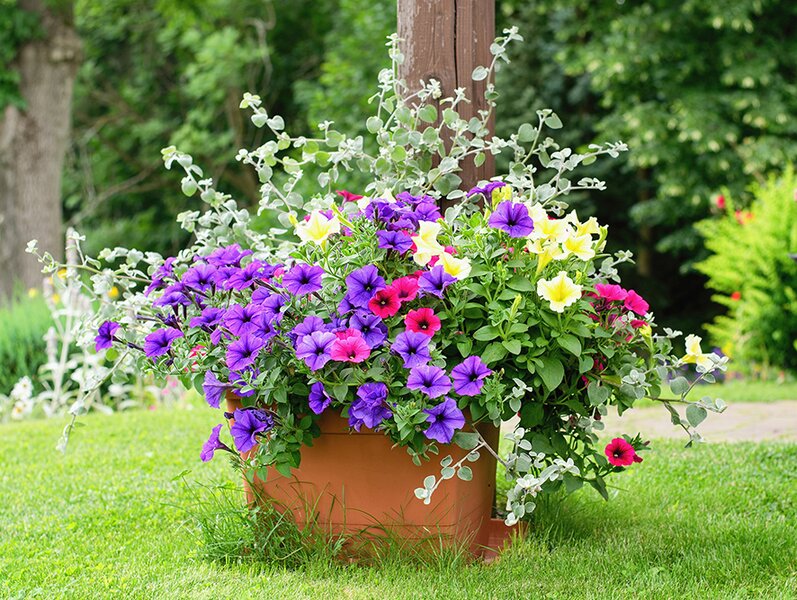
Summer is when the garden reaches its fullest, most colourful glory. Long days, warm temperatures, and abundant growth make June, July, and August some of the most rewarding months to spend outdoors. With a little care and attention, you can keep your garden looking vibrant and healthy all season long. Here are some essential summer gardening tips.
1. Water Wisely and Consistently
Summer heat can dry out soil quickly, so water deeply rather than little and often. Early morning or late evening is best, as less moisture is lost through evaporation. Focus on the base of the plant and avoid wetting leaves, which can encourage disease. Containers and hanging baskets may need watering once or even twice a day during hot spells.
2. Mulch to Keep Moisture In
A layer of mulch—such as bark, compost, or leaf mould—helps lock moisture into the soil and reduces the need for frequent watering. It also suppresses weeds and keeps plant roots cool during heatwaves.
3. Deadhead for Continuous Flowers
Regularly removing spent blooms encourages many plants, including roses, dahlias, and annuals, to produce more flowers. This simple job keeps borders looking fresh and helps prolong the display well into late summer.
4. Support Tall or Top-Heavy Plants
By early summer, perennials and climbers may need extra support. Stakes, frames, or rings help prevent wind damage and stop plants flopping over as they reach full height.
5. Feed Your Garden
Fast-growing summer plants can quickly use up nutrients. Use a general-purpose liquid feed weekly for containers and hanging baskets, and apply a slow-release feed to borders and vegetable beds. Tomatoes, cucumbers, and roses especially benefit from regular feeding.
6. Harvest Little and Often
Summer is harvest season for many fruits and vegetables. Picking produce frequently—especially beans, courgettes, and salad leaves—encourages more to grow and keeps plants productive. Enjoy herbs at their best by cutting them back regularly to promote fresh, fragrant growth.
7. Keep an Eye on Pests and Diseases
Warm, humid conditions can bring aphids, mildew, blackspot, and other issues. Inspect plants regularly and remove damaged leaves promptly. Encourage natural predators like ladybirds and hoverflies by planting nectar-rich flowers and avoiding harsh chemicals.
8. Look After Your Lawn
Mow regularly but avoid cutting grass too short in hot or dry weather—longer blades help shade the soil and retain moisture. Water lawns during prolonged dry spells if you want to keep them green, or let them go naturally dormant; they will recover once rain returns.
9. Make the Most of Outdoor Living
Summer is the perfect time to enjoy your garden. Add seating in sunny or shady spots, prune back overgrown plants to open up pathways, and keep patio containers looking bright with regular watering and feeding.
With the right care, summer can be the most rewarding season in the garden. By staying on top of watering, feeding, and general maintenance, you’ll enjoy a lush, colourful, and productive outdoor space throughout June, July, and August.