
October Garden Checklist
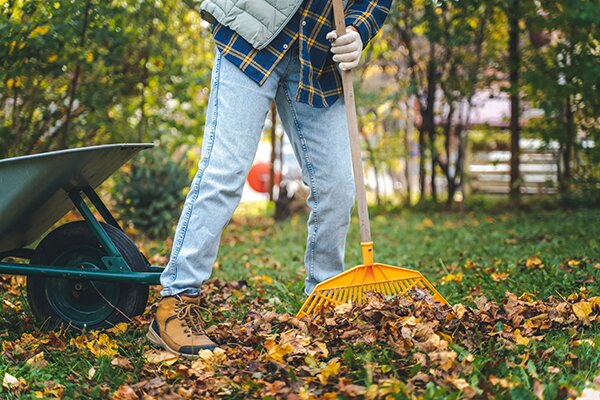
October is a month of change in the garden. As the days become shorter and temperatures begin to fall, it's time to prepare your outdoor space for the colder months ahead. While many summer flowers have finished blooming, there's still plenty to plant, harvest and maintain before winter arrives. By tackling a few essential jobs now, you'll protect your plants from frost, improve your soil and give your garden the best possible start next spring.
Why Is October an Important Month for Gardening?
October offers some of the best planting conditions of the year. The soil is still relatively warm, autumn rainfall helps newly planted trees and shrubs establish, and cooler temperatures reduce stress on young plants. It's also the ideal time to tidy the garden, improve soil health and complete maintenance tasks before winter weather sets in.
What Can You Plant in October?
Despite the cooler weather, October is an excellent planting month.
Spring-Flowering Bulbs: October is one of the best times to plant spring bulbs with popular choices including:
- Daffodils
- Crocuses
- Snowdrops
- Hyacinths
- Grape hyacinths (Muscari)
- Alliums
- Tulips
Plant bulbs in well-drained soil at a depth approximately two to three times their height for the best results.
Garlic: October is one of the most popular months for planting garlic in the UK. Autumn-planted garlic develops roots before winter and often produces larger bulbs than spring-planted varieties.
Onion Sets: Continue planting autumn onion sets during October. They establish well over winter and are usually ready for harvest earlier the following summer.
Fruit Trees and Bushes: October marks the beginning of the planting season for many fruit trees and bushes. Consider planting:
- Apple trees
- Pear trees
- Plum trees
- Gooseberries
- Currants
- Raspberries
Planting now gives roots time to establish before spring growth begins.
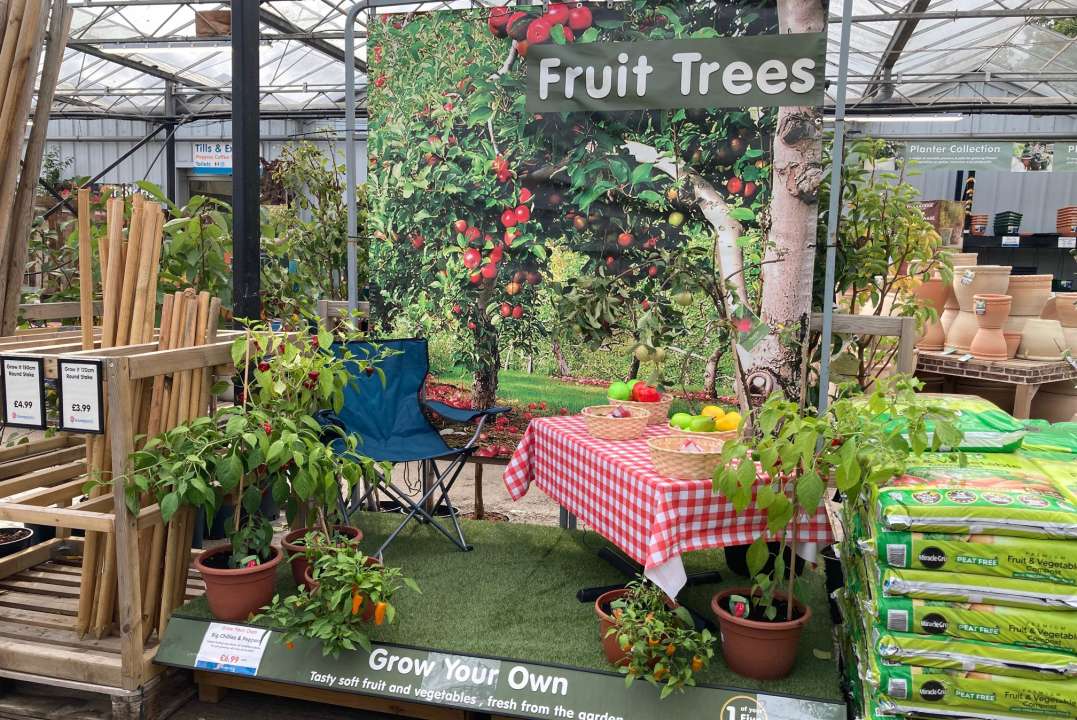
Trees, Shrubs and Hedges: October is one of the best months to plant hardy trees, shrubs and hedging. The combination of moist soil and cooler temperatures encourages healthy root development. Good choices include:
- Holly
- Laurel
- Yew
- Beech
- Hornbeam
- Photinia
Water newly planted trees well and apply mulch around the base to help retain moisture.
Vegetables to Sow in October: Although sowing opportunities become more limited, there are still several vegetables worth planting. These include:
- Broad beans (hardy varieties)
- Winter lettuce
- Spinach
- Spring onions
- Hardy peas in milder areas
If severe frost is expected, protect young plants with fleece or cloches.
Harvest Remaining Crops
October is one of the busiest harvesting months. Continue picking:
- Pumpkins
- Squash
- Apples
- Pears
- Beetroot
- Carrots
- Parsnips
- Leeks
- Cabbages
Harvest tender vegetables before the first hard frosts to avoid damage.
Protect Tender Plants
As temperatures begin to drop, protect plants that may not survive freezing conditions. Move tender plants into:
- Greenhouses
- Conservatories
- Garages
- Bright, frost-free sheds
Wrap outdoor pots with bubble wrap or horticultural fleece to protect roots during cold weather.
Improve Your Soil
Autumn is the perfect time to improve soil quality. Spread:
Allow worms and winter weather to naturally incorporate organic matter into the soil, leaving it rich and ready for spring planting.
Lawn Care in October
October is usually your last opportunity to complete major lawn maintenance before winter. Tasks include:
- Raking fallen leaves regularly.
- Aerating compacted areas.
- Applying an autumn lawn feed.
- Repairing worn patches.
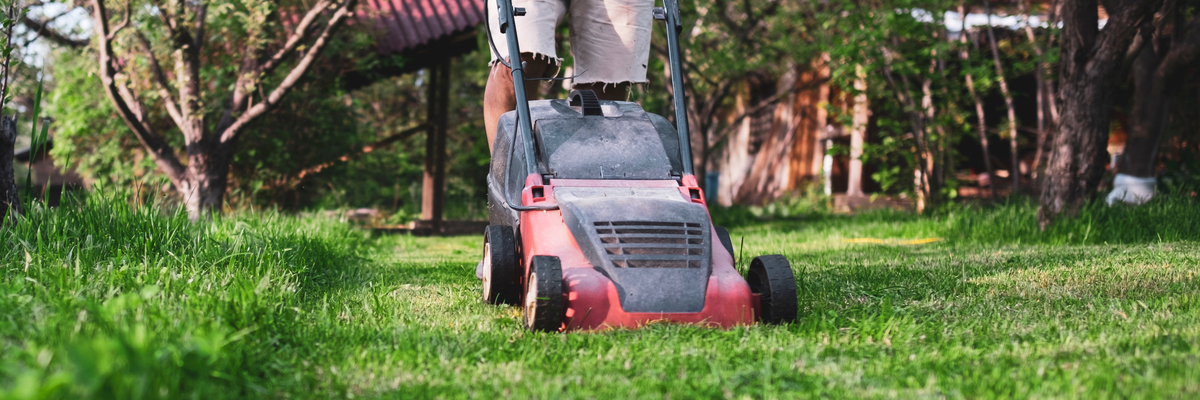
- Giving the lawn a final mow if growth continues.
Avoid walking on frozen or waterlogged grass to prevent damage.
Tidy Borders and Containers
Cleaning up your borders now helps reduce pests and diseases over winter. Remember to:
- Remove faded annuals.
- Cut back diseased foliage.
- Leave healthy seed heads for birds and winter interest.
- Empty finished vegetable beds.
- Refresh compost in containers where appropriate.
- Create Wildlife-Friendly Areas
October is a wonderful time to support wildlife in your garden.
Simple ways to help include:
- Leaving small piles of logs for insects.
- Creating leaf piles for hedgehogs.
- Hanging bird feeders.
- Providing fresh water for birds and wildlife.
- Leaving some seed heads standing for birds to feed on.
A wildlife-friendly garden remains active throughout winter and benefits biodiversity.
Greenhouse Jobs
Prepare your greenhouse for the colder months by:
- Cleaning glass to maximise light.
- Removing dead plants.
- Disinfecting benches and pots.
- Checking heaters if you use them.
- Improving ventilation on mild days to reduce condensation.
A clean greenhouse reduces the risk of pests and fungal diseases.
October Gardening Checklist
Before the month ends, try to complete these jobs:
- Plant spring bulbs.
- Plant garlic and onion sets.
- Harvest pumpkins and squash.
- Plant trees and shrubs.
- Mulch borders.
- Collect fallen leaves for leaf mould.
- Protect tender plants from frost.
- Clean garden tools before storing them.
- Empty and clean water butts if necessary.
- Continue composting garden waste.
Frequently Asked Questions
Is October too late to plant?
Not at all. October is one of the best months to plant trees, shrubs, hedges, garlic, onion sets and spring-flowering bulbs.
Should I cut everything back?
No. While removing diseased or dead growth is important, many seed heads and ornamental grasses provide winter interest and food for wildlife. Leaving some plants standing also offers shelter for beneficial insects.
Can I still mow the lawn?
Yes, if the grass is still growing. Keep the mower blades slightly higher than during summer and avoid mowing when the ground is wet or frosty.
Time to Put the Work in
October is all about preparing your garden for the months ahead. By planting bulbs, improving your soil, protecting tender plants and carrying out essential maintenance, you'll set the stage for a healthier, more productive garden next year. Although the growing season is slowing down, the work you do in October will pay dividends when spring arrives. With a little planning now, your garden will emerge from winter stronger, healthier and ready to burst into life.