
Biodiversity in the Garden
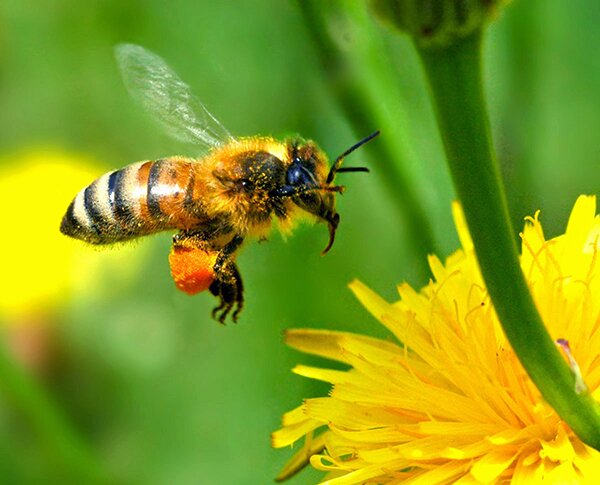
Biodiversity has become an increasingly important topic for gardeners across the UK, and for good reason. As natural habitats continue to decline, our gardens are playing a vital role in supporting wildlife. Whether you have a large country garden or a small urban plot, creating a biodiverse outdoor space can help provide food, shelter and breeding opportunities for a wide range of species.
A biodiverse garden is not only beneficial for wildlife; it also creates a healthier and more resilient environment. Gardens rich in plant and animal life are often better able to cope with pests, diseases and changing weather conditions, while offering year-round colour, movement and interest.
Planting for Wildlife
One of the easiest ways to encourage biodiversity is by choosing a wide range of plants that flower throughout the seasons. Native species are particularly valuable because they have evolved alongside local insects, birds and mammals, making them an important source of food and habitat.
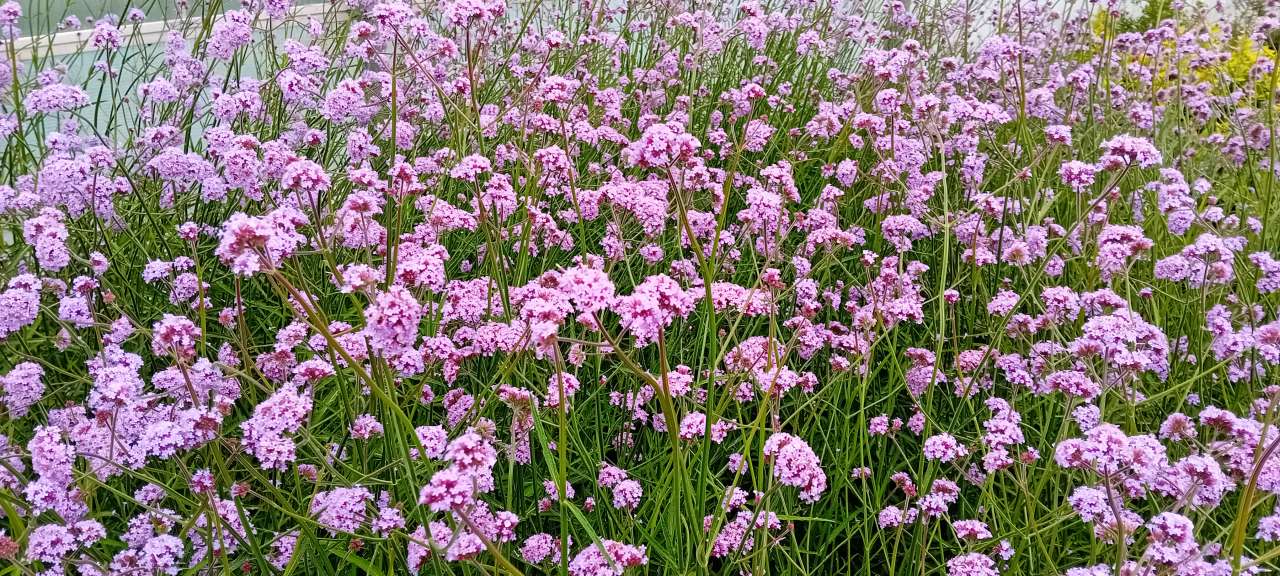
In spring, plants such as primroses, cowslips and bluebells provide some of the first nectar sources for emerging pollinators. As summer arrives, gardens can come alive with bees and butterflies feeding on lavender, foxgloves, catmint, verbena bonariensis and wild marjoram. Later in the year, autumn-flowering plants such as sedum and asters continue to provide nectar when many other food sources have disappeared. Browse Perennial plants
Winter should not be overlooked. Trees and shrubs including holly, hawthorn, rowan and crab apple offer valuable berries and shelter for birds during the colder months, helping wildlife survive until spring returns.
Creating Natural Habitats
A truly wildlife-friendly garden is about more than just plants. Nature thrives where there is variety, so consider creating different layers within your garden. Trees provide nesting opportunities for birds, shrubs offer shelter and protection, while ground-cover plants and longer grass create habitats for insects and small mammals. Browse trees
Rather than maintaining every corner to perfection, allow some areas to grow a little more naturally. A patch of wildflowers, a section of longer grass or a quiet corner filled with leaves and logs can quickly become home to a surprising range of wildlife. These less-managed spaces often provide the greatest ecological value.
The Importance of Water
Water is one of the most effective ways to attract wildlife into the garden. Even a small pond can support frogs, newts, dragonflies and a variety of beneficial insects. If space is limited, a simple container pond can still make a significant difference.
Bird baths and shallow dishes of fresh water are also invaluable, particularly during hot summer periods when natural water sources may become scarce. By providing clean water throughout the year, you can help support birds, pollinators and other garden visitors. Browse Bird Care
Encouraging Pollinators
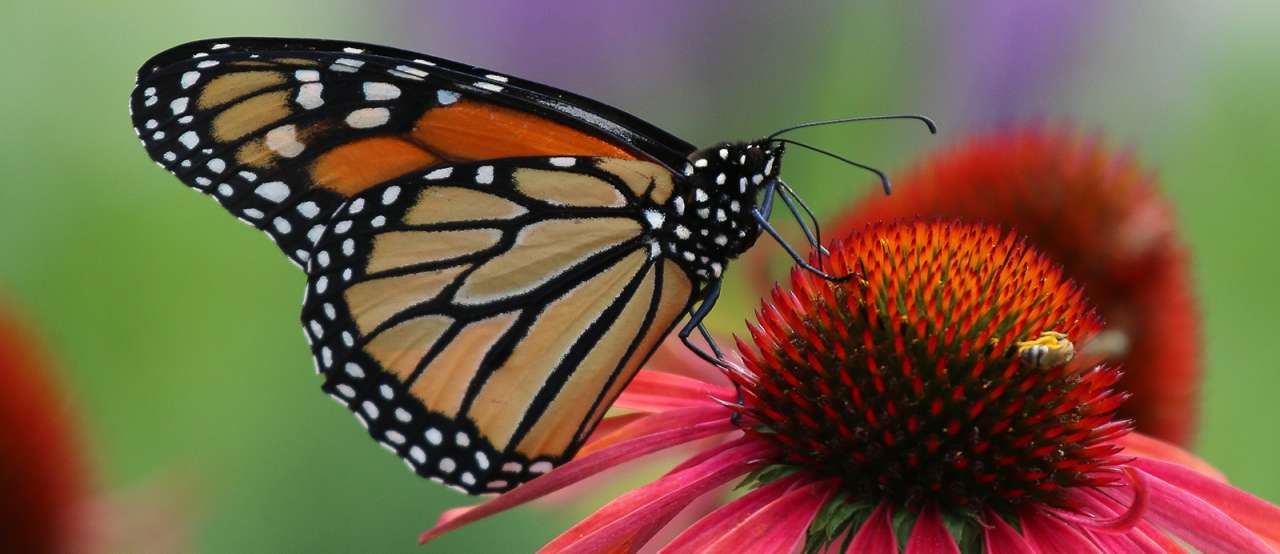
Pollinating insects are essential to both gardens and the wider environment. Bees, butterflies, hoverflies and moths help plants reproduce and contribute to healthy ecosystems.
To support these important species, aim to provide flowers from early spring through to late autumn. Single-flowered varieties are often more beneficial than heavily double-flowered cultivars, as their nectar is easier for insects to access. Avoiding pesticides wherever possible will also help maintain healthy pollinator populations and encourage a natural balance within the garden. Browse plants for wildlife
Providing Shelter for Wildlife
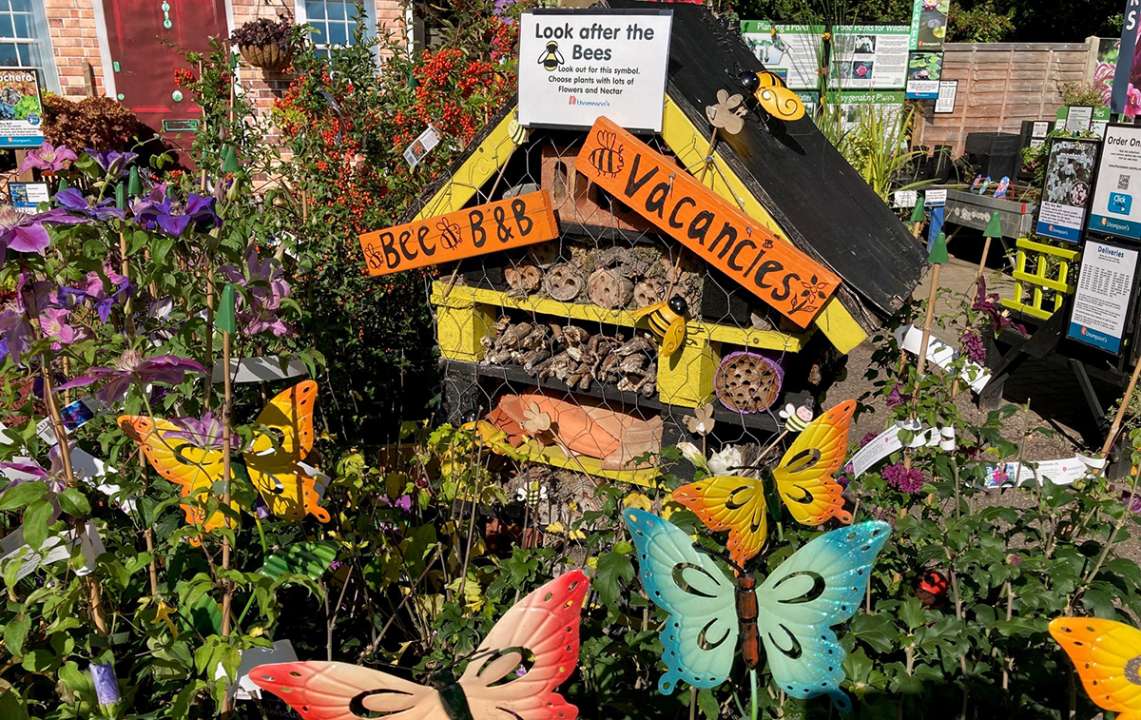
Many species struggle to find suitable places to nest, hibernate or seek protection. Simple features such as bird boxes, hedgehog houses and log piles can provide valuable refuge throughout the year.
Dead wood is particularly important for biodiversity. While it may appear untidy, decaying timber supports countless insects, fungi and microorganisms, which in turn become food for birds and other wildlife. Compost heaps can also create warm, sheltered environments that are attractive to a variety of species.
Gardening with Nature in Mind
Creating a biodiverse garden does not mean sacrificing beauty or abandoning maintenance altogether. Instead, it is about working alongside nature rather than against it. Reducing the use of chemicals, planting a diverse range of species and allowing space for wildlife to flourish can transform even the smallest garden into a thriving ecosystem.
Every wildlife-friendly garden forms part of a much larger network of habitats across the UK. By making thoughtful planting choices and embracing a more natural style of gardening, homeowners can play an important role in supporting biodiversity while enjoying a richer, healthier and more vibrant outdoor space.