
Organic Gardening
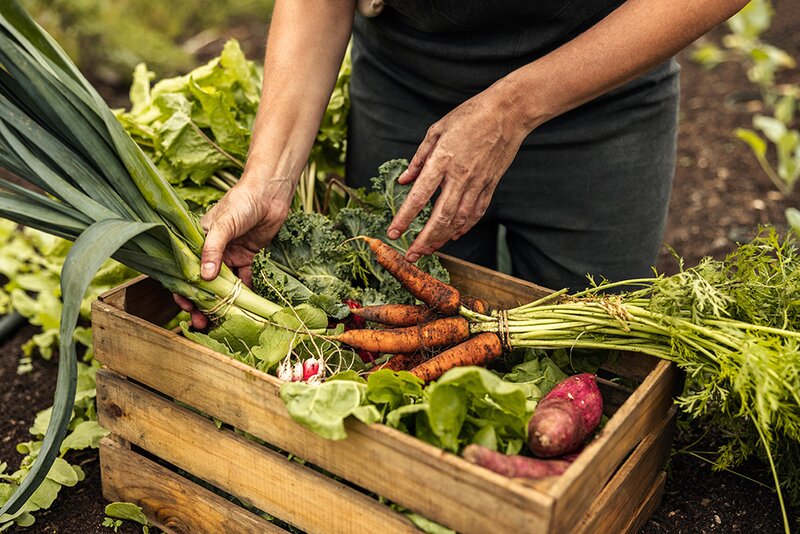
In a world increasingly focused on health and sustainability, organic gardening has emerged as more than just a trend—it’s a lifestyle. Whether you have a sprawling backyard or a few pots on a windowsill, gardening organically can be both rewarding and transformative.
What Is Organic Gardening?
Organic gardening is the practice of growing plants without synthetic fertilizers, pesticides, or genetically modified organisms. Instead, it relies on natural processes, biodiversity, and ecological balance to cultivate healthy soil and strong plants. The goal is not just to grow food, but to do so in a way that supports the environment.
Why Choose Organic?
One of the biggest motivations for organic gardening is health. By avoiding chemical inputs, you reduce your exposure to potentially harmful substances. Freshly picked, organically grown produce is often richer in flavour and nutrients.
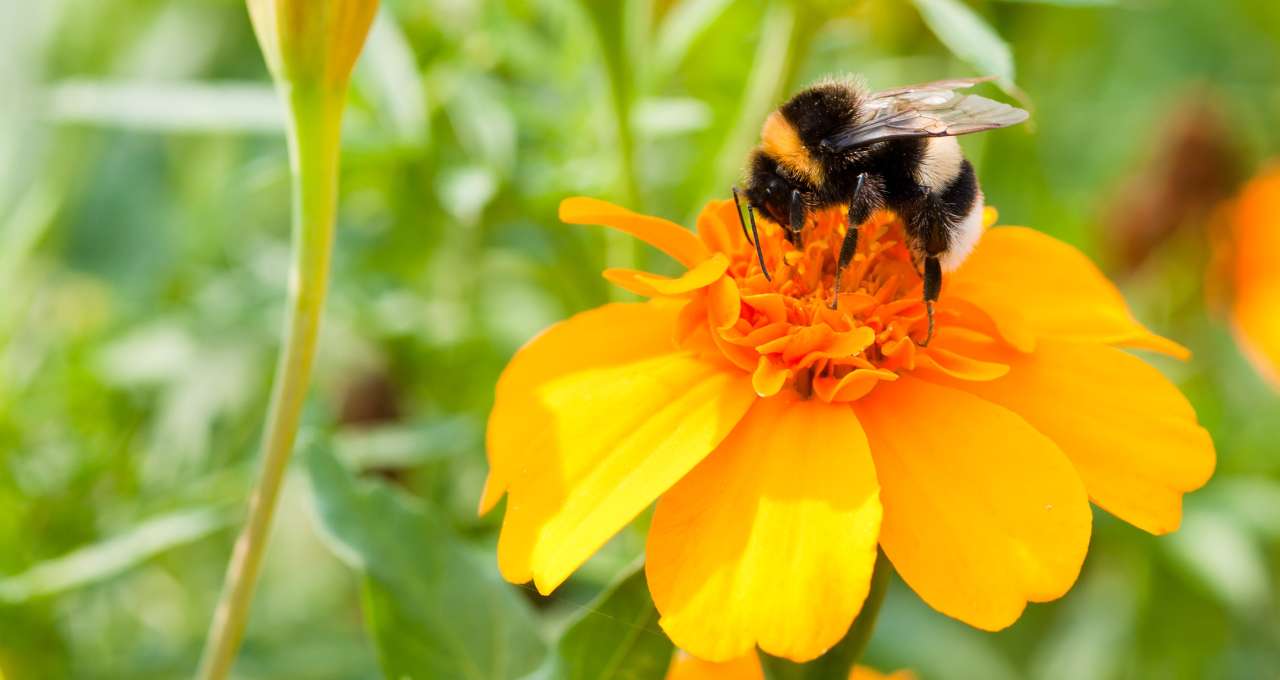
Beyond personal health, organic gardening benefits the planet. It improves soil quality, conserves water, reduces pollution, and supports beneficial insects like bees and butterflies. It’s a small but meaningful step toward combating climate change.
Getting Started
Starting your organic garden doesn’t have to be complicated. Begin with these basics:
1. Build Healthy Soil
Soil is the foundation of any successful garden. Use compost, well-rotted manure, and natural amendments to enrich it. Healthy soil teems with microorganisms that help plants absorb nutrients.
2. Choose the Right Plants
Select plants suited to your climate and season. Native species often thrive with minimal care and are more resistant to local pests. Plant to attract Wildlife
3. Practice Companion Planting
Some plants grow better together. For example, pairing basil with tomatoes can improve growth and repel pests naturally.
4. Water Wisely
Water deeply but less frequently to encourage strong root systems. Early morning watering helps reduce evaporation and disease. How to water wisely
5. Manage Pests Naturally
Instead of chemical pesticides, use natural solutions like neem oil, garlic spray, or introducing beneficial insects such as ladybugs. Organic Products
The Role of Composting
Composting is at the heart of organic gardening. Kitchen scraps, yard waste, and even cardboard can be turned into nutrient-rich compost. This not only reduces waste but also feeds your soil in a sustainable way. Learn how to make your own compost
Challenges and Patience
Organic gardening requires patience. Plants may grow slower, and you might face occasional pest issues. However, the long-term benefits far outweigh the initial challenges. Over time, your garden will develop a natural balance, becoming more resilient and productive.
A Rewarding Experience
There’s something deeply satisfying about harvesting food you’ve grown yourself. Organic gardening reconnects you with nature, encourages mindfulness, and fosters a sense of accomplishment.
Whether you’re planting your first seed or expanding an existing garden, embracing organic methods can lead to healthier food, a healthier environment, and a more fulfilling gardening experience. Organic gardening isn’t about perfection—it’s about progress. Every small step you take toward natural growing makes a difference.
Plants for Wildlife