
How to Plant a Hedge
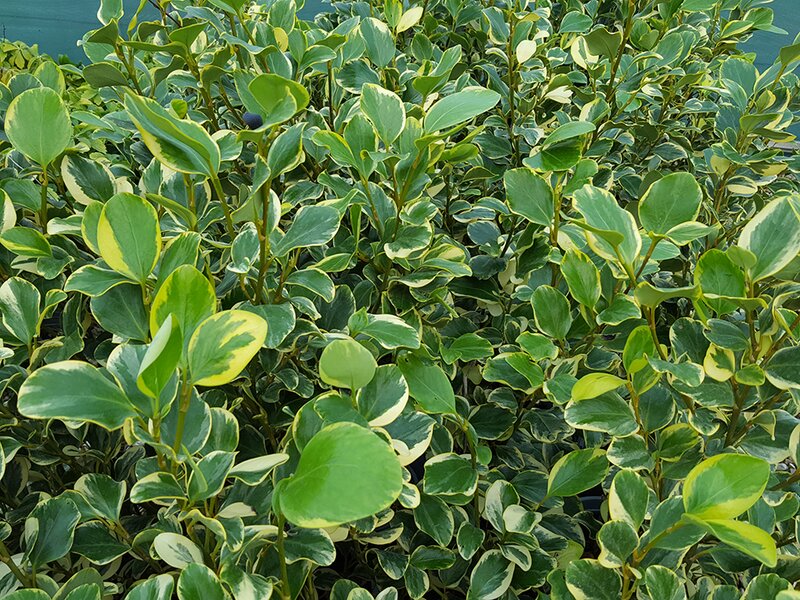
Planting a hedge is a popular and practical choice for UK gardens, offering privacy, shelter, security, and year-round interest. Whether you’re creating a formal boundary or a wildlife-friendly screen, learning how to plant a hedge properly will ensure strong growth and long-term success.
When Is the Best Time to Plant a Hedge?
The best time to plant hedging plants in the UK is during the dormant season, from November to March. This is ideal for bare-root hedging, which is the most cost-effective option and widely used for garden and boundary hedges. Avoid planting when the ground is frozen or waterlogged. Container-grown hedging plants can be planted all year round, but autumn and spring are best to minimise watering and help roots establish quickly.
Preparing the Soil for Hedge Planting
Good soil preparation is essential when planting a hedge. Start by removing weeds, grass, and debris from the planting area. Dig a trench approximately 30–45cm wide and deep, breaking up compacted soil at the base. Improve soil quality by mixing in organic matter such as compost or well-rotted manure. This helps retain moisture and provides nutrients, especially in poor or sandy soils. Before planting bare-root hedging plants, soak the roots in water for at least 30 minutes to prevent them drying out.
How to Plant a Hedge
Place the plants evenly along the trench. Most hedging plants should be spaced 30–45cm apart, depending on the species and desired density. For a thicker hedge, plant in a double staggered row, leaving around 30cm between rows.
Set each plant so the original soil mark on the stem is level with the ground. Spread the roots naturally, backfill with soil, and gently firm it down to remove air pockets. Water thoroughly after planting, even during winter months.
Finish by applying a mulch layer such as bark chippings or compost to suppress weeds and retain moisture.
Popular Hedging Plants
Choosing the right plant is key to a successful hedge. Some of the best hedging plants in the UK include:
-
Hawthorn (Crataegus) – A native hedging plant, ideal for wildlife and security.
-
Beech – Popular for formal hedges, retaining copper-coloured leaves in winter.
-
Privet (ligustrum) – Fast-growing, affordable, and easy to maintain.
-
Yew – A slow-growing evergreen, perfect for formal garden hedging.
-
Cherry Laurel (Prunus) – A fast-growing evergreen with dense coverage.
-
Box (Buxus) – Ideal for low, decorative hedges and borders.
-
Leylandii – Very fast-growing evergreen, best for tall screening.
-
Griselinia - Dense evergreen shrub with vigorous growth.
Hedge Aftercare and Maintenance
Water your new hedge regularly during its first year, especially in dry weather. Keep the base weed-free and top up mulch as needed. Light trimming after the first growing season will encourage bushier growth and help your hedge establish evenly.
By following these steps, planting a hedge in the UK is straightforward and rewarding, resulting in a long-lasting, attractive garden feature.
Here at Thompson's Garden Centre we have a huge choice of plants for hedging. Visit your local branch of Thompson's for expert advice on what to plant for your hedge and to see our full range of shrubs and trees for hedging, or you can browse our web shop for information on our most popular varieties for hedging.