
November Gardening Checklist
November marks the transition from autumn into winter, bringing shorter days, colder temperatures and the first signs of frost. Although the garden may be looking quieter, there is still plenty to do to keep your outdoor space healthy, tidy and looking its best throughout the colder months.
It's the perfect time to protect plants from frost, prepare borders for winter, plant spring-flowering bulbs and make the most of the remaining opportunities for seasonal planting. Whether you're an experienced gardener or simply enjoy keeping your garden looking beautiful, our November gardening checklist will help you stay on top of essential jobs and give your garden the best possible start for spring.
November Gardening Checklist: Essential Jobs for the Month
1. Clear Fallen Leaves
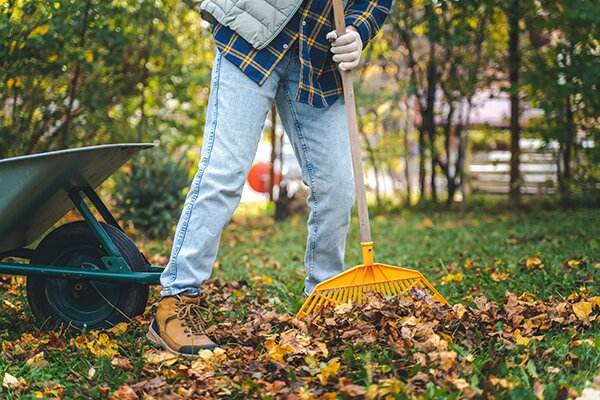
Fallen leaves can quickly build up on lawns, patios, paths and borders. While they provide valuable shelter for wildlife, thick layers of wet leaves can smother lawns and create slippery surfaces. Rake leaves from lawns regularly and collect them to make leaf mould, an excellent natural soil conditioner that can be used in borders and around plants once decomposed.
Try to leave some leaves in quieter areas of the garden to provide shelter for beneficial insects and wildlife over winter.
2. Protect Plants from Frost
As temperatures begin to drop, protecting tender plants becomes increasingly important. Move vulnerable pots into a greenhouse, conservatory or sheltered position. For plants that need to remain outdoors, use horticultural fleece to provide insulation during particularly cold spells. Wrap pots containing less hardy plants with bubble wrap, hessian or other insulating materials to help protect roots from freezing temperatures.
Pay particular attention to:
- Tender perennials.
- Young plants and newly planted shrubs.
- Citrus plants and tender patio plants.
- Dahlias and other frost-sensitive plants.
3. Look After Your Lawn
November is generally the last opportunity for a light lawn cut before winter, provided the grass is still growing and the ground isn't wet or frosty.
Raise the mower blades to leave the grass slightly longer, as cutting too short can weaken the lawn during colder weather. Remove fallen leaves, avoid walking on waterlogged or frosty grass, and consider applying a suitable autumn lawn feed if you haven't already done so.
4. Mulch Your Garden Borders
Adding a layer of mulch to flower beds and borders is one of the most beneficial November gardening jobs.
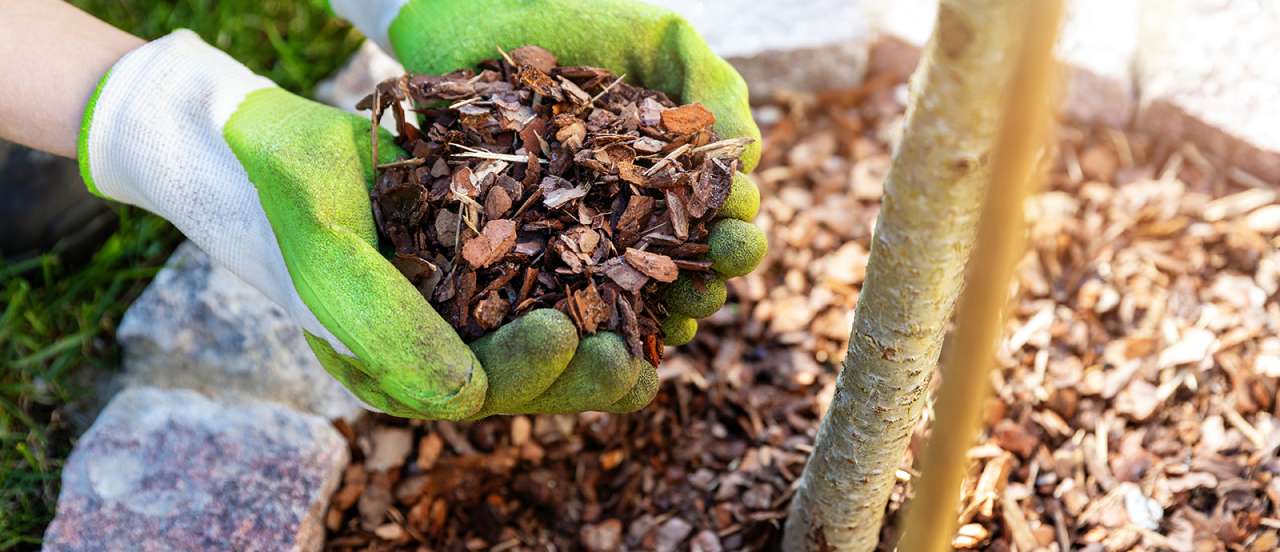
Spread well-rotted compost, leaf mould or organic mulch around established plants to help insulate roots, improve soil structure and retain moisture. Mulching also helps suppress weeds and provides valuable nutrients as the material gradually breaks down. Avoid piling mulch directly against plant stems or tree trunks, as this can encourage rotting.
5. Prune and Tidy Trees and Shrubs
November is a good time to remove dead, damaged or diseased branches from many trees and shrubs.
Once deciduous plants have lost their leaves, their structure becomes easier to see, making it simpler to identify branches that need attention. You can also remove dead growth from herbaceous perennials, although consider leaving some seed heads standing to provide food and shelter for wildlife. Avoid heavy pruning of spring-flowering shrubs, as you could remove next year's flower buds.
6. Clean and Store Garden Furniture
Before winter weather sets in, clean garden furniture, parasols, cushions and outdoor accessories.
Store cushions and fabric items somewhere dry, cover furniture where appropriate and protect wooden furniture with a suitable outdoor treatment. It is also worth cleaning pots, trays and gardening tools before storing them away.
7. Prepare Your Greenhouse for Winter
Give your greenhouse a thorough clean before winter arrives. Remove old plant debris, wash the glass to maximise natural light and check that vents and doors are working properly.
Inspect greenhouse heaters, insulation and frost protection equipment to ensure everything is ready for colder temperatures. If you're growing winter salads or overwintering tender plants, check regularly for pests, disease and excessive condensation.
What to Plant in November
November might feel like a quiet month for planting, but there are still plenty of opportunities to add colour, interest and productivity to your garden.
The key is choosing plants that can tolerate cooler conditions and making the most of the dormant season.
1. Plant Spring-Flowering Bulbs
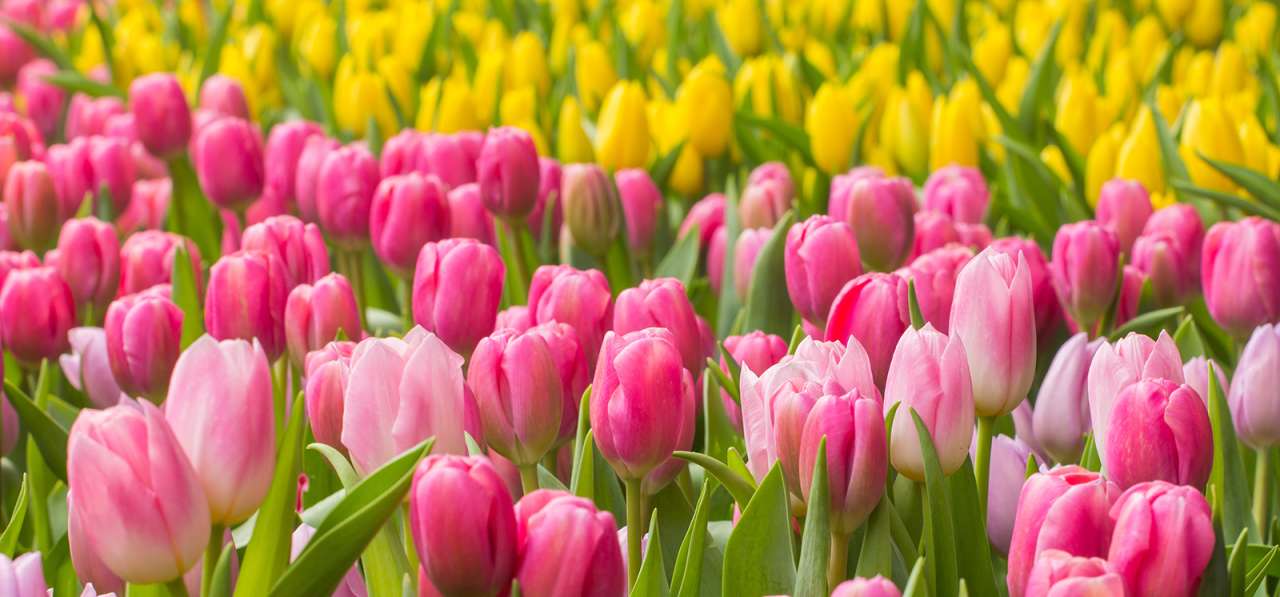
November is an excellent time to plant many spring-flowering bulbs, particularly tulips. Planting bulbs now allows them to establish roots before spring, rewarding you with beautiful displays of colour after winter.
Popular bulbs to plant include:
- Tulips – for colourful spring borders, pots and containers.
- Alliums – for striking flower heads in late spring and early summer.
- Crocuses – for early colour in lawns, borders and rockeries.
- Daffodils – ideal for naturalising in lawns and planting in borders.
- Hyacinths – perfect for fragrant spring displays in containers and beds.
As a general rule, plant bulbs at a depth of around two to three times their height, following the specific instructions on the packet. How to plant Spring Bulbs
2. Plant Trees and Shrubs
November is still a good month for planting, making it an ideal time to introduce new trees, hedging and shrubs to your garden.
Consider planting:
- Fruit trees such as apples, pears and plums.
- Ornamental trees such as silver birch and rowan.
- Hedging plants such as hawthorn, beech and privet.
- Flowering shrubs such as roses and dogwood.
Avoid planting in frozen or waterlogged ground, and water plants in well after planting if conditions are dry.
3. Plant Winter Bedding Plants
Winter doesn't have to mean a garden without flowers.
Winter bedding plants can bring welcome colour to containers, window boxes and borders throughout the colder months.
Some excellent choices include:
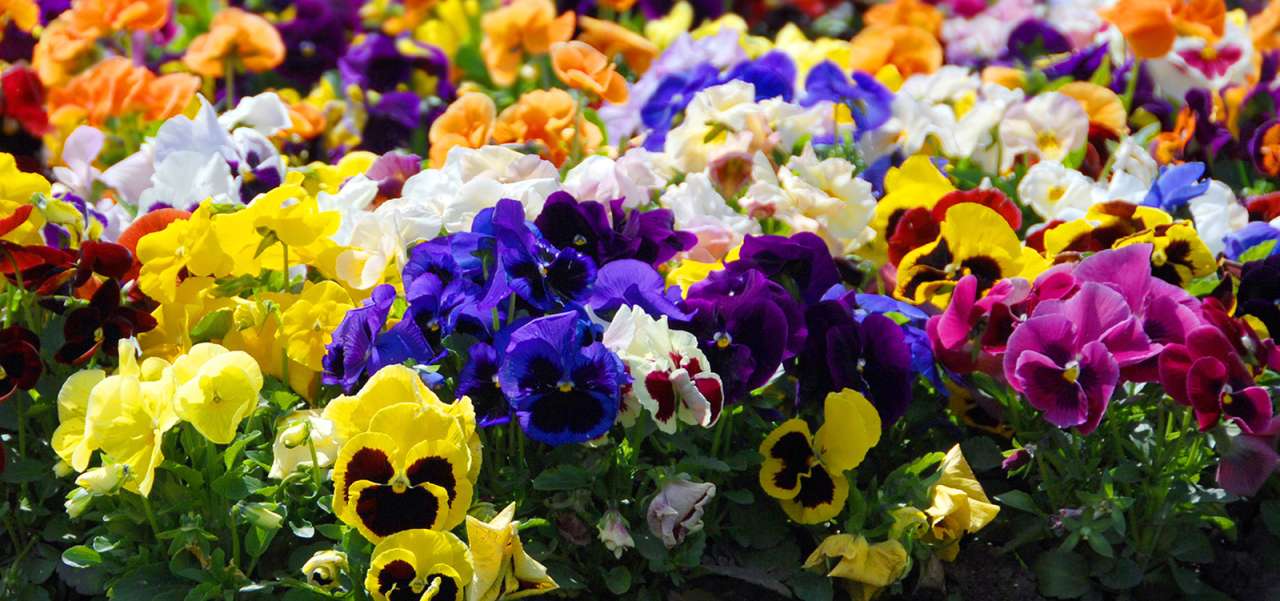
- Winter pansies.
- Violas.
- Cyclamen.
- Winter-flowering heathers.
- Primroses.
- Ornamental cabbage and kale.
Combine different colours and textures in containers to create attractive displays that will brighten patios and doorways throughout winter.
4. Plant Garlic and Autumn Onions
November is a good time to plant garlic and autumn-planting onion sets, provided the soil is well-drained and workable.
Garlic cloves should be planted individually, pointed end upwards, approximately 5cm deep and spaced around 15cm apart. Onion sets can be planted with their tips just showing above the soil surface. Choose a sunny, open position and avoid planting in heavy, waterlogged soil, as this can cause bulbs to rot.
5. Plant Broad Beans
Broad beans can be sown in November in milder parts of the UK, particularly in sheltered, well-drained gardens.
Choose a hardy variety suitable for autumn sowing, such as 'Aquadulce Claudia'. Sow directly into prepared soil or into pots for planting out later. Autumn-sown broad beans can establish strong roots before winter and provide an earlier harvest the following year. In colder or exposed areas, it may be better to wait until spring or protect young plants with fleece.
6. Plant Fruit Bushes
November is a great time to plant soft fruit bushes while they are dormant.
Consider adding:
- Blackcurrants.
- Redcurrants.
- Gooseberries.
- Raspberries.
- Blackberries.
Choose a suitable sunny position, prepare the soil with organic matter and water thoroughly after planting.
Getting fruit bushes established now gives them plenty of time to develop strong roots before the growing season begins.
Winter Garden Maintenance: Preparing for the Cold Months
As winter approaches, a little preparation can make a big difference to the health and appearance of your garden.
Protect Pots and Containers
Terracotta and ceramic pots can crack when moisture inside them freezes and expands. Raise containers off the ground using pot feet or bricks to improve drainage and prevent waterlogging. Move frost-sensitive pots into sheltered positions and wrap vulnerable containers where necessary.
Check Garden Fences and Structures
Winter winds can put considerable pressure on fences, sheds, pergolas and garden structures.
Check fence panels, posts, trellises and gates for loose fittings or damage, and make repairs before stronger winter weather arrives. Secure climbing plants to their supports and remove any damaged or loose growth.
Look After Garden Wildlife
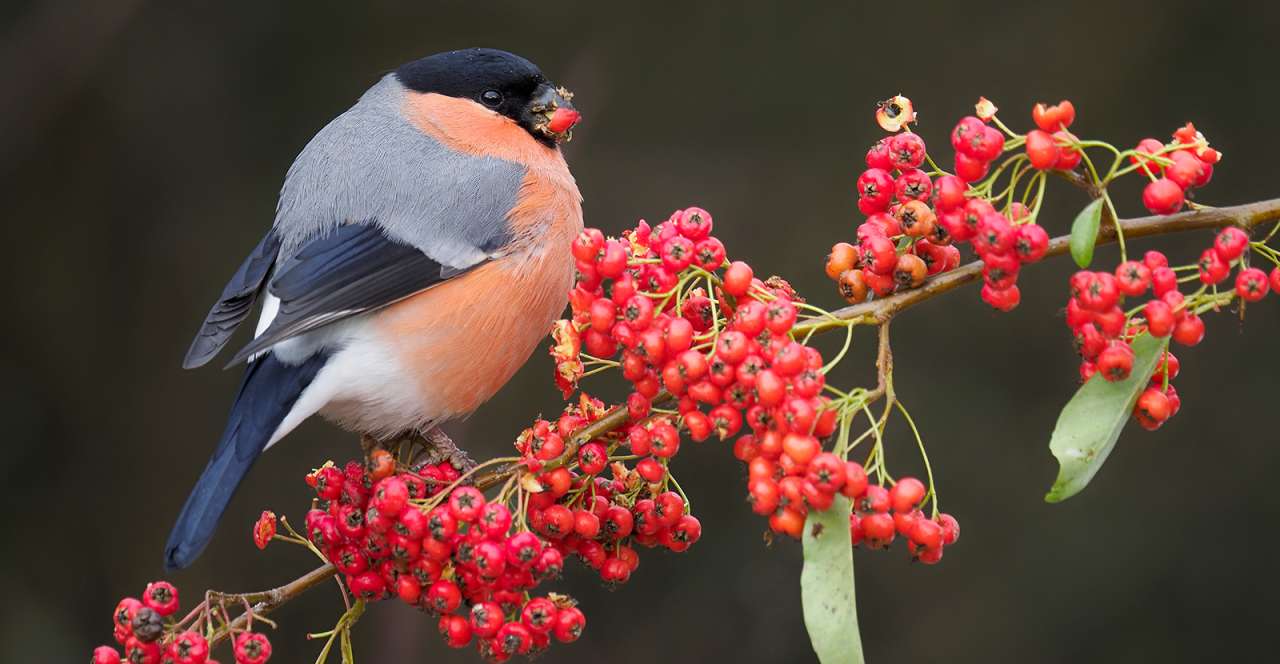
Your garden can become an important source of food and shelter for wildlife during winter.
Help birds, insects and other garden visitors by:
- Keeping bird feeders topped up.
- Providing fresh water in bird baths.
- Leaving some seed heads and hollow stems standing.
- Creating log piles in quiet corners.
- Leaving undisturbed areas for insects to shelter.
- Avoiding unnecessary garden tidying.
Remember to clean bird feeders and water containers regularly to help prevent the spread of disease.
Maintain Garden Tools
Before putting your gardening tools away for winter, give them a little attention.
Clean soil and plant debris from spades, forks and trowels, sharpen pruning tools and apply a light coating of oil to metal surfaces to help prevent rust. Drain and store garden hoses, clean lawnmowers and check that outdoor taps and water pipes are protected against freezing.
Make the Most of Your November Garden
Although November signals the arrival of colder weather, it is far from the end of the gardening season.
From planting spring bulbs and bare-root trees to protecting tender plants and preparing borders for winter, there are plenty of ways to keep your garden healthy and productive.
Taking the time to complete these essential November gardening jobs will help protect your plants through the colder months and set the foundations for a beautiful garden next spring.
So wrap up warm, get outside and make the most of the final opportunities of the gardening year. A little preparation now will reward you when your garden bursts back into life.
Happy gardening!