
When Should I Plant?
Gardening success often comes down to timing. Planting too early or too late can stunt growth, reduce flowering, or even kill delicate plants. Understanding the rhythms of the seasons and the specific needs of your plants is key to a thriving garden. Here’s a guide to help you Know When to Plant in Your Garden
Spring: Time for Growth
Spring is the most active planting season. As temperatures rise and the soil warms, most perennials, vegetables, and annuals are ready to go into the ground.
-
Vegetables: Plant cool-season crops like lettuce, peas, and spinach as soon as the soil can be worked. Warm-season crops such as tomatoes, peppers, and squash should wait until after the last frost.
-
Flowers: Hardy annuals like pansies and primroses can go in early, while tender annuals such as petunias and marigolds should wait until the risk of frost has passed.
-
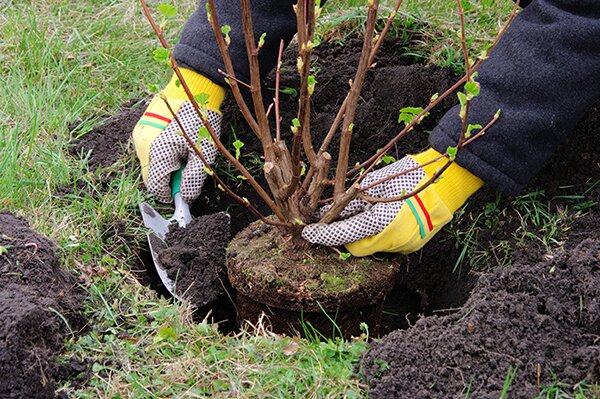
Shrubs & Trees: Spring is ideal for planting shrubs and trees to allow roots to establish before summer heat arrives.
Tip: Check local frost dates and prepare soil with compost or fertiliser before planting.
Summer: Maintenance and Late Planting
Summer is often a time for maintaining the garden rather than starting new plants, but there are still opportunities.
-
Vegetables: Continue succession planting of crops like beans and radishes for a longer harvest.
-
Flowers: Plant heat-tolerant annuals like zinnias or sunflowers. Perennials can be planted early in summer if watered regularly.
-
Pruning & Mulching: Summer is ideal for pruning spring-flowering shrubs after they bloom and mulching to conserve soil moisture.
Tip: Avoid planting tender seedlings during extreme heat—wait until evening or cooler days, and keep them well-watered.
Autumn: Preparing for Winter
Autumn is perfect for planting hardy perennials, shrubs, and trees, giving them time to establish before winter.
-
Perennials & Bulbs: Plant spring-flowering bulbs like tulips, daffodils, and crocuses. Hardy perennials can also be planted now to settle before spring growth.
-
Shrubs & Trees: Autumn planting allows roots to grow in cool, moist soil without the stress of summer heat.
-
Vegetables: Sow cold-tolerant crops such as spinach, garlic, and broad beans for an early spring harvest.
Tip: Avoid planting tender summer annuals—they won’t survive frost. Mulch around new plants to protect roots.
Winter: Planning and Protection
Winter is often a quieter time in the garden, but preparation is key for spring success.
-
Planning: Use the winter months to plan your garden layout, order seeds, and prepare pots or raised beds.
-
Protection: Protect tender plants with cloches, fleece, or mulch. Evergreen shrubs can also benefit from extra mulch at the base to prevent frost damage.
-
Indoor Sowing: Start seeds indoors for early spring planting, giving them a head start before the outdoor growing season.
Tip: Check stored bulbs, seeds, and tubers for signs of rot or damage and refresh soil in containers.
General Advice for All Seasons
-
Observe the Weather: Even frost-tolerant plants can be damaged by late freezes. Use row fleece or cloches to protect young seedlings.
-
Soil Preparation: Healthy soil is the foundation of success—amend it with compost, mulch, or organic matter before planting.
-
Start Small: If you’re new to gardening, focus on a few plants at a time to learn their needs before expanding.
Knowing when to plant in your garden is a combination of seasonal awareness, local climate knowledge, and understanding the specific needs of your plants. By timing your planting correctly, preparing soil properly, and protecting tender growth, you can enjoy a vibrant, productive garden throughout the year. Gardening isn’t just about putting plants in the ground—it’s about working with nature’s rhythm to help your garden flourish.