
Low Maintenance Garden
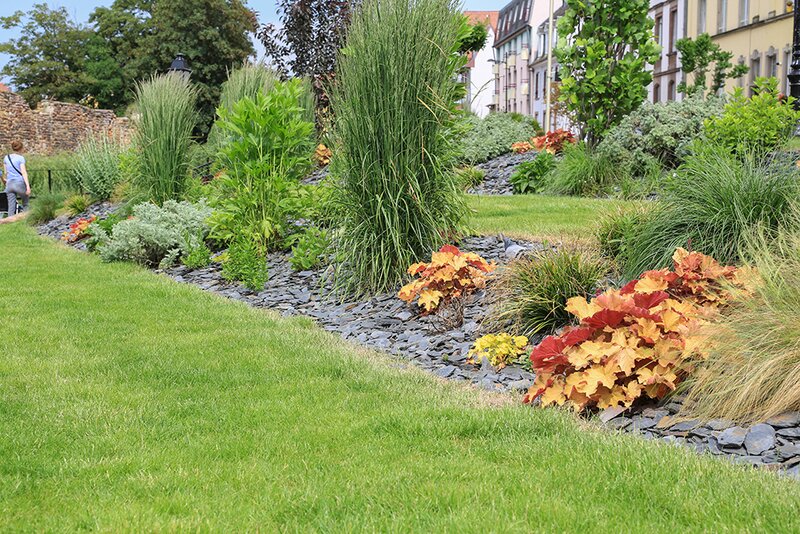
Not everyone has the time, energy or enthusiasm to mow, weed, prune and water constantly — and that’s okay. A low-maintenance garden is perfect if you’re busy, don’t want to rely on professional gardeners, are new to gardening, or simply prefer a relaxed space you can enjoy without it becoming a chore. With smart planning, you can have a garden that looks good, feels lively and welcomes wildlife — without spending every weekend working in it.
Less Work, More Reward
Here are the core ideas to guide a low-maintenance garden design:
-
Minimise or replace lawn. It may seem surprising, but in many cases, replacing a lawn with paving, decking, gravel or other hard-landscaping reduces maintenance dramatically. Lawns demand regular mowing, edging, feeding and watering — tasks that add up.
-
Keep layouts simple and logical. Straight paths, well-defined edges, and uncomplicated borders are easier to mow, weed and manage than fiddly, curved or narrow strips. Avoid awkward corners or tiny slivers of turf that need frequent trimming.
-
Group plants by their needs. Put together plants that share similar requirements — sunlight, soil type, moisture — so that you don’t have to babysit each plant individually. This also makes watering, feeding and maintenance more efficient.
Planting Strategy: Choose Longevity, Structure, and Ease
-
Use hardy shrubs and evergreens. Shrubs — especially evergreen ones — tend to be long-lived, hardy, and need little attention once established. They provide greenery all year, change little from season to season, and don’t demand the deadheading or replanting that annuals often require.
-
Avoid high-maintenance plants. Skip bedding plants, annuals that need replacing, or very tender plants that must be moved indoors in winter. Instead favour plants that are hardy in UK gardens and don’t need to be replanted every season.
-
Pick reliable, well-tried plants. Look out for plants with certification or good reputation for being robust in average conditions — this often means less fuss and more success.
Soil, Ground & Hard Landscaping – Work Smarter
-
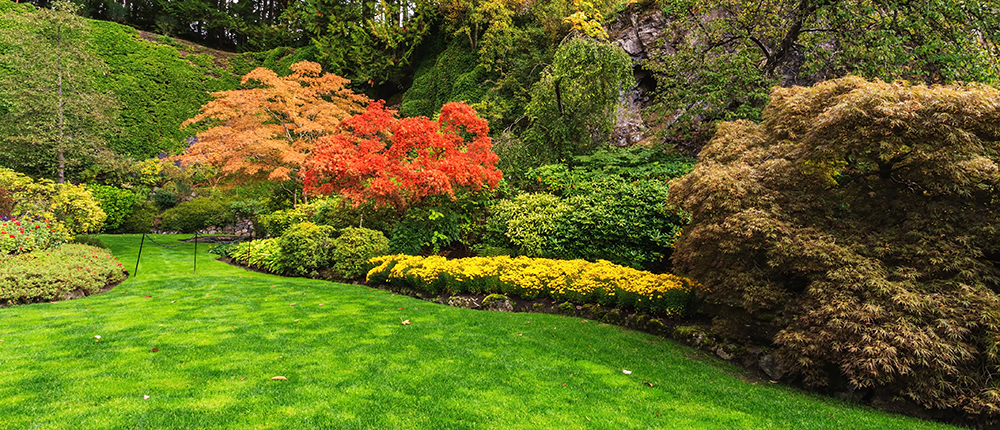
Use mulch or gravel to suppress weeds. Covering bare soil with bark chips, gravel, or similar mulch helps prevent weeds, keeps moisture in, and reduces the frequency of weeding and watering. It also gives a neat, finished look.
-
Consider raised beds or large containers (if soil is limited). Raised beds often require less weeding and better drainage; large containers dry out more slowly than tiny pots so they’re easier to manage.
-
If you keep any lawn, make it easy to maintain. Use permanent edging (e.g. bricks, paving stones), and aim for simple lawn shapes without narrow strips or irregular edges that require frequent trimming.
Accept a Little Wildness — And Enjoy It
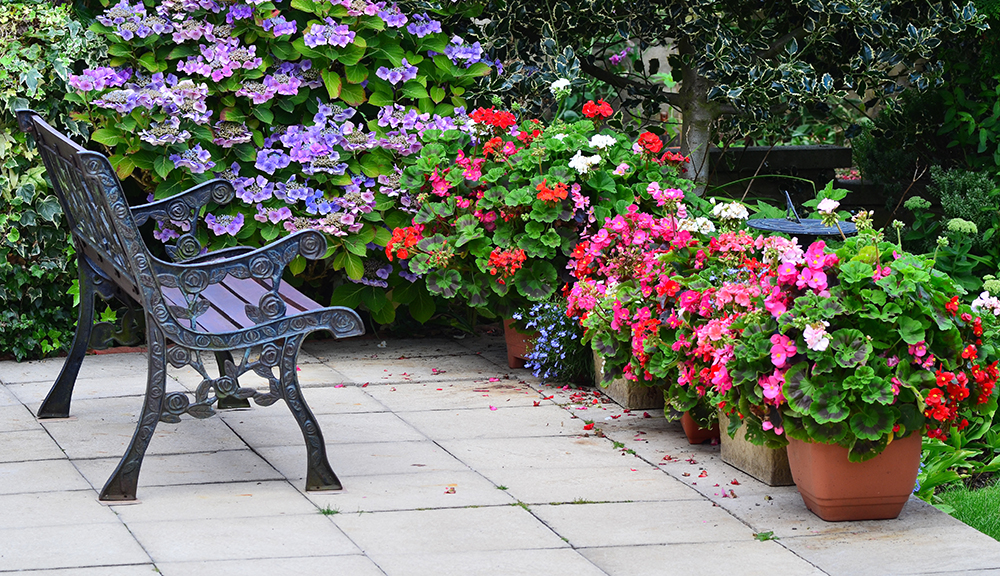
A low-maintenance garden doesn’t have to look pristine. In fact, embracing a bit of “wildness” — letting low-growing plants fill cracks, allowing small imperfections like a stray weed or fallen leaf — can create character and charm. You’ll spend less time on upkeep, and the garden may welcome more wildlife as a bonus. You can even plan a small “relaxed zone” — maybe a gravel or bark-covered patch with hardy shrubs and minimal maintenance — as a peaceful area that stays pleasant with virtually no effort.
Extra Ideas for a Effort-Saving Garden
-
Use drought-tolerant or tough species — especially if you occasionally go away or don’t water much.
-
Install rainwater collection or simple irrigation — if you want automatic watering and don’t want to lug watering cans around all summer.
-
Think evergreen, ground-cover, and shrubs over seasonal bedding — less replanting, more consistency, fewer chores.
-
Add vertical planting — using walls, fences or trellises with climbers, to get greenery without expanding borders horizontally.
Low-Maintenance Doesn’t Mean Low Appeal
A well-planned low-maintenance garden doesn’t have to feel dull or neglected. On the contrary, with the right foundation — simple structure, suitable plants, good ground cover — you can enjoy a garden that stays looking good throughout the year, without monopolising your free time. Whether you’ve got a tiny urban yard or a larger suburban plot, smart design and sound plant choices let you enjoy the benefits of outdoor space — without the heavy workload.