
How to Feed Houseplants
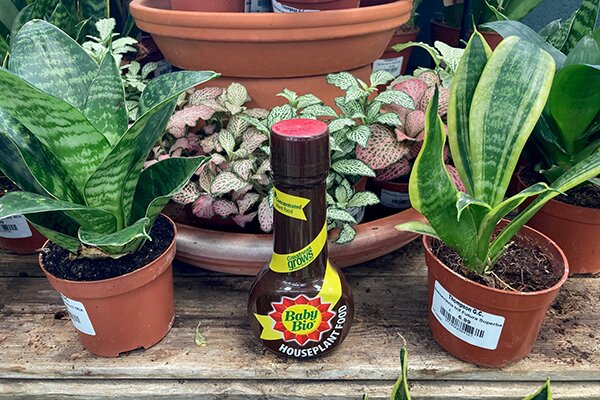
Houseplants need nutrients for healthy growth, but feeding more often does not necessarily mean better growth. The right feeding routine depends on the plant, compost, season and stage of growth.
Why do houseplants need feeding?
Plants use nutrients as they grow. A houseplant kept in the same container for a long period can eventually use nutrients available in its growing medium.
When should you feed houseplants?
For many houseplants, feeding is most useful during the growing season when the plant is actively producing new growth. Growth usually slows in autumn and winter, so feeding may need to be reduced or stopped depending on the plant.
Always follow the instructions on your chosen fertiliser.
How often should you feed houseplants?
There is no universal schedule. Fertilisers vary in strength and formulation, and different plants have different needs.
Use the product label as your starting point rather than assuming that more frequent feeding is better.
Liquid vs slow-release fertiliser
Liquid fertilisers can be diluted and applied during watering. Slow-release fertilisers release nutrients over a longer period.
Either can be useful when matched to the plant and used according to instructions.
Signs your plant may need feeding
- Poor or slow growth during the growing season
- Pale foliage
- Poor flowering
- A plant that has been in the same compost for a long time
But these symptoms can also indicate poor light, watering problems, root issues or pests. Do not feed automatically when a plant looks unhealthy.
Can you overfeed a houseplant?
Yes. Too much fertiliser can damage roots and create problems with nutrient balance. If in doubt, follow the manufacturer's dosage rather than increasing the amount.
Should you feed after repotting?
Fresh compost may already contain nutrients, depending on the product. Check the compost instructions and allow the plant to settle before adding additional fertiliser unless the product specifically recommends otherwise.
What about winter feeding?
Many plants slow down when light levels and temperatures fall. Feeding should generally be reduced in line with growth rather than continued at a summer rate.
Thompson's Garden Centre recommends feeding lightly during the growing season to support healthy growth.
The bigger picture: light, water and compost
Fertiliser cannot compensate for poor growing conditions. Before feeding, check:
- Is the plant receiving suitable light?
- Is the compost too wet or too dry?
- Does the pot drain properly?
- Is the plant root-bound?
- Are pests present?
- Is the plant naturally dormant or slow-growing?
Healthy houseplants rely on the right growing conditions rather than routine treatments.
Conclusion
Feed houseplants when they are actively growing and need additional nutrients, using a fertiliser suitable for the plant and following the label instructions. Good light, correct watering and suitable compost should always come first.
Related Thompson's guides
Houseplant Care
Houseplants for Low Light
Houseplants for Direct Sun
Houseplants for Beginners
How to Water Your Houseplants