
How Often Should you Water Houseplants?
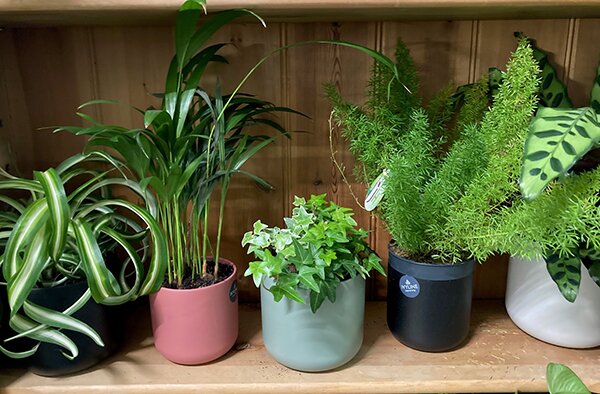
There is no single watering schedule that works for every houseplant. The right frequency depends on the plant, pot, compost, room temperature, light level and time of year.
Instead of watering every Sunday or following a fixed timetable, learn to check whether your plant actually needs water.
The golden rule: check before you water
At Thompson’s we recommend watering when the surface of the compost becomes dry and would advise against watering routinely without checking first. Plants in warm rooms generally need water more often than plants in cooler conditions.
Push a finger a few centimetres into the compost. If it feels damp, wait. If it feels dry and the plant's care requirements call for watering, water thoroughly.
How often should common houseplants be watered?
As a rough starting point:
• Tropical foliage plants often need watering when the upper layer of compost has dried.
• Succulents and cacti generally prefer the compost to dry more thoroughly between waterings.
• Flowering plants may have different requirements while in bloom.
• Newly repotted plants may need different attention while they establish.
Always check the individual plant's needs rather than treating these as fixed schedules.
Signs your plant may need water
• Wilting or drooping leaves
• Dry, hard compost
• Brown, crispy leaf edges
• Leaves becoming limp or curling
• A pot that feels unusually light
Wilting can also be caused by overwatering, so do not automatically add more water. Check the compost first. Wilting, brown crispy edges and leaf drop are possible signs of underwatering, while overwatering can also cause wilting and yellowing.
Signs you may be overwatering
• Compost remains wet for long periods
• Yellowing leaves
• Soft or collapsing growth
• A musty smell from the compost
• Poor root health
• Water sitting in the outer pot or saucer
Good drainage is essential. Containers should have drainage holes so excess water can escape.
How to water a houseplant
When your plant needs water:
1. Check the compost.
2. Use room-temperature water where possible.
3. Water the compost thoroughly rather than giving only a tiny splash.
4. Allow excess water to drain away.
5. Empty standing water from an outer pot or saucer if appropriate.
6. Return the plant to its normal position.
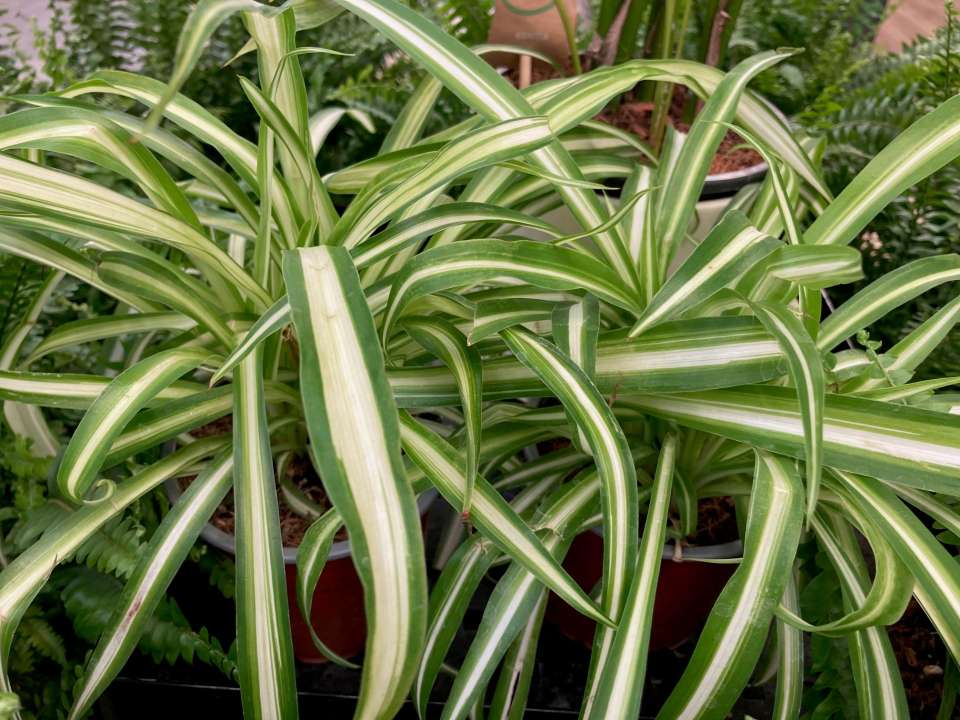
Should you water houseplants from the top or bottom?
Either method can work depending on the plant and pot. Top watering is simple and allows you to wet the compost thoroughly. Bottom watering can be useful for some plants, but the compost should not be left permanently saturated.
What about winter?
Many houseplants grow more slowly in autumn and winter, particularly when light levels fall. They may therefore use less water. Central heating can make indoor air drier, but dry air does not automatically mean the compost needs more water.
Check the compost and the plant rather than increasing watering simply because the heating is on.
How can you avoid watering mistakes?
Choose pots with drainage holes, use suitable compost and position plants according to their light requirements. Grouping plants can help with humidity, while keeping plants away from radiators and cold draughts can reduce stress.
Thompson's Garden Centre recommends watering according to each plant's requirements and avoiding overwatering. The best watering routine is not a calendar. It is a habit of checking. Learn what your plant's compost feels like when it is ready for water, understand its natural requirements and adjust your routine as conditions change.
Related Thompson's guides
• Houseplant Care
• Houseplants for Low Light
• Houseplants for Direct Sun
• Houseplants for Beginners