
Plants for Clay Soils
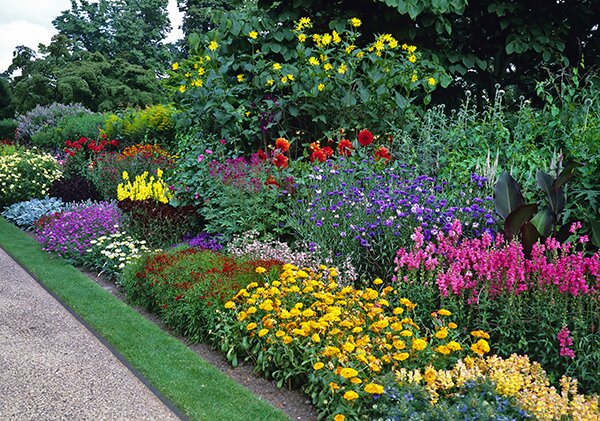
Many gardeners groan when they discover their garden sits on heavy clay soil, but clay isn't necessarily a problem. In fact, clay soils are often rich in nutrients and can support a wide range of beautiful plants. While clay can become waterlogged in winter and hard during dry summer periods, choosing the right plants can transform a challenging site into a thriving garden.
Whether you're creating a cottage garden, wildlife border, or low-maintenance landscape, there are plenty of perennials and shrubs that flourish in clay soil conditions.
Why Clay Soil Can Be an Advantage
Clay particles are extremely small, allowing the soil to retain moisture and nutrients more effectively than sandy soils. Once established, many plants benefit from the consistent moisture available in clay. The key is selecting species that tolerate heavier conditions and ensuring new plants are planted carefully with plenty of organic matter.
Best Perennials for Clay Soil
- Persicaria amplexicaulis (Mountain Fleece)
One of the most reliable perennials for clay soil, Persicaria produces long-lasting spikes of red, pink, or white flowers from midsummer well into autumn. It forms attractive clumps of foliage and performs exceptionally well in both sunny and partially shaded locations.
Height: 90–120cm
Flowering Period: July to October
Best For: Long-lasting colour and pollinator-friendly borders
- Hemerocallis (Daylily)
Daylilies are tough, adaptable perennials that thrive in a wide range of conditions, including heavy clay. Their strappy foliage creates structure while the vibrant flowers provide weeks of summer interest.
Height: 45–90cm
Flowering Period: June to August
Best For: Low-maintenance gardens and colourful borders
- Japanese Anemone
Japanese anemones bring elegant late-season colour when many other plants have finished flowering. Their delicate pink or white blooms dance above attractive foliage and they establish well in moisture-retentive clay soils.
Height: 90–120cm
Flowering Period: August to October
Best For: Cottage gardens and autumn displays
- Astilbe
For damp or partially shaded clay soils, Astilbe is hard to beat. Its feathery flower plumes rise above fern-like foliage and provide excellent texture in mixed borders.
Height: 45–90cm
Flowering Period: June to August
Best For: Shaded gardens and damp areas
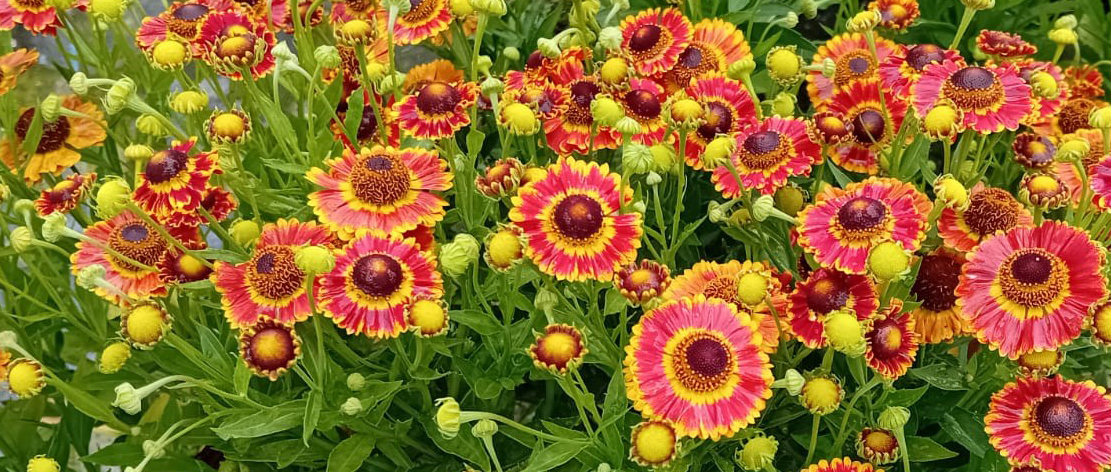
- Helenium
Helenium offers a dazzling display of warm reds, oranges, and yellows during late summer. It thrives in moisture-retentive soils and attracts a wide range of pollinating insects.
Height: 90–150cm
Flowering Period: July to September
Best For: Wildlife-friendly borders
- Ligularia
Known for its bold foliage and striking yellow flower spikes, Ligularia is ideal for clay soils that remain consistently moist. It creates a dramatic focal point in partially shaded borders.
Height: 120–180cm
Flowering Period: July to September
Best For: Damp gardens and architectural planting
- Sedum (Hylotelephium)
Sedums are surprisingly tolerant of clay provided drainage is reasonable. Their succulent foliage and late-season flower heads provide valuable nectar for bees and butterflies.
Height: 30–60cm
Flowering Period: August to October
Best For: Pollinator gardens and autumn interest
Best Shrubs for Clay Soil
- Cornus (Dogwood)
Dogwoods are among the best shrubs for heavy soils. While they offer attractive foliage and flowers during the growing season, they are most valued for their vibrant red, orange, or yellow stems in winter.
Height: 1.5–3m
Interest: Colourful winter stems
Best For: Winter gardens and wildlife planting
- Viburnum
Viburnums are versatile shrubs that provide year-round interest through flowers, berries, fragrance, and autumn colour. Most species cope exceptionally well with clay soil conditions.
Height: 1.5–4m depending on variety
Interest: Flowers, berries, and seasonal colour
Best For: Mixed shrub borders
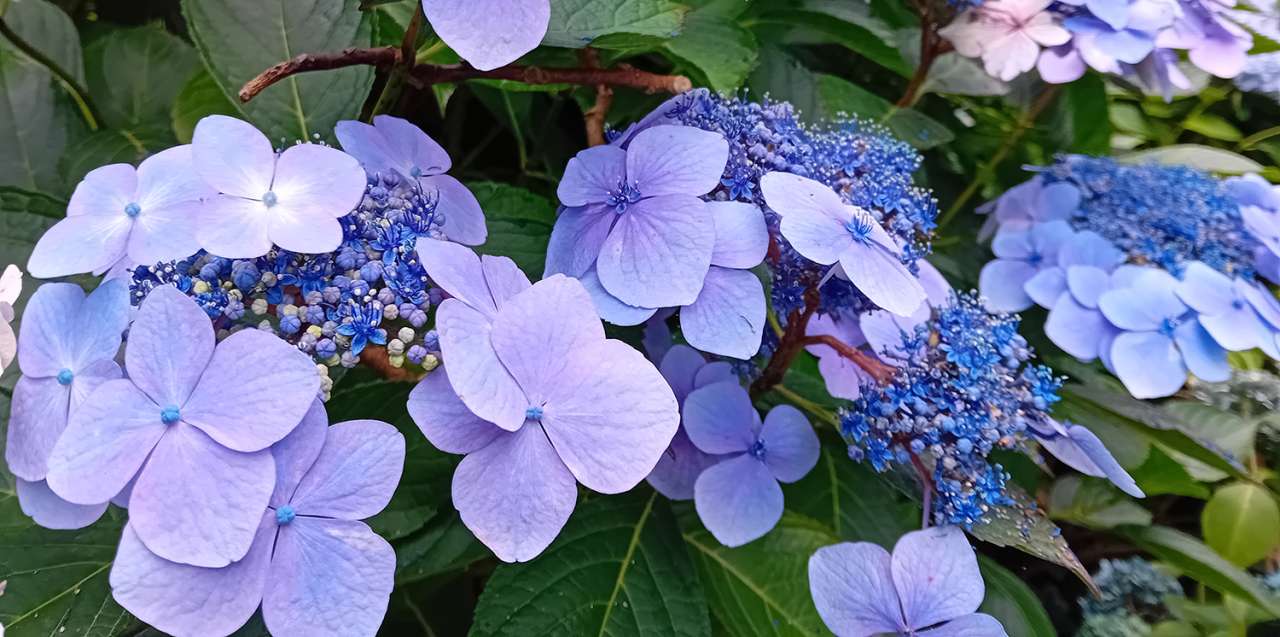
- Hydrangea
Hydrangeas appreciate moisture-retentive soils and often perform beautifully in clay. Their large flower heads provide months of colour and make excellent cut flowers.
Height: 1–2m
Flowering Period: July to September
Best For: Shady borders and statement planting
- Philadelphus (Mock Orange)
Philadelphus is a traditional garden favourite grown for its highly fragrant white flowers. It is easy to grow and adapts well to heavier soils.
Height: 2–3m
Flowering Period: June to July
Best For: Fragrance and cottage gardens
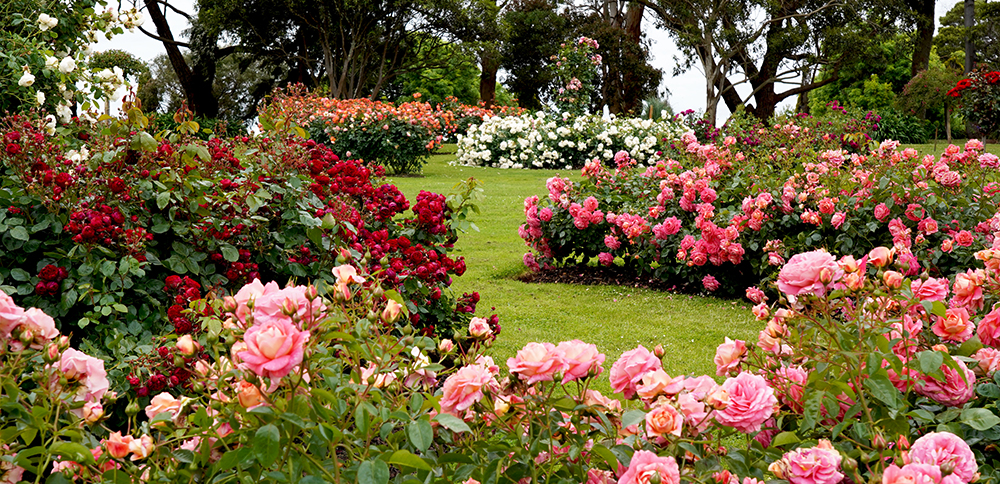
- Rose
Many gardeners are surprised to learn that roses often thrive in clay soil. The nutrient-rich conditions support strong growth and abundant flowering when drainage is adequate.
Height: Varies by variety
Flowering Period: June to October
Best For: Traditional and formal gardens
- Mahonia
Mahonia offers evergreen structure along with fragrant yellow flowers during winter and early spring. It is highly tolerant of difficult conditions, including heavy clay.
Height: 1–3m
Flowering Period: November to March
Best For: Winter colour and wildlife support
Tips for Gardening on Clay Soil
- Add plenty of well-rotted compost or organic matter when planting.
- Avoid working clay soil when it is wet, as this can damage its structure.
- Mulch annually to improve soil condition over time.
- Choose plants suited to the natural conditions rather than constantly trying to change the soil.
- Consider raised beds if drainage is extremely poor
Choosing the Right Plants for Clay Soils
Clay soil may require a little patience, but it is far from a gardening disaster. By selecting plants that naturally thrive in heavier conditions, you can enjoy vibrant flowers, attractive foliage, and year-round interest with relatively little effort. Perennials such as Persicaria, Daylilies, and Japanese Anemones, combined with dependable shrubs like Dogwood, Viburnum, and Hydrangea, will create a beautiful and resilient garden that makes the most of your soil's natural strengths. Shop now at Thompson's Garden Centres, where you'll find all the plants you need for your clay soil garden.
Shop Plants for Clay Soil