
January Garden Checklist
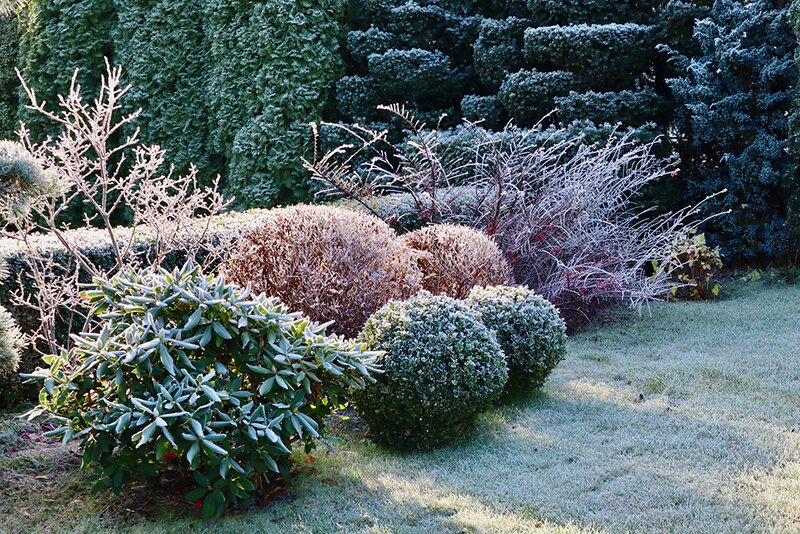
January marks the start of a brand-new gardening year. With colder temperatures, frosty mornings and shorter days, the garden may seem quiet, but there are still plenty of jobs to keep you busy outdoors. It's an ideal time to protect plants from winter weather, prepare for the growing season ahead and make plans for the months to come.
Although growth is generally slower during January, a little care and preparation now can make a big difference when spring arrives. From pruning dormant trees and shrubs to planting bare-root plants and looking after garden wildlife, our January gardening checklist will help you make the most of your garden throughout the winter months.
January Gardening Checklist: Essential Jobs for the Month
1. Protect Plants from Frost
January is often one of the coldest months of the year, so protecting vulnerable plants from frost should be a priority.
Move tender plants in pots into a greenhouse, conservatory or sheltered position where possible. For plants that need to remain outdoors, use horticultural fleece to provide extra insulation during particularly cold spells.
Remember to protect:
- Tender perennials and exotic plants.
- Citrus plants and tender patio plants.
- Young plants and newly planted shrubs.
- Plants in containers that are more vulnerable to freezing temperatures.
It's also worth wrapping pots with hessian, bubble wrap or other insulating materials to help protect roots from the cold. Raise containers off the ground using pot feet to improve drainage and prevent waterlogging.
2. Look After Your Lawn
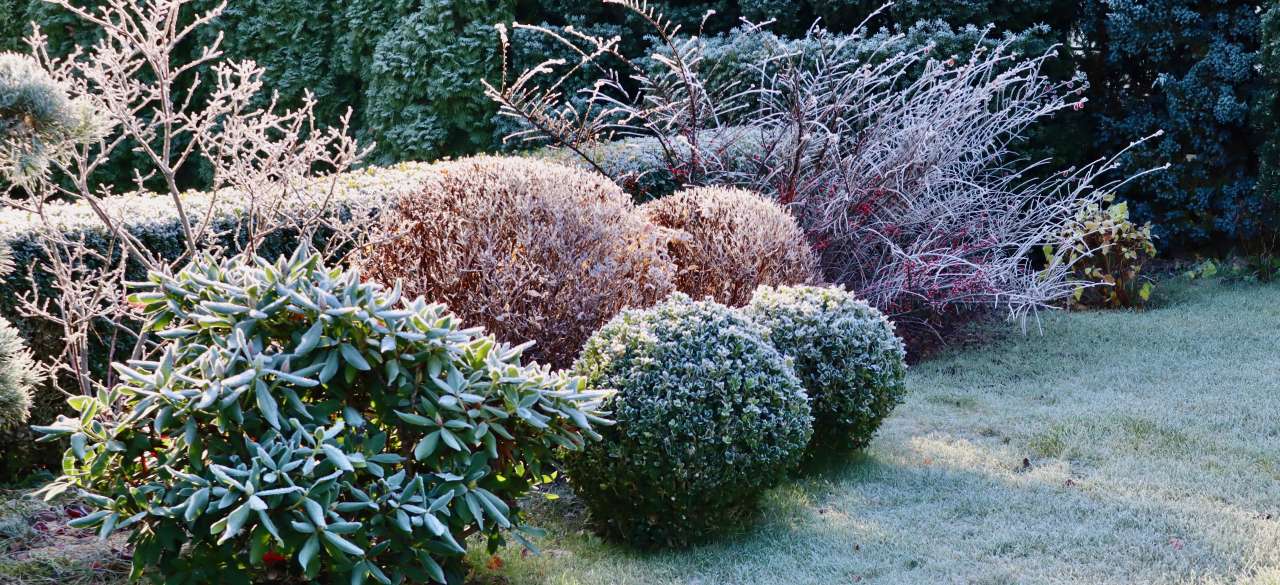
Lawns generally require very little attention during January, but there are a few things you can do to keep yours in good condition.
Avoid mowing when the grass is wet, frosty or frozen, as this can damage the lawn and compact the soil. Instead, concentrate on removing fallen leaves, twigs and other debris to allow light and air to reach the grass. Try to avoid walking on waterlogged or frosty lawns wherever possible, as this can cause damage and leave unsightly marks.
If you notice moss developing, make a note to tackle it when conditions improve in spring.
3. Prune Dormant Trees and Shrubs
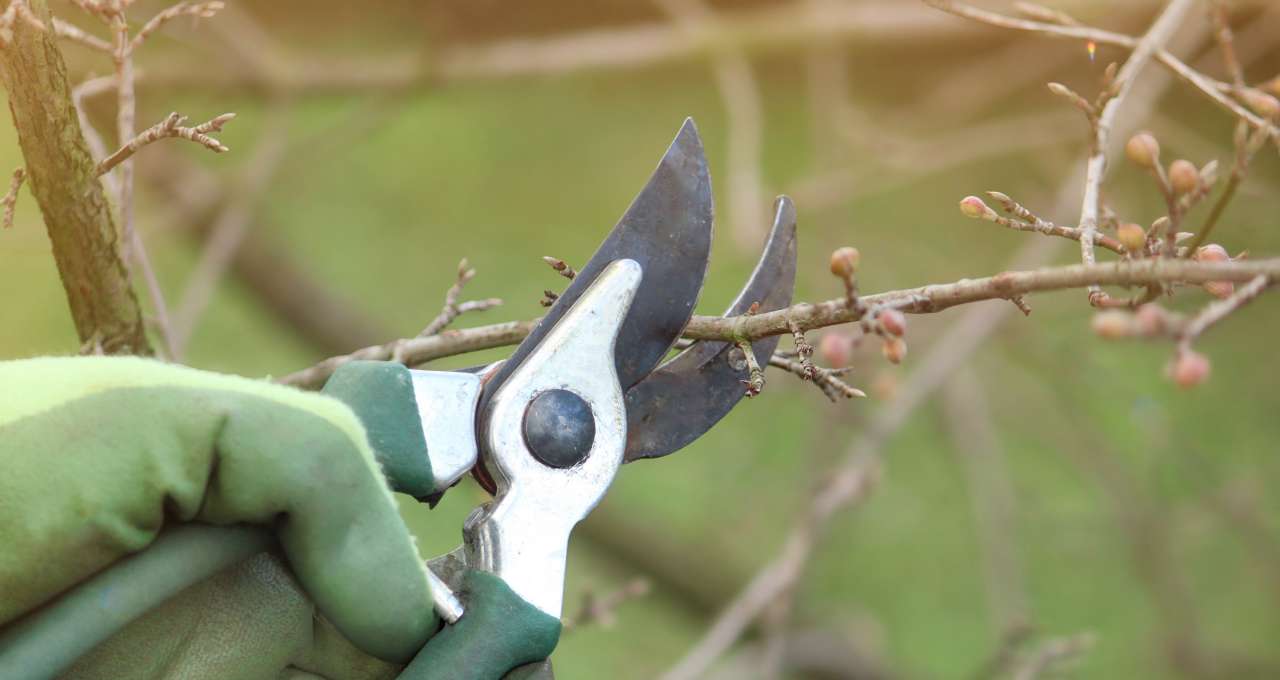
January is a good time to prune many deciduous trees and shrubs while they are dormant and have lost their leaves. Remove dead, damaged or diseased branches, and tidy up any crossing or overcrowded growth. This will help maintain a healthy shape and encourage strong growth when the growing season begins. You can also prune established apple and pear trees during their dormant period to maintain their shape and encourage a good crop of fruit.
Avoid pruning stone fruit trees, such as cherries and plums, during winter, as this can increase the risk of disease. These are generally best pruned during the warmer months.
4. Mulch Your Garden Borders
Adding a layer of mulch to your flower beds and borders is a great way to protect your garden during winter.
Spread well-rotted compost, leaf mould or organic mulch around established plants to help insulate roots, improve soil structure and retain moisture. Mulching also helps suppress weeds and gradually adds nutrients to the soil as it breaks down.
Before applying mulch, remove any persistent weeds and make sure the ground isn't frozen or waterlogged. Avoid piling mulch directly against plant stems or tree trunks, as this can encourage rotting.
5. Check and Clean Garden Tools
January is an excellent time to give your gardening tools some attention before the busy spring season begins.
Clean soil and plant debris from spades, forks, trowels and other equipment. Sharpen pruning tools and apply a light coating of oil to metal surfaces to help prevent rust. Check that your lawnmower and other garden machinery are clean and in good working order. If anything needs repairing or replacing, now is a good time to get it sorted before you need it again.
6. Keep on Top of Weeds
Although weed growth slows during winter, some hardy weeds will continue to appear whenever conditions allow.
Take advantage of milder, dry days to remove weeds from borders, patios, paths and driveways. Removing them before they become established will help reduce the amount of work required in spring. Be careful when working around dormant plants, as their roots may be close to the surface.
7. Prepare Your Greenhouse for Spring
January is a good opportunity to get your greenhouse ready for the growing season ahead.
Remove old plant debris, clean pots and seed trays, and wash greenhouse glass to allow as much natural light as possible to reach your plants. Check that doors and vents are working properly and inspect heaters and insulation if you are overwintering tender plants. If you have a heated greenhouse or propagator, you can also start planning your first sowings of the year.
What to Plant in January
Although January isn't the busiest planting month, there are still plenty of opportunities to add new plants to your garden and get a head start on the growing season.
As long as the ground isn't frozen or waterlogged, January is a particularly good time to plant dormant bare-root plants, fruit trees and certain vegetable crops.
1. Plant Trees and Shrubs
January is an excellent time to plant trees, shrubs and hedging plants while they are dormant.
Consider planting:
- Fruit trees such as apples, pears and plums.
- Ornamental trees such as silver birch and rowan.
- Hedging plants such as hawthorn, beech and privet.
- Flowering shrubs such as roses and dogwood.
Choose a suitable position, prepare the soil with plenty of organic matter and water thoroughly after planting.
Avoid planting when the ground is frozen, excessively wet or difficult to work.
2. Plant Winter Bedding Plants
Winter doesn't have to mean a garden without colour. There are plenty of hardy bedding plants that can brighten up containers, window boxes and borders throughout January.
Some excellent choices include:
- Winter pansies.
- Violas.
- Winter-flowering heathers.
- Cyclamen.
- Primroses.
- Ornamental cabbage and kale.
Combine different colours and textures to create attractive displays that will provide welcome interest during the colder months.
Remember to check containers regularly, as winter rain can sometimes cause compost to become waterlogged.

3. Plant Garlic and Autumn Onions
If you haven't already planted garlic and autumn onion sets, January can still be an option during milder spells, provided the soil is well-drained and workable.
Plant garlic cloves individually, pointed end upwards, approximately 5cm deep and around 15cm apart.
Onion sets should be planted with their tips just showing above the soil surface.
Choose a sunny, open position and avoid heavy, waterlogged soil, as this can cause bulbs to rot. In particularly cold or exposed gardens, planting may be better delayed until conditions improve.
4. Sow Broad Beans
January is a good time to get an early start on growing your own vegetables.
Broad beans can be sown directly outdoors in milder parts of the UK, provided the soil is not frozen or waterlogged. In colder areas, sow them in pots or modules under cover and plant them outside once conditions improve.
Hardy varieties such as 'Aquadulce Claudia' are particularly suitable for autumn and winter sowing.
Autumn and winter-sown broad beans can establish strong roots before spring, helping to produce an earlier crop.
5. Plant Fruit Bushes
January is still a good time to plant many soft fruit bushes while they are dormant.
Consider adding:
- Blackcurrants.
- Redcurrants.
- Gooseberries.
- Raspberries.
- Blackberries.
Choose a sunny position with well-drained soil and incorporate plenty of organic matter before planting.
Water plants in well after planting and apply a layer of mulch around the base to help protect the roots.
Getting fruit bushes established during winter gives them plenty of time to develop strong roots before the growing season begins.
6. Start Sowing Seeds Indoors
If you're keen to get a head start on the vegetable garden, January is a good time to start sowing certain seeds indoors.
With the help of a heated propagator or a warm, bright windowsill, you can begin sowing:
- Chillies.
- Aubergines.
- Early tomatoes (particularly with suitable heat and light).
- Sweet peppers.
- Early salad leaves.
Always check the instructions on seed packets for recommended sowing temperatures and timings.
Remember that seedlings need plenty of light to grow strong and healthy. Avoid sowing too early if you don't have enough warmth and natural light available.
Winter Garden Maintenance: Preparing for the Months Ahead
January is the perfect time to tackle some of those general maintenance jobs that can easily be overlooked during the busier gardening seasons.
Check Garden Fences and Structures
Winter weather can put considerable pressure on fences, sheds, pergolas and other garden structures.
Check fence panels, posts, gates and trellises for loose fittings or damage, particularly after strong winds. Make any necessary repairs before the weather improves and the garden becomes busier.
It's also worth checking climbing plants and making sure they are securely attached to their supports.
Look After Garden Wildlife
During January, food and shelter can be harder for garden wildlife to find, making your garden an important place for birds, insects and other visitors.
- Help wildlife through the winter by:
- Keeping bird feeders topped up with suitable food.
- Providing fresh, unfrozen water.
- Cleaning bird feeders and bird baths regularly.
- Leaving seed heads and hollow plant stems standing.
- Creating log piles in quiet corners of the garden.
- Leaving undisturbed areas where insects can shelter.
Try to avoid unnecessary garden tidying, as fallen leaves, dead stems and natural debris can provide valuable shelter for beneficial wildlife.
Check Garden Pots and Containers
Cold weather can cause problems for plants growing in pots, particularly when compost becomes waterlogged or freezes.
Raise containers off the ground using pot feet or bricks to improve drainage and reduce the risk of waterlogging.
Terracotta and ceramic pots can also crack when moisture inside them freezes and expands, so move vulnerable containers into sheltered positions where possible.
Remove any dead foliage and check that plants aren't sitting in standing water.
Clean Gutters and Water Butts
Winter rainfall can quickly fill gutters and water butts, particularly when fallen leaves and other debris have built up.
Check gutters for blockages and remove any accumulated leaves to help rainwater drain away properly.
Empty and clean water butts if necessary, and check that outdoor taps and pipes are protected against freezing temperatures.
Make the Most of Your January Garden
Although January is often one of the coldest and quietest months in the gardening calendar, there is still plenty to do to keep your garden healthy and looking its best.
From planting trees and shrubs to pruning dormant plants, protecting tender varieties and preparing your greenhouse for spring, January is all about getting organised and laying the foundations for the year ahead.
Taking the time to complete these essential January gardening jobs will help protect your plants throughout winter and ensure your garden is ready to burst into life when warmer weather arrives.
So wrap up warm, make the most of any milder days and start the new gardening year as you mean to go on.
Happy gardening!