
Why are my Houseplant Leaves Turning Yellow?
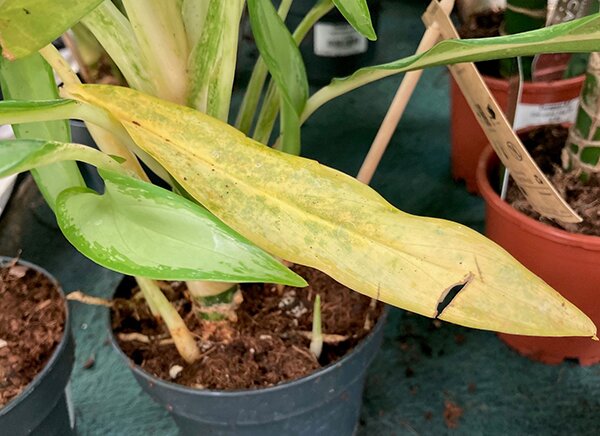
Yellow leaves are one of the most common signs that a houseplant is unhappy. The good news is that a yellow leaf does not automatically mean your plant is dying. In many cases, a small change to watering, light, temperature or feeding can help the plant recover.
Before reaching for fertiliser or watering again, take a close look at the plant, its compost and where it is positioned. Different plants have different needs, so always consider the plant variety as well as the symptoms.
Overwatering
Overwatering is one of the most common causes of yellow leaves. If the compost stays wet for too long, roots can become stressed and, in severe cases, damaged. Yellowing may be accompanied by wilting, despite the compost being wet.
Check the compost before watering. If it is still damp, wait rather than adding more water. Make sure the pot has drainage holes and that excess water can escape.
Underwatering
A plant that is consistently too dry can also develop yellow leaves. You may notice crispy brown edges, wilting or leaves dropping from the lower part of the plant.
Check the compost a few centimetres below the surface. If it is very dry, give the plant a thorough drink and allow excess water to drain away.
Too little light
Plants need light to photosynthesise. If a plant is kept in a position that is too dark, growth can become weak and leaves may pale or yellow.
Move the plant gradually to a brighter position suited to its variety. Remember that bright indirect light is not the same as strong, direct sunshine.
Too much direct sunlight
Some houseplants can suffer leaf scorch when exposed to strong sunlight, particularly through glass. Yellow, bleached or brown patches can appear.
If your plant prefers indirect light, move it away from the strongest midday sun or filter the light with a sheer curtain.
Natural ageing
An occasional older, lower leaf turning yellow is often completely normal. Plants naturally shed older leaves as they produce new growth.
If the plant otherwise looks healthy and only an occasional old leaf is affected, there may be nothing to worry about.
Feeding problems
Houseplants growing in the same compost for a long time can eventually use up available nutrients. Poor growth and pale foliage can be signs that a plant needs feeding or fresh compost.
Feed during active growth using a fertiliser suitable for the plant, following the instructions on the product. Avoid assuming that more fertiliser is better.
Temperature, draughts or other stress
Sudden changes in temperature, cold draughts and unsuitable positions can stress houseplants. Plants placed close to radiators may also suffer from hot, dry air.
Try to keep the plant in a stable position away from cold draughts and direct heat sources.
How to diagnose yellow leaves
Ask yourself:
• Is the compost wet or dry?
• Does the pot have drainage holes?
• Has the plant recently moved?
• Is it receiving the right amount of light?
• Are several leaves affected or just one older leaf?
• Can you see pests on the leaves or stems?
• Has the plant been fed recently?
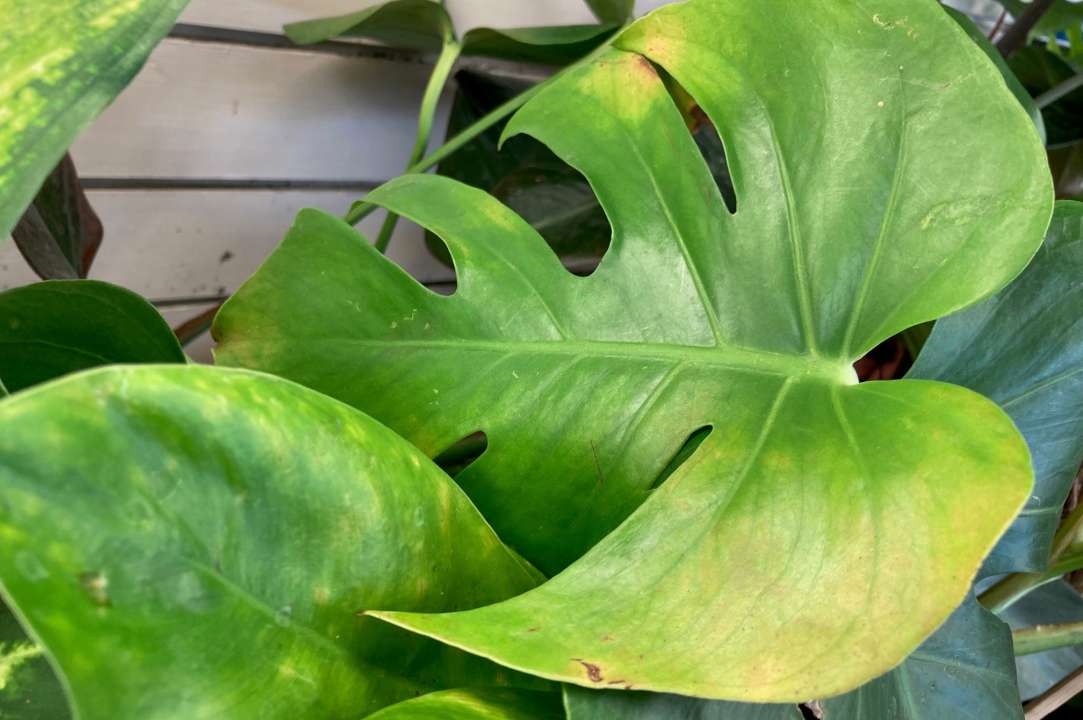
Yellowing leaves can have several causes, including too much or too little water, excessive shade, temperature changes, draughts and nutrient problems.
When should you remove a yellow leaf?
A completely yellow or damaged leaf will not turn green again. Once you have addressed the underlying problem, you can remove badly affected leaves with clean scissors or secateurs. Keep mostly green leaves where possible because they are still contributing to the plant.
Preventing yellow leaves
The best prevention is to match the plant to its growing conditions. Check its light requirements, use a suitable pot and compost, provide drainage and water according to need rather than on an automatic timetable.
Thompson's Garden Centre can also help you choose houseplants to suit your home, including the available light and how much care you want to provide. Our team can offer advice when you buy.
Related Thompson's guides
• Houseplant Care
• Houseplants for Low Light
• Houseplants for Direct Sun
• Houseplants for Beginners
Yellow leaves are a symptom rather than a diagnosis. Check the compost, light, temperature, roots and overall growing conditions before changing your care routine. With the right adjustment, many struggling houseplants can recover and produce healthy new growth.