
How to Prepare Your Lawn for Winter
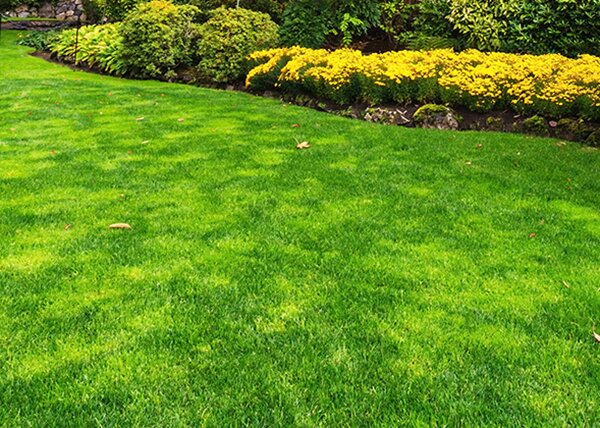
Autumn is the time to give your lawn a little extra attention before the colder, wetter months arrive. After a busy summer, lawns can be left with compacted soil, bare patches, moss, thatch and areas of worn grass. Autumn provides an excellent opportunity to deal with these problems while the soil is still relatively warm and there is usually more moisture available.
At Thompson's, we believe good lawn care is about understanding what your lawn actually needs rather than simply applying treatments because the calendar says it's time. So, before winter arrives, take a look at your lawn and work out where it needs a helping hand.
Why is autumn important for lawn care?
Grass growth naturally slows as temperatures fall, but autumn is still an important growing period for lawns. The combination of warm soil and increased rainfall can provide good conditions for grass to recover from summer wear and establish before winter. This makes early autumn particularly useful for jobs such as repairing bare patches, improving drainage, removing excessive thatch and dealing with moss. It is also the time when falling leaves become an important consideration. Left on the grass for too long, a thick covering of leaves can restrict light and airflow.
The aim isn't to make your lawn look perfect throughout winter. It's to put it into the best possible condition before winter arrives.
Start with a lawn health check
Before reaching for the lawn rake, scarifier or fertiliser, spend five minutes looking at the lawn. Walk around the garden and look for the following.
Is the grass thin?
Thin grass may simply be the result of summer wear, but it can also indicate poor growing conditions, compaction, shade or a lack of nutrients.
Are there bare patches?
These are particularly common around areas used by children and pets, under garden furniture and along frequently used routes across the lawn.
Is there a lot of moss?
Moss is common in UK gardens, particularly where conditions are damp, shaded or poorly drained.
Does the soil feel hard?
If the lawn receives a lot of foot traffic, the soil may have become compacted. This can make it difficult for air and water to reach the grass roots.
Does water sit on the lawn after rain?
Persistent puddling could indicate compaction or drainage problems that need addressing.
Once you've identified the problem, you can concentrate on the treatment that will actually help.
1. Keep mowing your lawn
Don't stop mowing simply because autumn has arrived. If the grass is still growing, it will still need cutting. As temperatures fall, growth will slow and you'll naturally need to mow less frequently. Avoid cutting the lawn too short. A slightly higher cut is useful as autumn progresses, and cutting off too much of the grass at once can put unnecessary stress on the plant. The most important rule is to avoid mowing when the ground is saturated or when the grass is covered in frost. If the mower leaves deep tracks in the soil, conditions are probably too wet.
Good autumn mowing is about knowing when not to mow.
2. Clear leaves regularly
Falling leaves are part of autumn, but a thick layer shouldn't be allowed to sit on your lawn for weeks. Leaves can block light from reaching the grass and create a damp layer across the surface. Rather than waiting until all the leaves have fallen, remove them little and often. A lawn rake is ideal for smaller gardens, while a leaf blower or collection mower can make the job easier on larger areas. And don't throw those leaves away. Collected leaves can be used to make leaf mould, which can be a valuable addition to the garden.
Top tip: If your lawn sits beneath mature trees, expect leaf clearing to become a regular autumn job rather than a one-off task.
3. Decide whether your lawn needs scarifying
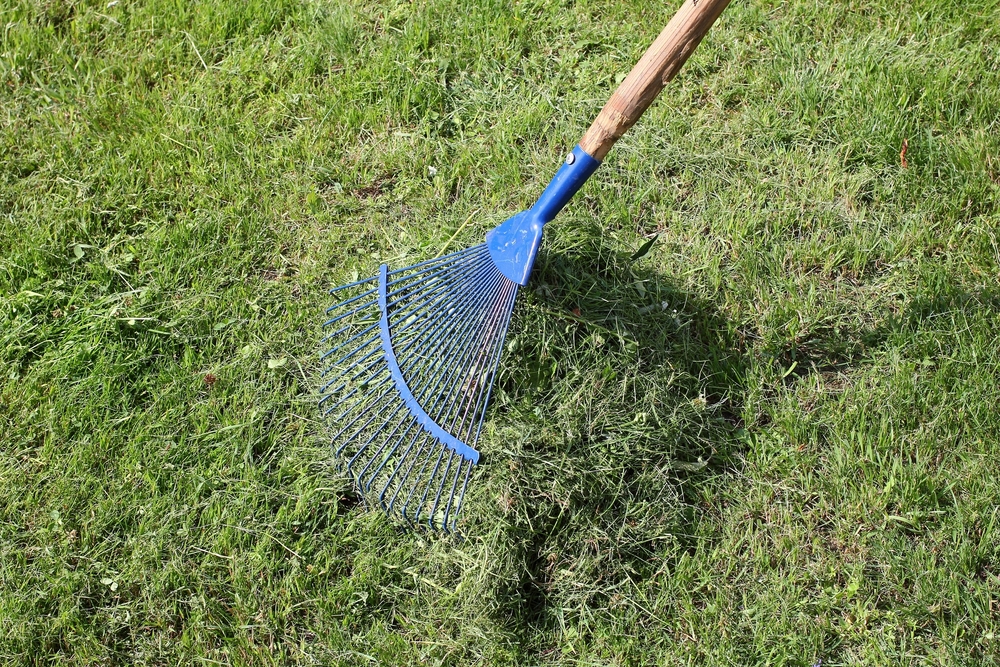
Scarifying is useful for removing moss, dead grass and accumulated organic material from the surface of a lawn. But here's the important bit: Not every lawn needs scarifying every autumn. If the grass is healthy and you can easily see the soil between the blades, aggressive scarification may do more harm than good. If moss and thatch have built up significantly, however, scarifying can open up the surface and give healthy grass more room to grow. For smaller lawns, a spring-tine lawn rake can be surprisingly effective. For larger lawns, a powered scarifier will make the job considerably quicker. Don't be alarmed if the lawn looks rough after scarifying. Removing moss and thatch can leave the grass looking thin at first. Given suitable conditions, the lawn should have an opportunity to recover.
4. Aerate compacted soil
Compaction is one of the less obvious problems affecting domestic lawns. You may notice it around:
- Children's play areas
- Frequently used paths
- Dog exercise areas
- Garden furniture
- Washing lines
- Gates and entrances
- Heavy clay soils
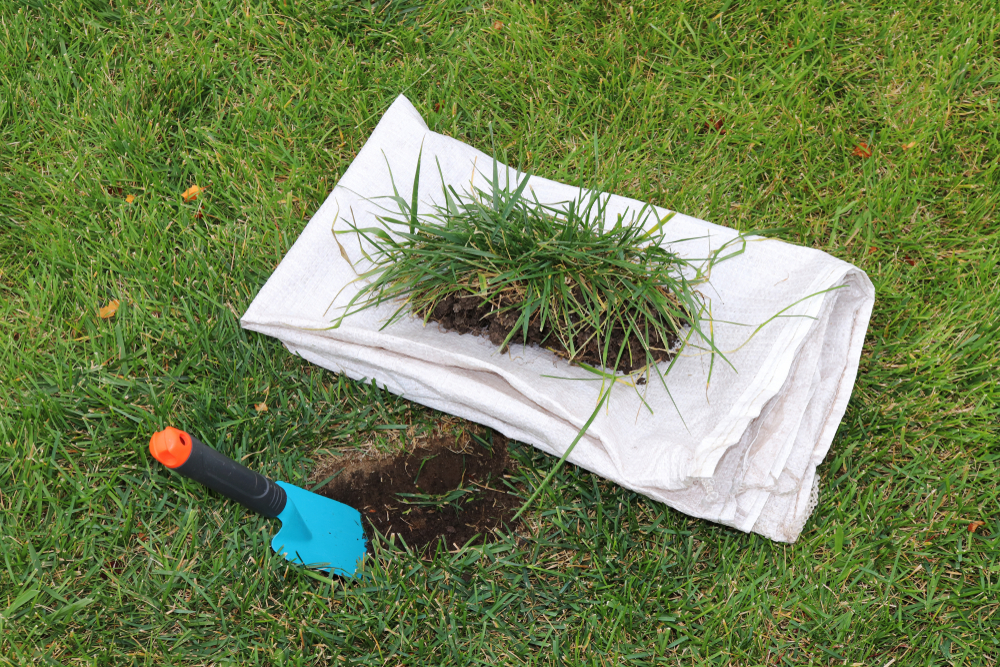
When soil becomes compacted, there is less space for air and water around the roots. Aeration creates channels through the soil, helping improve the movement of air and water. For a small lawn, a garden fork can be used to aerate particularly compacted areas. For larger lawns or heavily compacted ground, hollow-tine aeration can be a more effective option because it removes small plugs of soil. Don't aerate a waterlogged lawn. Wait for a suitable spell of weather when the soil is workable but not saturated.
5. Repair bare patches
Autumn is an excellent time to repair areas of lawn damaged during summer. Small bare patches can be reseeded once the soil has been prepared. Start by removing dead material and loosening the surface. Apply suitable lawn seed and keep the area moist while the new grass establishes. For larger damaged areas, turf may be a quicker solution. The important thing is not to leave bare soil exposed unnecessarily. Once established, grass provides useful ground cover and helps create a more consistent lawn.
6. Give your lawn an autumn feed if it needs one
A lawn that has been through a demanding summer may benefit from an autumn lawn feed. However, feeding should be considered part of the solution — not an automatic autumn ritual. Choose a product specifically formulated for autumn use and always follow the application instructions. Thompson's stock dedicated autumn lawn-care products, including Evergreen Autumn Lawn Care, which is formulated to support the lawn ahead of winter and includes moss control. When applying any lawn treatment, pay close attention to the conditions. For example, the product guidance advises applying when the soil is damp, the grass is dry and conditions are frost-free, while avoiding prolonged dry periods and heavy rain.
More fertiliser doesn't mean a better lawn. Follow the recommended application rate.
7. Don't ignore moss
Moss can be frustrating, particularly in damp UK gardens. But killing moss isn't necessarily the whole answer. Ask why it is there.
- Is the lawn heavily shaded?
- Is the soil compacted?
- Does water sit on the surface?
- Has a layer of thatch developed?
- Is the grass itself weak?
Improving the growing conditions can make the lawn less favourable to moss in the longer term. Scarifying can remove existing moss, while aeration can help address compaction. Where shade is the underlying problem, however, it may be worth accepting that the area will always be more challenging. Sometimes the right answer is to choose a more shade-tolerant lawn mixture or embrace a slightly more natural-looking area rather than continually trying to make it behave like a sunny lawn.
8. Improve drainage before winter
Autumn and winter rain can expose drainage problems very quickly. If water consistently collects in the same areas of your lawn, investigate why. Compacted soil is one possible cause, particularly on lawns that receive a lot of traffic. Aeration can help in some situations, while heavy clay soils may benefit from more thorough renovation. However, persistent waterlogging can have more than one cause, so don't simply keep applying lawn products if the underlying drainage issue hasn't been addressed.
9. Be careful with a wet or frosty lawn
British winters aren't always kind to lawns. Walking across saturated ground can cause further compaction and leave muddy tracks. Walking on frosty grass can also damage the grass blades. If there's a route across your lawn that gets used repeatedly during winter, consider adding stepping stones. It is a simple change that can protect the lawn while still allowing easy access around the garden.
10. Know when to stop
This is perhaps the most overlooked part of autumn lawn care. Once temperatures drop and grass growth slows significantly, there is less benefit in continually working on the lawn. Don't feel that you need to scarify, mow, feed, aerate and reseed simply because you've seen a lawn-care checklist online. The best lawn-care programme is the one that responds to the condition of your lawn. Sometimes the best thing you can do is leave it alone.
Your September to November lawn-care plan
If you're wondering what to do and when, this simple guide can help.
September: Assess and repair
September is often an excellent month to start autumn lawn maintenance.
- Inspect the lawn after summer.
- Continue mowing while grass is growing.
- Remove fallen leaves.
- Repair bare patches.
- Scarify if there is excessive moss or thatch.
- Aerate compacted areas.
- Consider an autumn lawn feed if required.
October: Renovate where necessary
October is often the main month for autumn lawn work.
- Continue removing leaves.
- Mow when conditions are suitable.
- Complete scarifying if required.
- Aerate compacted areas.
- Repair remaining bare patches.
- Apply autumn lawn treatment if appropriate.
- Keep an eye on drainage.
November: Protect the lawn
As winter approaches, the focus moves from renovation to protection.
- Keep leaves off the grass.
- Mow only when necessary.
- Avoid walking on saturated ground.
- Avoid walking on frosty grass.
- Keep winter foot traffic to a minimum.
- Let the lawn slow down naturally as temperatures fall.
Autumn lawn care checklist
Before winter arrives, ask yourself:
✓ Is the grass being cut at the right height?
✓ Are fallen leaves being removed regularly?
✓ Does the lawn actually need scarifying?
✓ Are there compacted areas that need aerating?
✓ Do I have bare patches that should be repaired?
✓ Would an autumn lawn feed benefit the grass?
✓ Is moss a symptom of an underlying problem?
✓ Does water drain away properly?
✓ Am I avoiding unnecessary traffic when the lawn is wet or frosty?
If you've answered yes to the important jobs and no to unnecessary treatments, you're well on your way to a healthier lawn next spring.
Get your lawn ready for winter with Thompson's
Autumn is a great time to stock up on everything you need to give your lawn some extra care before winter. Whether you're looking for lawn treatments, fertiliser, seed, tools or a little expert advice, the team at Thompson's is here to help. You'll find us at our four branches: Chislehurst, Newchurch, Petham and Welling. Our friendly teams are always happy to offer advice and help you choose the right products for your garden and lawn.
Not sure what your lawn needs? Just ask. Pop into your local Thompson's branch and speak to a member of the team — we'll be happy to help you get your lawn ready for winter and looking its best for spring.