
How Often Should You Water Your Garden in July
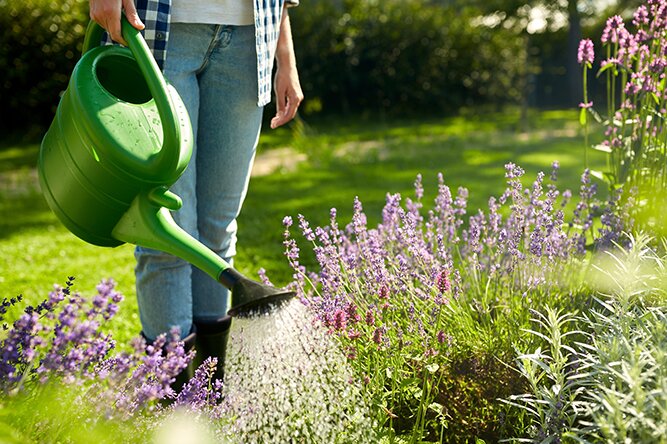
July is often one of the warmest and driest months of the year in the UK, making it a crucial time to keep your garden healthy. Whether you're growing colourful flower beds, a productive vegetable patch, or simply maintaining a lush lawn, watering correctly can make all the difference.
Many gardeners assume that watering every day is the best approach, but that's not always true. In fact, watering too frequently can do more harm than good.
This guide explains how often you should water your garden in July, the best time of day to water, and practical tips to help your plants thrive while conserving water.
How Often Should You Water Your Garden in July?
In most parts of the UK, established garden plants generally need a thorough watering once or twice a week during warm July weather. The goal is to soak the soil deeply rather than giving plants a light sprinkle every day. Deep watering encourages roots to grow further into the soil, making plants stronger and more resilient during dry spells. However, watering frequency depends on several factors:
- Recent rainfall
- Soil type
- Temperature
- Wind conditions
- The type and age of your plants
Newly Planted vs Established Plants
Plants added to the garden this year haven't yet developed extensive root systems and will need watering more frequently. Aim to water every two to three days during dry weather, ensuring the soil stays evenly moist without becoming waterlogged. Established Plants. Once plants have been growing for at least a year, they're usually much more drought tolerant. A deep soak once or twice a week is usually enough unless the weather is exceptionally hot.
Watering Vegetable Gardens
Vegetables often require more attention than ornamental plants because many produce fruits that are largely made up of water.
Pay particular attention to:
- Tomatoes
- Cucumbers
- Courgettes
- Peppers
- Beans
- Lettuce
These crops may require watering every day during prolonged hot spells, especially if they're growing in containers or grow bags. Root crops such as carrots and beetroot generally benefit from one or two deep waterings each week.
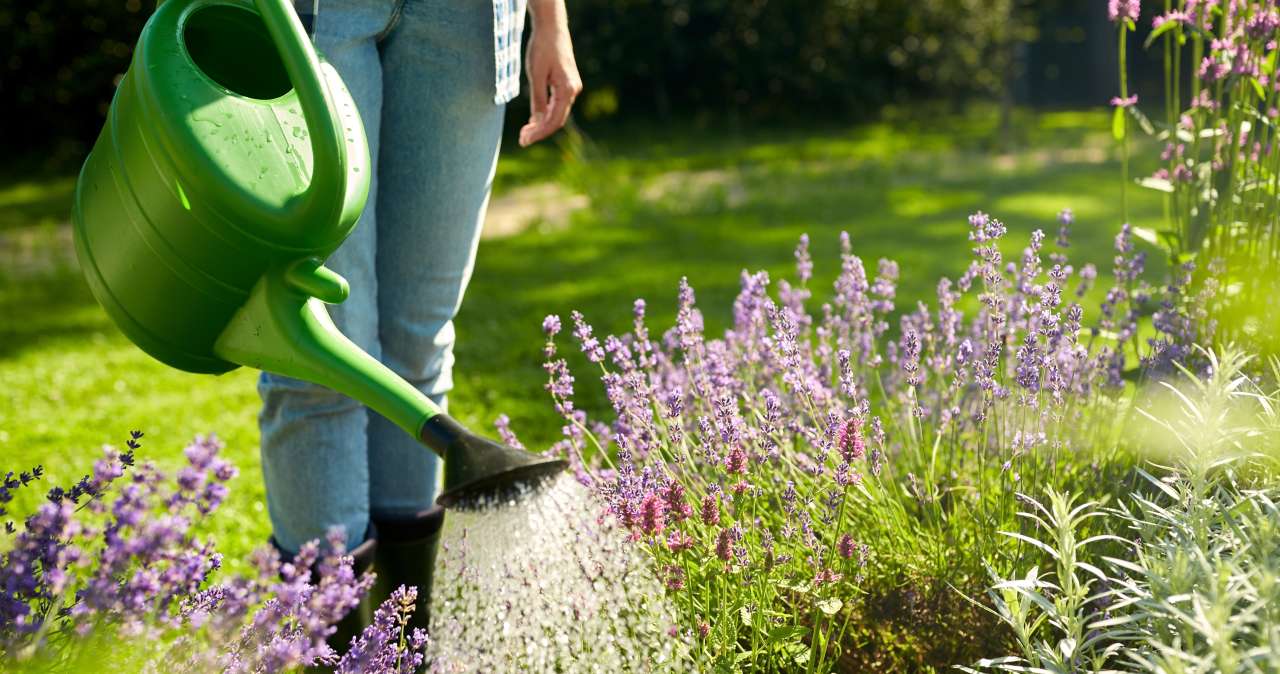
Container Plants Need Watering More Often
Pots, hanging baskets and window boxes dry out much faster than garden borders. During July, you may need to water containers:
- Once a day in warm weather
- Twice a day during heatwaves
- More frequently if pots are in full sun or exposed to wind
Always check the compost before watering. If the top few centimetres feel dry, it's usually time to water.
Lawns in July
A healthy, established lawn usually survives dry weather surprisingly well. Unless your lawn is newly laid, there's rarely a need to water it regularly. Grass often turns brown during hot weather as a natural survival response and usually greens up again when rain returns. If you do choose to water your lawn, do so deeply once or twice a week rather than little and often.
The Best Time to Water
The ideal time to water your garden is early in the morning. Morning watering allows moisture to soak into the soil before temperatures rise, reducing evaporation and giving plants access to water throughout the day. Evening watering is the next best option, although damp foliage overnight can encourage fungal diseases on some plants. Try to avoid watering during the hottest part of the afternoon, as much of the water may evaporate before reaching the roots.
How to Tell if Plants Need Water
Rather than sticking to a strict schedule, check your plants regularly. Signs they need watering include:
- Wilting leaves
- Dry soil several centimetres below the surface
- Drooping stems
- Flowers fading quickly
- Slow growth
A simple finger test works well. Push your finger a few inches into the soil. If it feels dry at that depth, it's time to water.
Watering Tips to Save Water
With hosepipe restrictions occasionally introduced during prolonged dry spells in parts of the UK, using water wisely is increasingly important. Here are some ways to make every drop count:
- Water the soil rather than the leaves.
- Apply water slowly so it can soak in properly.
- Add a layer of mulch around plants to reduce evaporation.
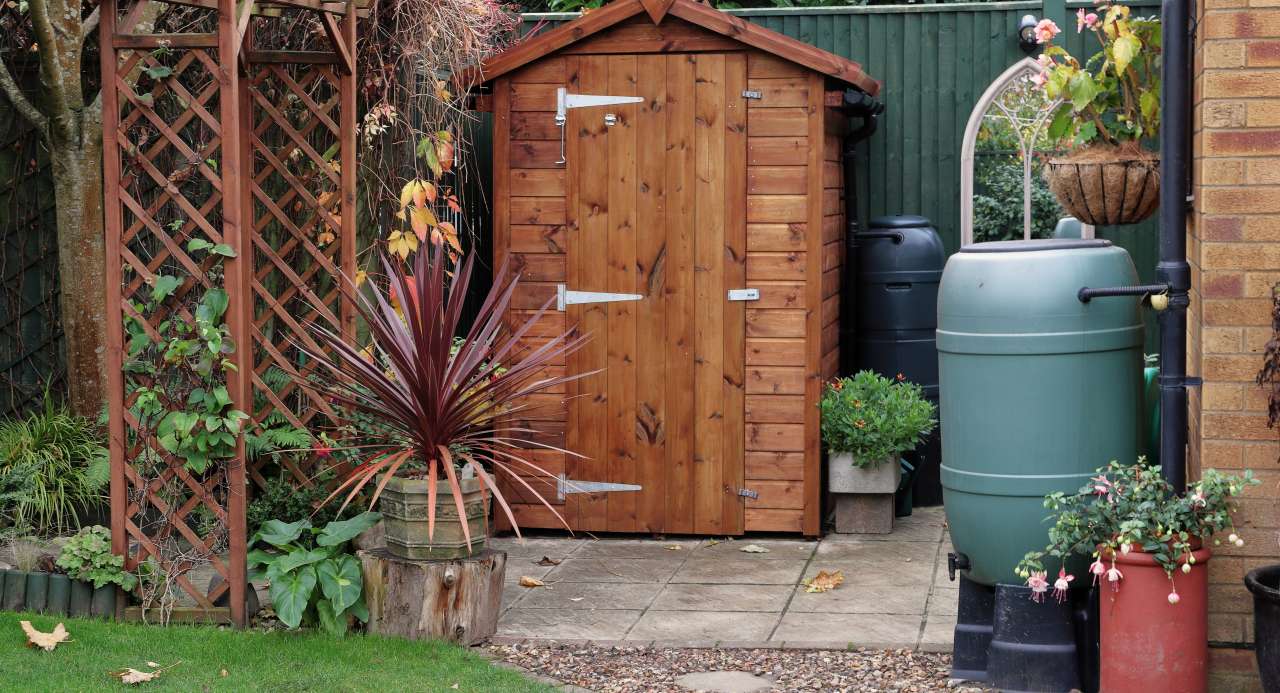
- Collect rainwater in a water butt whenever possible.
- Remove weeds that compete for moisture.
- Group thirsty plants together to make watering easier.
Should You Water Every Day During a Heatwave?
During exceptionally hot weather, some plants—particularly vegetables, hanging baskets and newly planted specimens—may need daily watering. However, mature shrubs, perennial borders and established trees usually cope much better with less frequent, deeper watering. The key is to water according to your garden's needs rather than following a fixed routine.
Frequently Asked Questions
Is it better to water little and often?
No. Deep watering encourages stronger root systems and helps plants become more drought resistant.
Can I water in full sun?
It's better to avoid watering during the hottest part of the day because evaporation is much higher. Early morning is usually the most efficient time.
How long should I water each area?
Aim to thoroughly soak the root zone rather than simply wetting the surface. The exact time depends on your watering method, soil type and water pressure.
Should I water after it rains?
Not necessarily. Check the soil first. Light summer showers often dampen only the surface, while heavier rain may provide enough moisture for several days.
Care For Your Garden and Water Wisely
July is one of the busiest months for gardeners, but effective watering doesn't have to mean spending hours with a hose every day. In most UK gardens, watering deeply once or twice a week is enough for established plants, while vegetables, containers and newly planted specimens often need more frequent attention.
By watering early in the morning, checking the soil before reaching for the watering can, and using mulch to retain moisture, you'll help your garden stay healthy throughout the summer while making the most of every drop of water.