
Best Plants for Dry Soil
Dry soil can present a challenge for gardeners, but it also offers an opportunity to grow a beautiful, low-maintenance garden filled with resilient plants. Whether your garden has sandy soil, sits in a rain shadow, or contains areas beneath mature trees where moisture is limited, choosing the right plants will ensure year-round colour, structure, and wildlife value.
In this guide, we'll explore the best plants for dry soil in the UK, including flowering perennials, evergreen shrubs, ornamental grasses, and practical planting ideas that thrive with minimal watering.
What is Dry Soil?
Dry soil drains quickly and retains very little moisture. It is commonly found in:
- Sandy or gravelly gardens
- South-facing borders exposed to full sun
- Sloping sites where water runs off quickly
- Areas beneath large trees and hedges
- Newly built housing developments with poor-quality topsoil
While many traditional garden plants struggle in these conditions, drought-tolerant species have evolved to cope with low moisture levels and often require less maintenance once established.
Why Choose Plants That Thrive in Dry Soil?
Selecting plants suited to dry conditions offers several advantages:
- Reduced watering during summer
- Lower maintenance requirements
- Better resilience during heatwaves
- Improved support for pollinating insects
- Long-lasting displays with fewer plant losses
As UK summers become warmer and periods of drought become more common, drought-tolerant planting is becoming an increasingly practical choice for gardeners.
Best Perennials for Dry Soil
Perennials provide reliable colour year after year and many Mediterranean species excel in dry conditions.
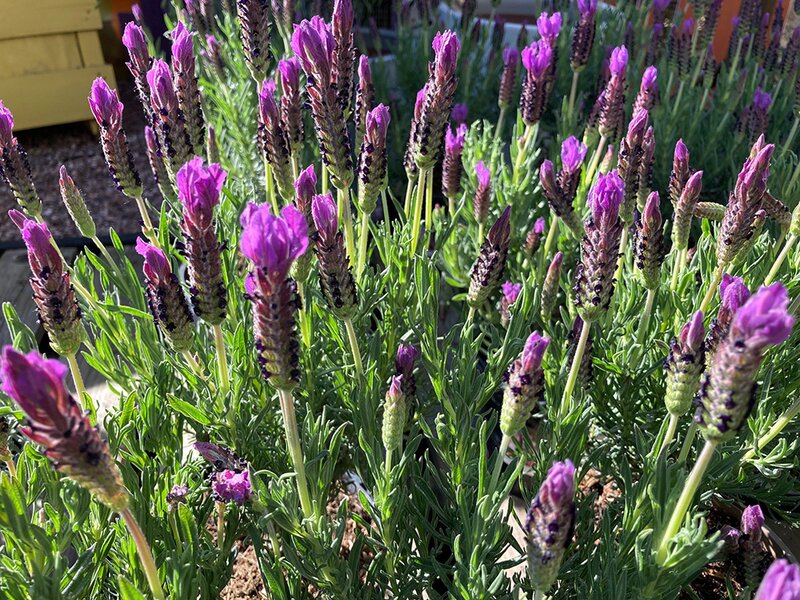
Lavender (Lavandula angustifolia)
Lavender is one of the UK's favourite drought-tolerant plants. Its fragrant foliage, purple flowers, and ability to attract bees make it perfect for sunny borders.
Best for: Full sun, well-drained soil
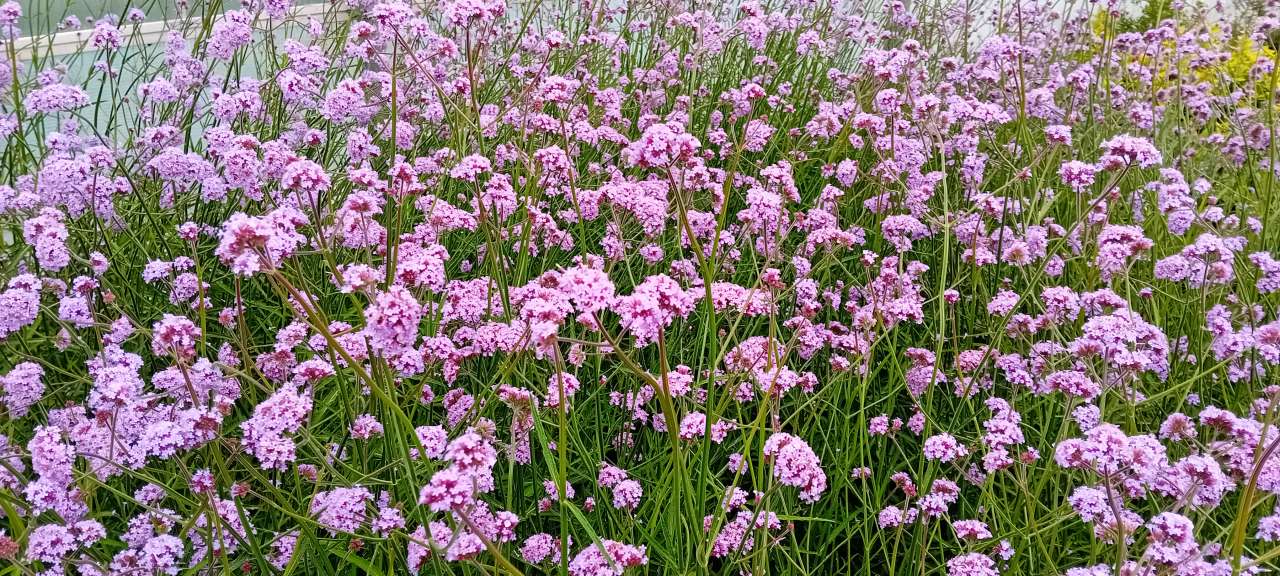
Verbena bonariensis
Tall, airy stems topped with clusters of purple flowers bloom from summer into autumn. It copes remarkably well once established.
Best for: Mixed borders and wildlife gardens
Salvia nemorosa
Salvias produce spikes of blue, purple, pink, or white flowers over a long flowering season.
Popular varieties include: Caradonna
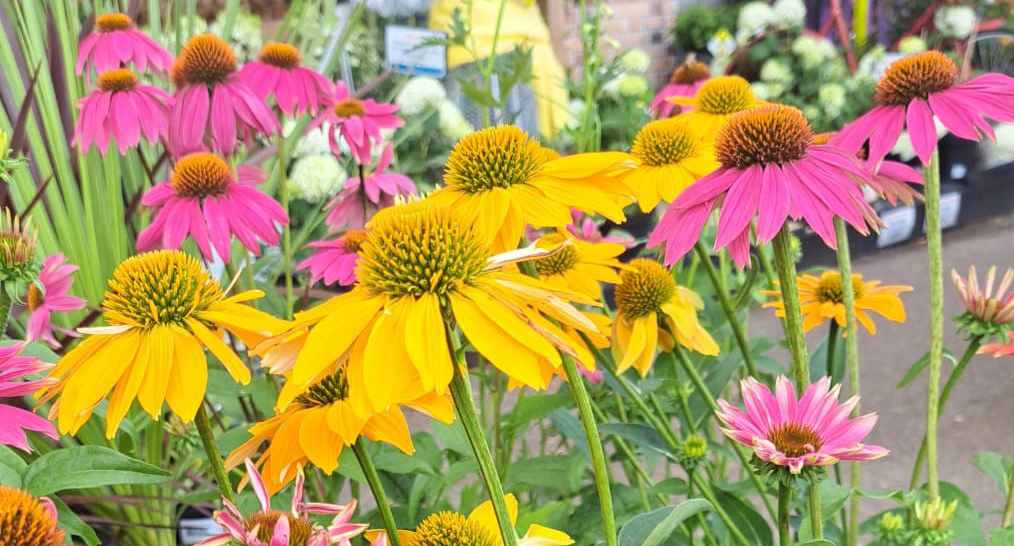
Echinacea (Coneflower)
Large daisy-like flowers provide vibrant colour through summer and attract bees and butterflies.
Flower colours include: Pink, White, Orange, Yellow
Sedum (Hylotelephium)
Also known as stonecrop, sedums store water in their fleshy leaves, making them ideal for dry gardens.
Excellent varieties include: Autumn Joy
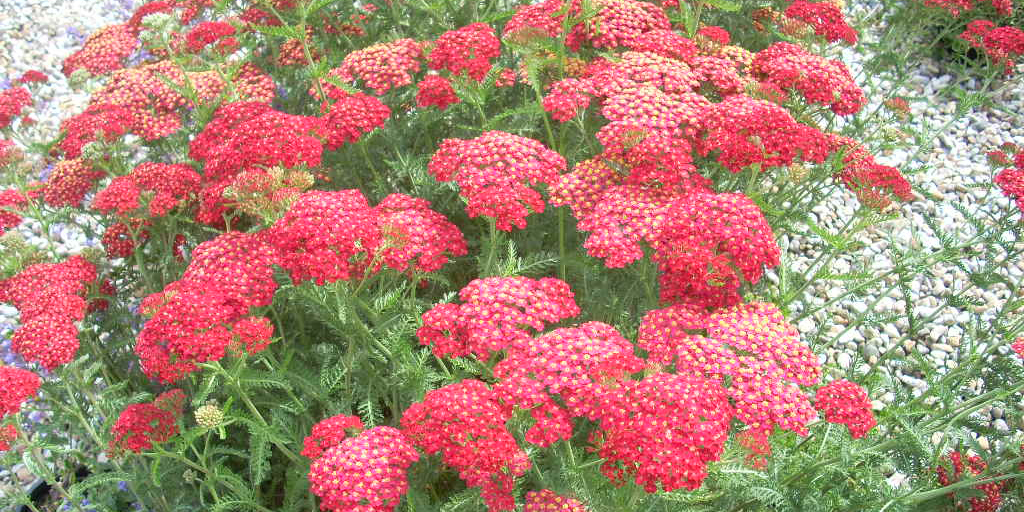
Achillea (Yarrow)
Achillea offers flat flower heads in shades of yellow, red, pink and white above fern-like foliage.
It performs exceptionally well in poor, dry soils.
Nepeta (Catmint)
A reliable cottage garden favourite with long-lasting blue flowers and aromatic foliage.
Ideal alongside roses or paths.
Best Shrubs for Dry Soil
Shrubs provide permanent structure and year-round interest while coping well with drought once established.
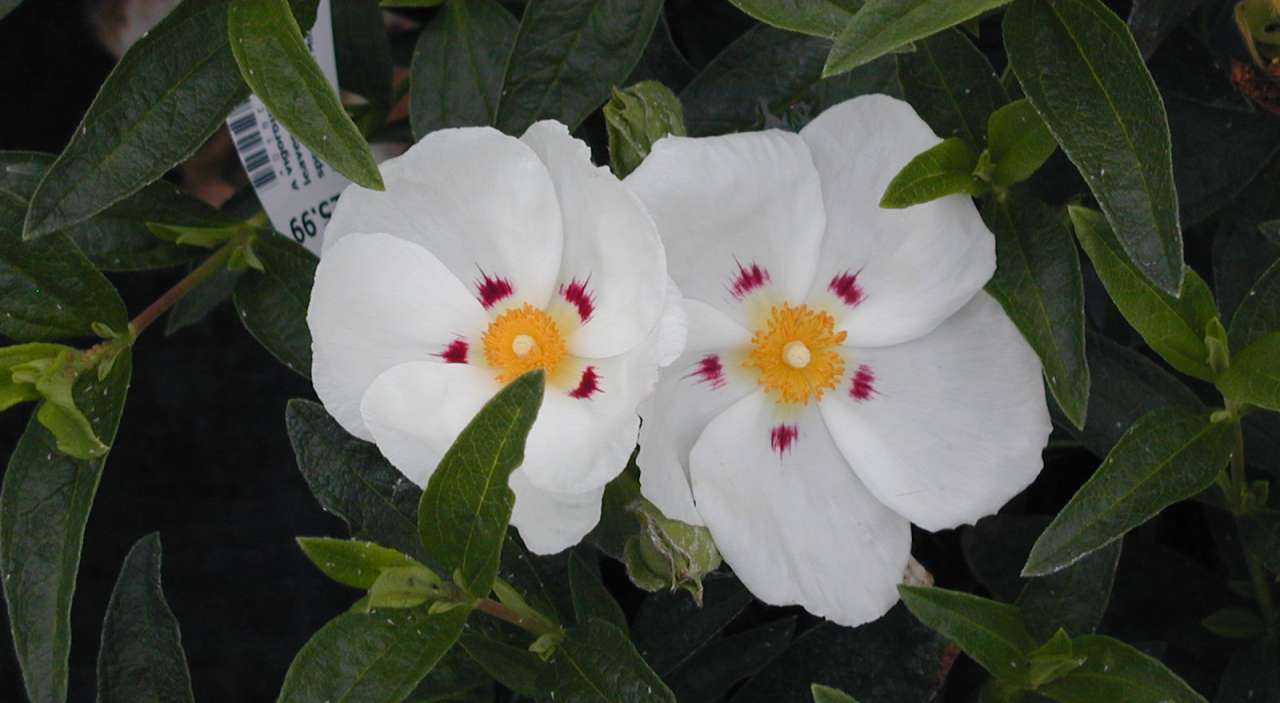
Cistus (Rock Rose)
A Mediterranean evergreen shrub producing masses of papery flowers throughout early summer.
Benefits include:
- Evergreen foliage
- Excellent drought tolerance
- Minimal maintenance
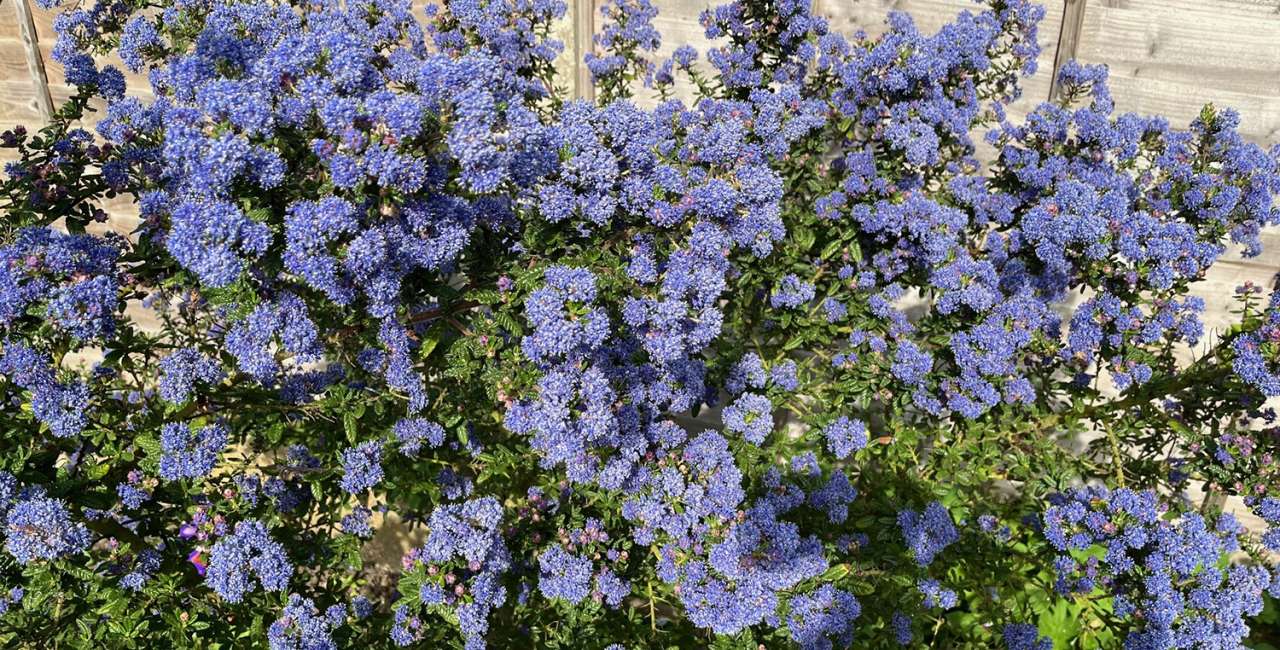
Ceanothus
Known as Californian Lilac, Ceanothus produces stunning blue flowers in spring and early summer.
Many varieties remain evergreen throughout winter.
Rosemary (Salvia rosmarinus)
More than just a culinary herb, rosemary forms an attractive evergreen shrub with blue flowers loved by bees.
Perfect for sunny borders and gravel gardens.
Hebe
Many compact Hebes tolerate dry conditions surprisingly well once established.
Available in: Green foliage, Variegated foliage, Purple foliage, White, pink or purple flowers
Euphorbia
This architectural evergreen provides dramatic lime-green flower heads during spring and thrives in dry soils.
Santolina (Cotton Lavender)
Silvery evergreen foliage combined with yellow summer flowers creates a Mediterranean appearance.
Ideal for edging paths or gravel gardens.
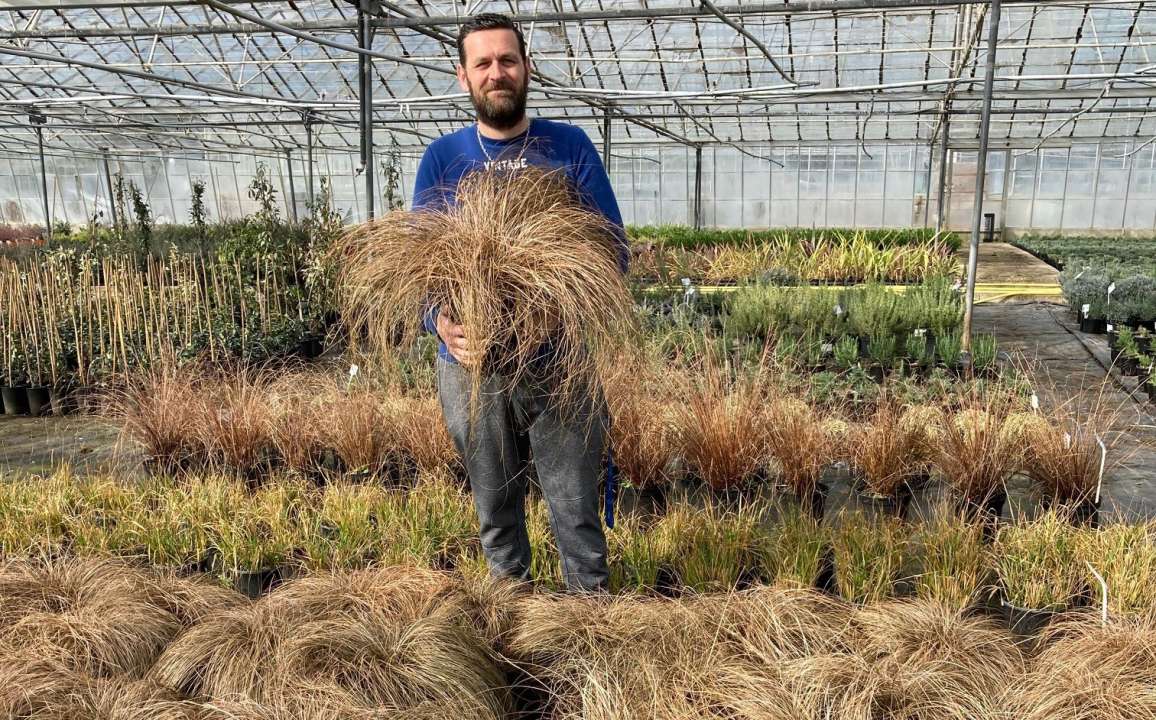
Ornamental Grasses for Dry Soil
Grasses add movement and texture while requiring very little water.
Excellent choices include:
- Stipa tenuissima
- Festuca glauca
- Miscanthus sinensis
- Pennisetum alopecuroides
These combine beautifully with flowering perennials for a naturalistic planting style.
Planting Combinations for Dry Soil
Successful dry borders combine contrasting shapes, colours and textures.
Example Shrub Planting
1 × Ceanothus
3 × Lavender
3 × Santolina
2 × Cistus
This creates evergreen structure with prolonged flowering from spring through late summer.
Example Perennial Planting
5 × Salvia nemorosa
3 × Echinacea
5 × Nepeta
3 × Achillea
This combination offers colour from May until October while attracting bees and butterflies throughout the season.
Recommended Planting Scheme for a Sunny Dry Border
For a border measuring approximately 3 metres by 2 metres, start by positioning one evergreen Ceanothus towards the back as the main structural feature. Add two Cistus shrubs at either end to provide balance and spring flowering. In front of these, plant drifts of Lavender and Nepeta to create a fragrant edging that softens the border. Through the middle, weave groups of Salvia nemorosa, Verbena bonariensis, and Echinacea for height and long-lasting summer colour. Finish with pockets of Sedum 'Autumn Joy' and Achillea towards the front, where their late-season flowers will extend interest into autumn. This planting scheme delivers year-round structure, months of colour, excellent drought resistance, and valuable nectar for pollinators while requiring very little irrigation once established.
Tips for Planting in Dry Soil
To give your plants the best possible start:
- Plant during autumn or early spring when soil moisture is higher.
- Incorporate organic matter before planting to improve moisture retention.
- Water thoroughly during the first growing season.
- Apply a gravel or bark mulch to reduce evaporation.
- Avoid overfeeding, which can encourage weak, thirsty growth.
Frequently Asked Questions
What plants grow best in dry soil?
Some of the best plants for dry soil include lavender, salvia, verbena, sedum, achillea, nepeta, ceanothus, cistus, rosemary, santolina, and ornamental grasses such as Stipa tenuissima.
Can I create a colourful garden in dry soil?
Absolutely. Many drought-tolerant plants provide long flowering seasons, fragrant foliage, attractive seed heads, and evergreen structure, allowing dry gardens to remain colourful from spring through autumn.
Should I improve dry soil before planting?
Adding compost or well-rotted organic matter helps improve moisture retention during establishment. However, many drought-tolerant plants actually prefer lean, well-drained soils and should not be planted in overly rich ground.
Get Planting Now with The Best Plants for Dry Spoil
Dry soil doesn't have to limit your planting choices. By selecting plants naturally adapted to warm, free-draining conditions, you can create a garden that is attractive, resilient, and easy to maintain. Combining evergreen shrubs, flowering perennials, and ornamental grasses provides year-round interest while reducing the need for regular watering. With thoughtful planning, even the driest areas of a garden can become vibrant, wildlife-friendly spaces that flourish throughout the seasons. Visit us at Thompson's Garden Centre where you'll find all the plants you need for dry soil and drought conditions. Our expert staff are always on hand to offer helpful advice.