
Gardenia jasminoides
Short description
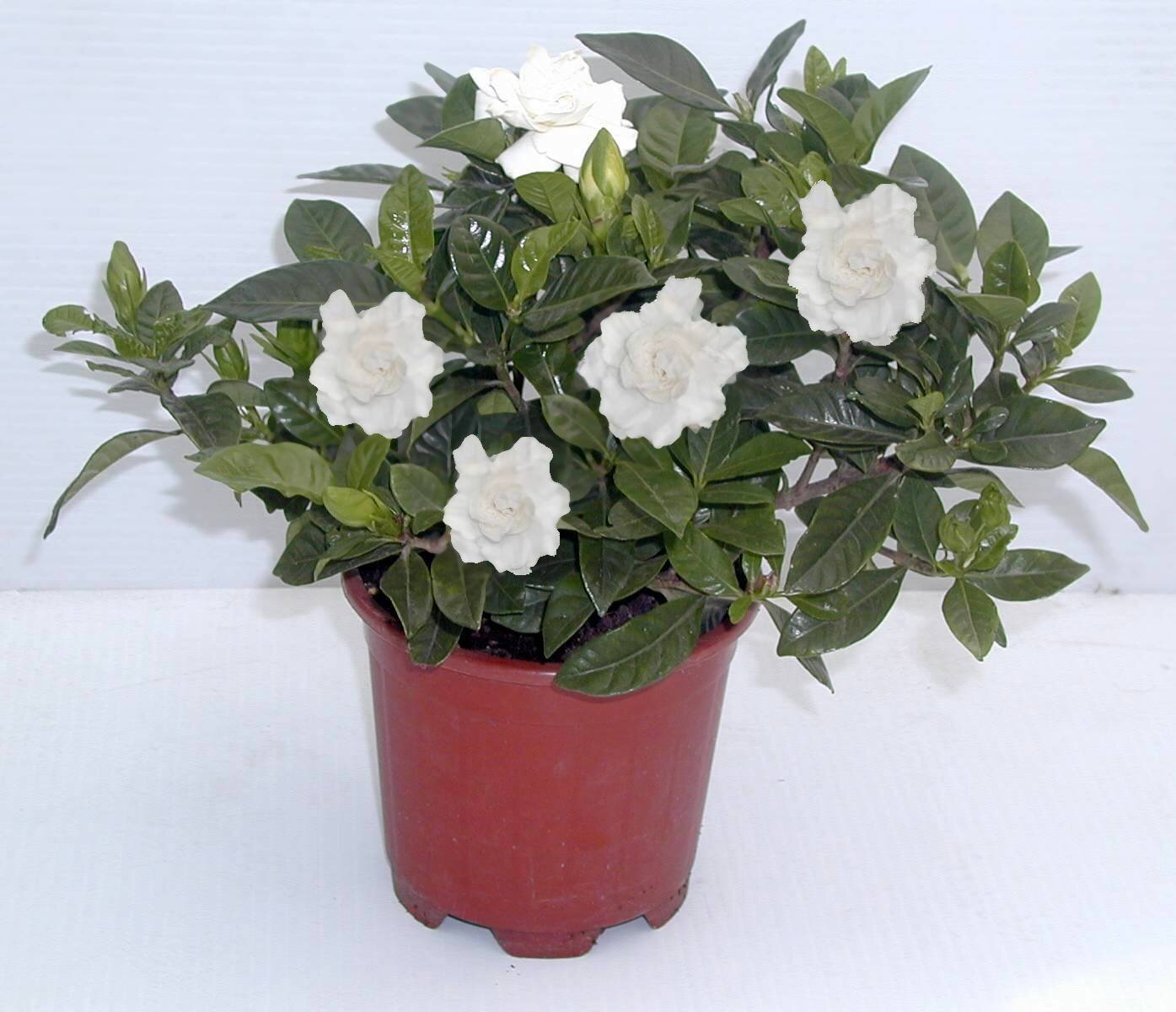
Commonly known as the Gardenia or Cape Jasmine, it's a beautiful houseplant prized for its glossy green foliage and highly fragrant white flowers. With the right light, watering and humidity, it makes a stunning addition to the home.
- Weekday Collection from 4 different locations
- Order by 5 pm for next day collection
- Family-owned since 1977
- Locally grown plants from our very own nurseries
Gardenia jasminoides

Short description
Commonly known as the Gardenia or Cape Jasmine, it's a beautiful houseplant prized for its glossy green foliage and highly fragrant white flowers. With the right light, watering and humidity, it makes a stunning addition to the home.
- Weekday Collection from 4 different locations
- Order by 5 pm for next day collection
- Family-owned since 1977
- Locally grown plants from our very own nurseries
Commonly known as the Gardenia or Cape Jasmine, it's a beautiful houseplant prized for its glossy green foliage and highly fragrant white flowers. With the right light, watering and humidity, it makes a stunning addition to the home.
Gardenia jasminoides (Gardenia)
Gardenia jasminoides, commonly known as the Gardenia or Cape Jasmine, is a beautiful houseplant prized for its glossy green foliage and highly fragrant white flowers. It can be a little more demanding than some houseplants, but with the right light, watering and humidity, it makes a stunning addition to the home.
Where to position
Choose a bright position with plenty of indirect light. Gardenias need good light to flower well, but avoid strong direct sunlight during the hottest part of the day, which can scorch the leaves.
An east- or west-facing window can work well. A little gentle morning or evening sunlight is usually beneficial.
Watering
- Keep the compost evenly moist, but never constantly wet.
- Check the compost regularly and water when the surface feels slightly dry.
- Water thoroughly, allowing excess water to drain away.
- Don't leave the plant sitting in water.
- Try to use rainwater or filtered water if possible, as gardenias can be sensitive to hard water.
- Reduce watering slightly during the cooler, darker months, while avoiding letting the compost dry out completely.
Top watering tip: Gardenias dislike both extremes — try to avoid letting the compost become completely dry or remaining waterlogged for long periods.
Temperature & humidity
Gardenia jasminoides enjoys warm temperatures and relatively high humidity.
Keep away from cold draughts, radiators and sudden changes in temperature. Higher humidity can help prevent brown leaf edges and encourage healthy growth.
A humidifier or a humidity tray can be useful in particularly dry rooms.
Feeding & repotting
Feed every 2–4 weeks during spring and summer with a fertiliser suitable for acid-loving plants, following the instructions on the product.
Gardenias prefer acidic compost, so use an ericaceous or acid-loving plant compost when repotting. Repot when the roots become crowded, preferably in spring, and avoid moving the plant into a much larger pot than necessary.
Common problems
Yellow leaves
Yellowing leaves can be caused by overwatering, poor drainage or a lack of nutrients. Gardenias can also develop yellow leaves if the compost is not acidic enough or if the plant is unable to absorb nutrients properly.
Brown or crispy leaf edges
Often caused by dry air, underwatering or a build-up of salts from hard water or fertiliser.
Flower buds dropping
Gardenias can drop their buds when conditions change suddenly. Low humidity, inconsistent watering, insufficient light, temperature changes or moving the plant can all contribute.
Leaves curling or wilting
Usually indicates that the plant is too dry, although waterlogged roots can also cause wilting by preventing the plant from taking up water effectively.
No flowers
Insufficient light, incorrect feeding, low humidity or unsuitable temperatures can all affect flowering. Gardenias need plenty of bright light and good growing conditions to produce their fragrant blooms.
Top tips
- Give it plenty of bright light: Good light encourages healthy growth and flowering.
- Keep the compost evenly moist: Don't allow it to dry out completely.
- Use suitable water: Rainwater or filtered water can be helpful, particularly in hard-water areas.
- Keep humidity high: Gardenias appreciate more humidity than the average houseplant.
- Use ericaceous compost: Gardenias prefer acidic growing conditions.
- Avoid sudden changes: Moving the plant or changing its conditions can cause flower buds to drop.
- Feed during the growing season: Use a fertiliser formulated for acid-loving plants.
Pet & child safety
Gardenia jasminoides is generally considered non-toxic to cats and dogs, although eating any plant material can cause mild digestive upset. It is still best to keep plants out of reach of pets and young children.
-
EAN code9000007212
- Brand
Collect your Order from one of our sites!
Order and pay online and select the day you would like to collect your order from one of our four sites.
Local deliveries available, please order and pay online for delivery within 5 working days. See our terms & conditions.