
Ficus elastica
Short description
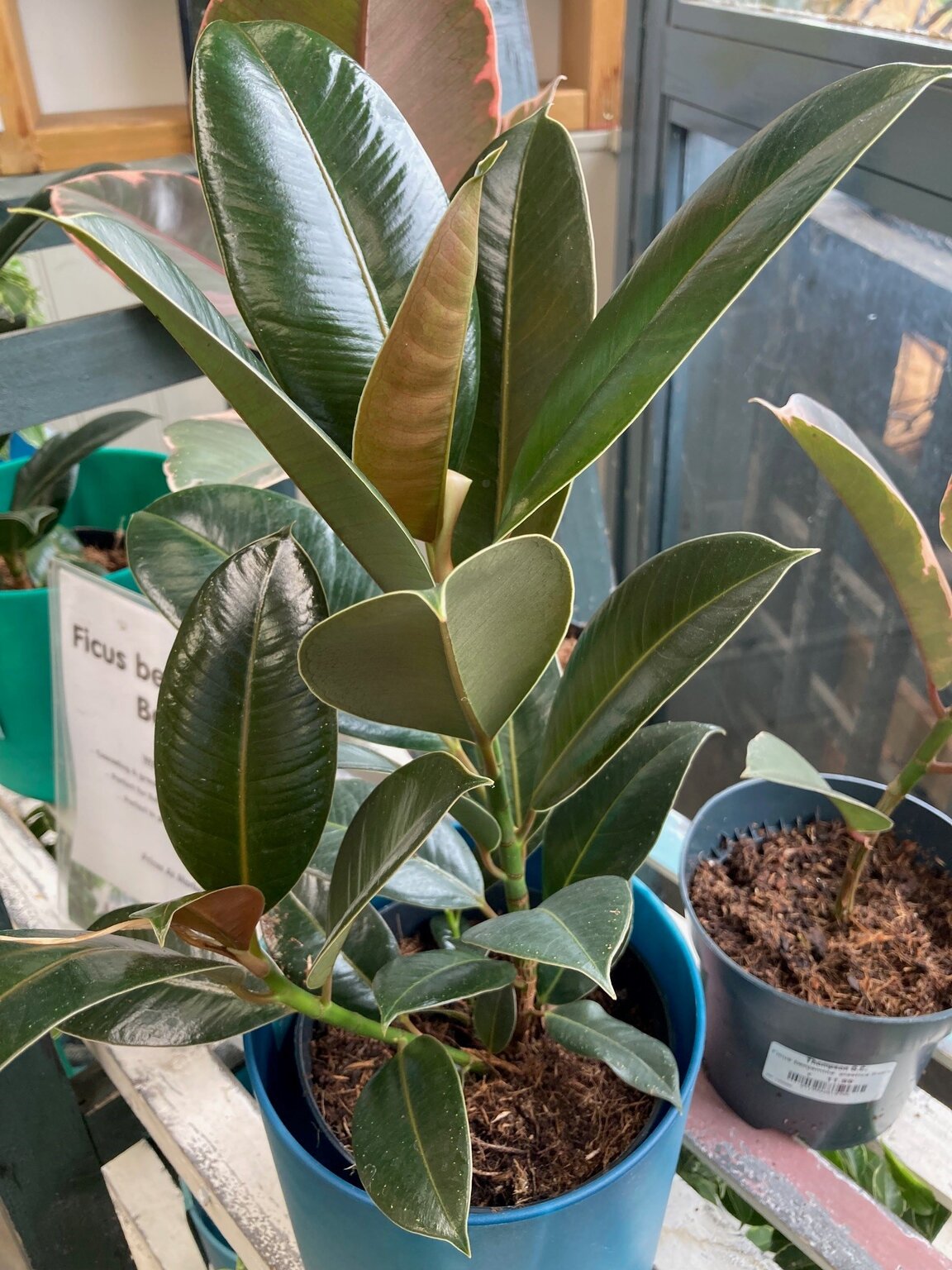
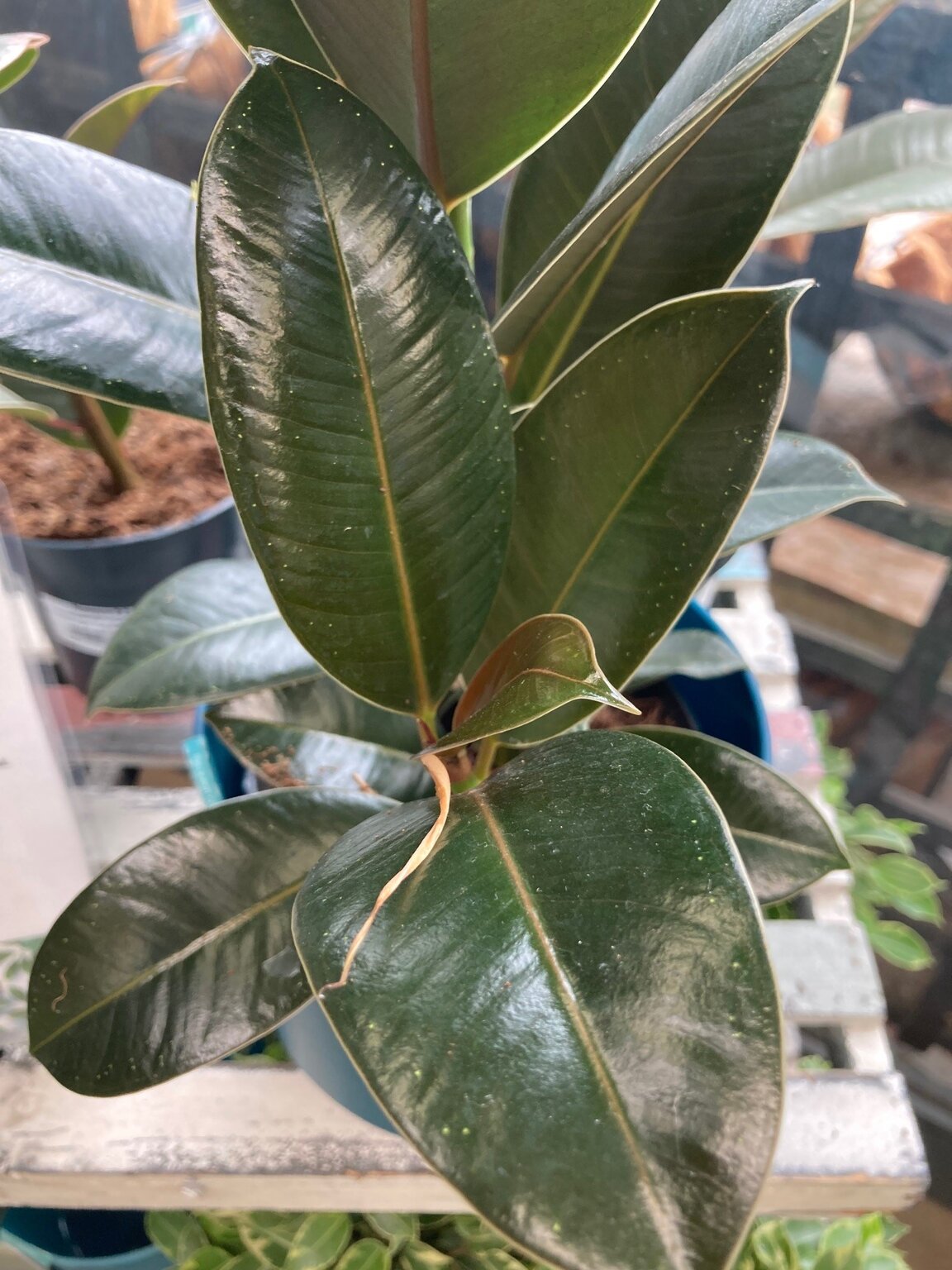
Commonly known as the Rubber Plant, a popular houseplant with large, glossy leaves in shades of deep green, burgundy and variegated patterns. It makes an attractive statement plant and is well suited to bright indoor spaces, with indirect light.
- Weekday Collection from 4 different locations
- Order by 5 pm for next day collection
- Family-owned since 1977
- Locally grown plants from our very own nurseries
Ficus elastica

Short description
Commonly known as the Rubber Plant, a popular houseplant with large, glossy leaves in shades of deep green, burgundy and variegated patterns. It makes an attractive statement plant and is well suited to bright indoor spaces, with indirect light.
- Weekday Collection from 4 different locations
- Order by 5 pm for next day collection
- Family-owned since 1977
- Locally grown plants from our very own nurseries
Commonly known as the Rubber Plant, a popular houseplant with large, glossy leaves in shades of deep green, burgundy and variegated patterns. It makes an attractive statement plant and is well suited to bright indoor spaces, with indirect light.
Ficus elastica
Ficus elastica, commonly known as the Rubber Plant, is a popular houseplant with large, glossy leaves in shades of deep green, burgundy and variegated patterns. It makes an attractive statement plant and is well suited to bright indoor spaces.
Where to position
Choose a bright position with plenty of indirect light. Good light encourages healthy growth and helps variegated varieties maintain their leaf patterns.
Avoid prolonged strong, direct sunlight, particularly through a hot window, as this can scorch the leaves. A spot near an east- or west-facing window can work well.
Ficus elastica can tolerate slightly lower light levels, but growth may become slower and the plant may produce smaller leaves.
Watering
- Allow the top layer of compost to dry out between waterings.
- Check the top few centimetres of compost before watering.
- Water thoroughly when the surface feels dry.
- Allow excess water to drain away completely.
- Avoid letting the plant sit in water.
- Reduce watering during the cooler, darker months.
Top watering tip: Water the compost directly rather than regularly soaking the leaves. If the large leaves become dusty, gently wipe them with a damp cloth to keep them clean and allow them to absorb light effectively.
Temperature & humidity
Ficus elastica prefers warm, stable indoor temperatures and moderate humidity.
Keep away from cold draughts, chilly windows and direct heat from radiators. Avoid sudden changes in temperature, which can cause leaf drop.
Average household humidity is usually suitable, although the plant may benefit from a little extra humidity during very dry indoor conditions.
Feeding & repotting
Feed every few weeks during spring and summer with a balanced houseplant feed.
Repot when the roots become crowded or begin to grow through the drainage holes, using a good-quality, free-draining houseplant compost. Avoid moving it into a pot that is much larger than the existing root ball, as excess compost can retain too much moisture.
Ficus elastica generally prefers to be slightly root-bound rather than sitting in a large amount of wet compost.
Common problems
Brown or crispy leaf edges
Usually caused by dry compost, low humidity, excessive direct sunlight or exposure to cold draughts.
Yellow or soft leaves
Often caused by overwatering or poor drainage. Check that the pot has drainage holes and allow the compost to dry slightly before watering again.
Leaf drop
Can occur following changes in light, temperature, watering or position. Avoid moving the plant frequently and keep conditions as consistent as possible.
Drooping leaves
May indicate that the plant is too dry, although overwatering and root problems can also cause drooping. Check the compost before watering.
Brown patches or scorched leaves
May be caused by strong direct sunlight or cold damage. Move the plant to a bright position with filtered or indirect light and protect it from draughts.
Dusty leaves
The large leaves can collect dust, which can reduce the amount of light reaching the leaf surface. Gently wipe them with a soft, damp cloth when needed.
Top tips
- Bright, indirect light encourages strong, healthy growth.
- Let the top of the compost dry slightly before watering again.
- Avoid waterlogged compost: Good drainage is essential.
- Keep it warm: Protect from cold draughts and sudden temperature changes.
- Clean the leaves: Gently wipe away dust to keep the large leaves looking glossy.
- Don't over-pot: A slightly snug pot can help prevent the compost staying wet for too long.
- Be patient: Ficus elastica can produce new growth slowly, particularly during the darker months.
Pet & child safety
Ficus elastica contains a milky sap that can cause irritation if the plant is chewed or eaten. Keep it away from pets and children and discourage chewing on the leaves.
-
EAN code9000007210
- Brand
Collect your Order from one of our sites!
Order and pay online and select the day you would like to collect your order from one of our four sites.
Local deliveries available, please order and pay online for delivery within 5 working days. See our terms & conditions.