
Aphelandra

Short description
Commonly known as the Zebra Plant, is a striking tropical houseplant with glossy green leaves, distinctive white veins and bright yellow flowers. It makes a beautiful feature plant when given warm, humid conditions.
- Weekday Collection from 4 different locations
- Order by 5 pm for next day collection
- Family-owned since 1977
- Locally grown plants from our very own nurseries
Aphelandra

Short description
Commonly known as the Zebra Plant, is a striking tropical houseplant with glossy green leaves, distinctive white veins and bright yellow flowers. It makes a beautiful feature plant when given warm, humid conditions.
- Weekday Collection from 4 different locations
- Order by 5 pm for next day collection
- Family-owned since 1977
- Locally grown plants from our very own nurseries
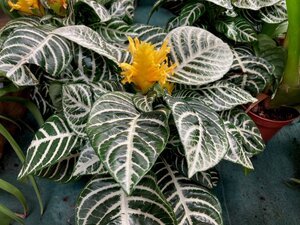
Aphelandra (Zebra Plant)
Aphelandra, commonly known as the Zebra Plant, is a striking tropical houseplant with glossy green leaves, distinctive white veins and bright yellow flowers. It makes a beautiful feature plant when given warm, humid conditions.
Where to position
Choose a bright position with indirect light. Avoid strong, direct sunlight, which can scorch the leaves.
Good light is particularly important if you want to encourage flowering.
Watering
- Keep the compost evenly moist, but never waterlogged.
- Check the compost regularly.
- Water when the surface begins to feel slightly dry.
- Allow excess water to drain away.
- Don't allow the plant to dry out completely.
Top watering tip: Aphelandra can be sensitive to both overwatering and drying out, so try to keep its watering routine consistent.
Temperature & humidity
Aphelandra enjoys warm, humid conditions and can struggle in dry indoor air.
Keep away from cold draughts, radiators and sudden changes in temperature. A humid bathroom or kitchen with good natural light can be an excellent position.
Feeding & repotting
Feed every few weeks during spring and summer with a balanced houseplant feed.
Repot when the roots become crowded, using a good-quality, moisture-retentive but free-draining houseplant compost.
Common problems
Drooping or wilting leaves
The plant may be too dry, although constantly wet compost can also cause root problems.
Brown or crispy leaf edges
Usually associated with low humidity, underwatering or too much direct sunlight.
Leaves turning yellow
Often caused by overwatering or poor drainage.
Flower spike fading
Flowers naturally fade after blooming. Remove spent flowers to keep the plant looking tidy and encourage further growth.
Top tips
- Keep it humid: Dry air can quickly affect the leaves.
- Keep watering consistent: Don't allow the compost to become completely dry.
- Bright but indirect light helps maintain the attractive leaf markings and encourages flowering.
- Keep it warm: Protect it from cold draughts and temperature fluctuations.
Pet & child safety
Aphelandra is generally considered non-toxic to cats and dogs, but it's still best to discourage pets and children from chewing the plant.
-
EAN code9000038557
- Brand
Collect your Order from one of our sites!
Order and pay online and select the day you would like to collect your order from one of our four sites.
Local deliveries available, please order and pay online for delivery within 5 working days. See our terms & conditions.